
Bedroom Furniture can shape how a room feels and functions for years. For global buyers, choosing well means looking beyond attractive photographs. Interior designer Nate Berkus has said, “Your home should tell the story of who you are, and be a collection of what you love.” That idea matters when selecting a bed, dresser, or nightstand for a home far from the showroom.
A reliable buying plan starts with the room itself. Measure the doorway, stairwell, and floor space—not just the wall where the bed will sit. Check product dimensions, materials, assembly requirements, and care instructions. A solid-wood frame may suit one household, while a lighter design may be easier to move. Small details matter. Confirm what the quoted price includes, such as delivery, hardware, and assembly. Compare finishes under natural light when possible; a warm oak image on a screen can look quite different in person.
The ten tips ahead help buyers assess comfort, construction, storage, style, and supplier communication before placing an order. They also flag questions about packaging, delivery timing, and after-sales support. Measure twice. Still, even careful research has limits: colors vary by screen, and comfort is personal. Use the guide as a decision aid, not a promise that every choice will be perfect. A few thoughtful checks can prevent a beautiful piece from becoming an awkward fit.
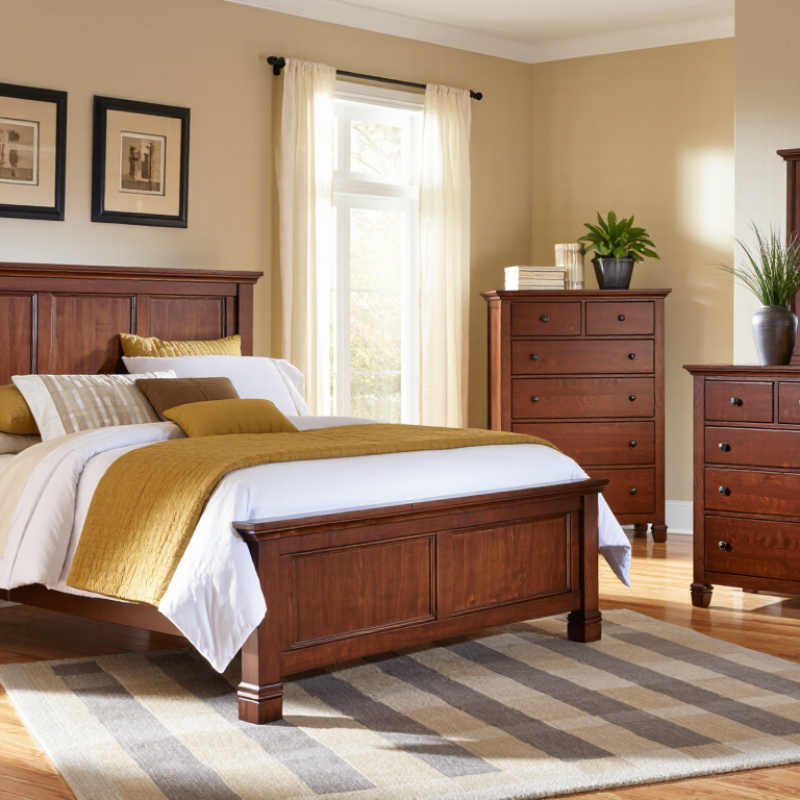
Bedroom furniture needs are shaped by room size, climate, household routines, and delivery access. A bed that fits a spacious suburban room may overwhelm a compact city apartment. Measure doorways, stair turns, and the space needed to open drawers before choosing a frame or wardrobe. Small details matter.
UN DESA’s World Urbanization Prospects: The 2018 Revision projects that 68% of the world’s population will live in urban areas by 2050. This does not predict bedroom sizes, but it signals why adaptable storage and space-saving layouts deserve attention in many markets. The International Energy Agency’s The Future of Cooling (2018) projects that global energy demand for space cooling could more than triple by 2050. In hot, humid regions, buyers may therefore favor raised bed frames, breathable materials, and finishes suited to local conditions. Check these choices against local user feedback; climate alone is not enough.
Household habits matter, too. Some buyers need twin beds for children or guests, while others prioritize a larger mattress and enclosed storage. Confirm local mattress dimensions rather than assuming standard sizes match. Ask suppliers about assembly, replacement hardware, packaging, and spare-part availability. One caveat: global reports describe broad trends, not the needs of every household. A sensible specification can still miss the mark.

Defining Bedroom Furniture Needs Across Different Markets
Common larger double mattress footprints by market, shown in centimetres. Sizes are representative market conventions; exact dimensions can vary by country, retailer, and product.
Before choosing a bed or wardrobe, measure the room’s length and width, then note alcoves, columns, radiators, and window positions. Record measurements in one unit, and confirm furniture dimensions use the same system; a small conversion error can spoil a tight fit. Measure doorways, stair turns, and elevator openings too. Measure twice.
Sketch the room on paper, marking doors and their swing paths. Leave a clear route from the bed to the door, and check that drawers can open without hitting another piece. A tape outline on the floor can reveal awkward corners before delivery. For example, a bedside table may fit beside the bed but block a wardrobe door when both are open. Check outlet locations before settling on a layout, especially if lamps or charging devices will sit near the bed. These clearances are practical starting points, not guarantees; mobility needs and local room shapes vary. I have found that a neat sketch can still miss how crowded a space feels, so leave a little extra breathing room where possible.
| Tip | What to Measure or Plan | Practical Planning Guideline | Buyer’s Check |
|---|---|---|---|
| 1. Measure the room accurately | Record the length and width of the room, plus the ceiling height. Measure in more than one place if walls are uneven. | Use the smallest usable wall-to-wall measurements when checking whether furniture will fit. | Note dimensions in centimeters or inches, and label each measurement clearly. |
| 2. Map doors and windows | Measure door and window widths, their positions, sill heights, and the direction each door opens. | Keep windows, handles, radiators, and door swings clear of furniture and drawers. | Mark fixed features on a simple floor plan before comparing product dimensions. |
| 3. Check the delivery route | Measure the entrance door, hallways, stairs, elevator, and any tight turns between the delivery point and bedroom. | Compare the narrowest route measurement with the largest packed or assembled furniture dimension. | Ask whether the item can be delivered in sections or assembled in the room. |
| 4. Confirm the local mattress size | Check the mattress length and width used in the destination market, along with the bed frame’s internal dimensions. | Mattress naming and dimensions vary between countries; verify the actual measurements rather than relying on a size label. | Allow for the frame’s outer dimensions, headboard, footboard, and any projecting legs. |
| 5. Plan comfortable walkways | Measure the space around the bed and between major pieces of furniture. | As a practical planning target, allow about 60–90 cm for a main walking route where the room permits. | Use masking tape on the floor to test the planned furniture footprint and walking paths. |
| 6. Check bedside table access | Compare bedside table height and width with the bed and the space beside it. | A bedside surface near mattress height is often convenient; leave enough room to reach it without blocking the walkway. | Include the table’s drawer or cabinet opening in the floor-plan check. |
| 7. Allow for wardrobe doors and drawers | Measure the wardrobe depth and the clearance needed for hinged doors, sliding doors, or drawers. | Include the full opening area in the layout; hinged doors need room to swing, while sliding doors need clear access to the front. | Check that the wardrobe does not obstruct a doorway, window, or the route to the bed. |
| 8. Consider ceiling height and overhead space | Measure ceiling height and identify sloped ceilings, beams, ceiling fans, and light fixtures. | Confirm that tall wardrobes and headboards can be positioned and assembled without hitting overhead features. | Check the item’s assembled height as well as any height required to lift or tilt it during installation. |
| 9. Keep storage proportional to the room | Estimate how much clothing, bedding, and personal storage the room needs. | Choose storage that meets those needs without narrowing the main walking route or crowding the bed. | Compare usable internal storage dimensions, not only the furniture’s external width and height. |
| 10. Draw and recheck the layout | Place the bed, wardrobe, bedside tables, and other furniture on a scaled floor plan. | Check clearances, door swings, drawer openings, and access to windows before placing an order. | Furniture dimensions and room conditions differ; confirm the final layout with the exact product measurements. |
For global buyers, bedroom furniture durability starts beneath the finish. Solid wood can be repaired, but its performance depends on species, joinery, and moisture control. The USDA Forest Products Laboratory’s Wood Handbook explains how changing moisture conditions affect wood dimensions. Ask suppliers about kiln drying, panel thickness, and expected indoor humidity. A smooth edge is reassuring, but it cannot reveal a weak joint.
Tip: Inspect the bed’s center support, corner brackets, and screw holes. Prefer replaceable hardware and drawers with reinforced bottoms. For upholstered headboards, check fabric abrasion results and whether covers can be cleaned. Test drawers under load; they should glide without twisting. These small checks matter. They are easy to skip.
Durability also affects what happens at the end of a product’s life. The U.S. EPA’s 2018 Advancing Sustainable Materials Management report estimated that 12.1 million tons of furniture and furnishings entered the U.S. municipal waste stream that year. That figure is a reminder to favor repairable construction, not proof that every inexpensive piece will fail. Compare warranties carefully, since coverage may exclude finishes or normal wear. And be realistic: a heavy frame is not automatically a well-made one.
Planning your space
Bedroom furniture should fit the room and the way people use it. Measure wall space, ceiling height, doorways, and elevator interiors before ordering. Measure twice. A bed may fit on paper but block a wardrobe door or leave no path around the footboard. Check mattress dimensions carefully, since sizing names can differ between markets. For bedside tables, leave enough clearance for drawers to open fully. A simple floor plan with measurements can reveal awkward gaps early.
Style, quality & safety
Compare wood tones and fabric samples in daylight; online images can shift color noticeably. Look for sturdy joints, smooth edges, and drawers that move without sticking. For children’s rooms, ask about tip-over resistance and secure anchoring hardware. Confirm that finishes and materials meet applicable safety requirements in the destination market, and request current test documents when needed.
Standards vary. Do not assume one certificate covers every country or product type.
Packaging, assembly instructions, and replacement hardware also deserve attention, especially for overseas shipments. I might choose a lighter finish for a small room, though it can show marks sooner. That trade-off is easy to overlook.
Before choosing a bedroom furniture supplier, request clear specifications for each item: dimensions, materials, finish, assembly method, and carton size. Ask for recent product photos and a sample when practical. Photos are not proof. Check joints, drawer movement, and surface consistency; small flaws can become costly across a large order. Confirm production capacity and lead times in writing, and ask how defects or shortages are handled.
Shipping details deserve the same attention as product quality. Confirm whether the quote covers packing, inland transport, ocean or air freight, and delivery to your warehouse. Ask how bed frames, wardrobes, and mirrors are protected against moisture, impact, and shifting cartons. A low freight quote may exclude port handling or final delivery. Compare the full landed cost, not just the factory price. Allow room for error.
Import requirements depend on the destination and product materials. Verify tariff classification, duties, taxes, labeling rules, and required shipping documents with a qualified customs broker or local authority before paying a deposit. Keep invoices, packing lists, and transport records consistent. If wood components or finishes raise questions, request material declarations and check applicable local requirements. I would not rely on a supplier’s general assurance alone; rules and paperwork can change, and even careful buyers sometimes miss a detail.