How to Choose the Best Bedroom Furniture for Your Home?
Choosing the right bedroom furniture is crucial for creating a comfortable and stylish space. Renowned interior designer, Sarah Thompson, emphasizes, "Your bedroom should be a sanctuary, not just another room." This insight highlights the importance of selecting furniture that reflects both personal style and functional needs.
When choosing bedroom furniture, consider elements like size, material, and design. A well-proportioned bed can transform a room. However, clutter can detract from its beauty. It is essential to create balance with pieces that fit well in your space. Selecting the wrong items might lead to frustration, affecting the overall harmony of your bedroom.
Remember that bedroom furniture should be reflective of your lifestyle. Think about your daily routines and comfort preferences. Some might enjoy a minimalistic approach, while others may prefer vibrant pieces. These choices can greatly impact your overall well-being. Reflecting on your needs will guide you in crafting a personal retreat.

Understanding Your Bedroom Space and Layout
Understanding your bedroom space is crucial to selecting the best furniture. Start by measuring your room, noting any architectural details. These measurements guide you in choosing sizes that fit well. Consider the layout of windows and doors. You want to maintain flow and accessibility in the space.
Think about the furniture arrangement. A bed typically takes center stage, so position it first. Leave space on both sides of the bed for nightstands or lamps. Think about other pieces you want, such as a dresser or a chair. They should complement the layout, not overwhelm it. Remember, it’s important to create a balanced look.
While aesthetics matter, functionality is key. Ask yourself: will I use this piece daily? Is it easy to clean around? Reflect on your lifestyle. Minimalist designs often require fewer pieces, which can enhance space. Sometimes, you may realize that less is more. Adjust your vision based on what feels comfortable in the real space.
Identifying Your Furniture Needs and Priorities
When choosing bedroom furniture, understanding your needs is crucial. Start by assessing the space available. According to recent reports from the Home Furnishings Association, over 70% of homeowners feel their bedroom does not have enough storage. Prioritize furniture that provides practical solutions, such as beds with under-bed storage or multi-functional nightstands.
Consider your personal style and comfort. A National Sleep Foundation survey found that 30% of people experienced sleep issues due to poor mattress quality. Selecting the right mattress can significantly affect your overall well-being. Also, think about the emotional impact of your choices. A cohesive design can create a calming environment, reducing stress levels in your home.
Budget is another critical factor. Experts suggest allocating 15% of your home's value to furniture. However, many buyers spend less than expected, often leading to compromises. Reflecting on your furniture choices is essential; it can improve both functionality and aesthetics. Don't rush the process. Take your time to ensure that each piece you choose truly aligns with your vision and lifestyle.
Choosing the Right Style and Design for Your Bedroom
Choosing the right style and design for your bedroom is essential. Your bedroom is your personal sanctuary. It should reflect your tastes and provide comfort. Think about colors, materials, and shapes. Decide if you prefer modern minimalism or classic elegance.
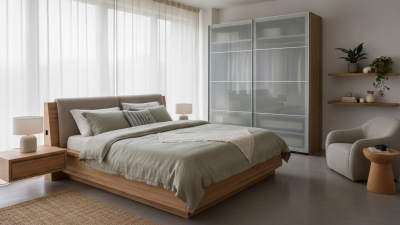
Consider how every piece contributes to the overall feel. A sleek platform bed might suit a contemporary theme, while a vintage dresser can add character. Layer your textiles for depth; mix textures like cotton and velvet. This creates a tactile environment that feels inviting. You might prefer soft hues for tranquility or bold shades for energy.
Don’t overlook functionality. A beautiful nightstand is great, but ensure it meets your needs too. Ask yourself questions during the selection. Do you need extra storage? Is there enough light for reading? Reflecting on these aspects enhances the balance between style and utility. Create spaces that inspire rest and reflection.
Selecting Quality Materials and Construction for Durability
When choosing bedroom furniture, the materials and construction quality play a vital role. Quality materials ensure durability and longevity. Solid wood is often preferred due to its strength and timeless appeal. Plywood and engineered wood can still offer quality but may not have the same lifespan. Avoid materials that feel flimsy or have poor finishes.
In addition to materials, construction techniques matter. Dovetail joints in drawers add strength, while mortise-and-tenon joints provide stability. Check the weight of the furniture; heavier pieces often indicate quality. Hardware, such as hinges and drawer slides, should be robust and functional. Take time to inspect the furniture closely before buying.
Reflecting on personal style and room function is crucial too. Furniture should enhance the space while being practical. Sometimes, budget constraints can lead to hasty decisions. Choosing cheaper options may seem tempting but can compromise durability. Prioritize what really matters in your selection process, focusing on quality and suitability for your home.
Budgeting and Planning for Your Bedroom Furniture Purchase
Budgeting for bedroom furniture can feel overwhelming. Start by determining how much you can afford to spend. Consider costs like delivery fees and assembly. It’s a good idea to set a limit, which will narrow down your options.
Research is key in this process. Look at various furniture styles and materials. Prioritize what you need versus what you want. It’s easy to get tempted by beautiful pieces. However, ensure they fit within your budget and lifestyle. Measure your space to avoid purchasing items that are too large or too small. Sometimes, popular trends may not suit your home’s layout.
Plan for long-term investments. Quality furniture can be more expensive, but it often lasts longer. Balance your budget by mixing higher-end pieces with more affordable ones. Reflect on your choices. Are you investing in items that truly reflect your style? Remember, the goal is a comfortable and functional space that feels like home.
How to Choose the Best Bedroom Furniture for Your Home?
| Furniture Type |
Material |
Average Price ($) |
Durability (Years) |
Style |
| Bed Frame |
Wood |
500 |
10-15 |
Modern |
| Mattress |
Memory Foam |
800 |
7-10 |
Contemporary |
| Nightstand |
Metal |
250 |
5-7 |
Industrial |
| Dresser |
Particle Board |
400 |
8-12 |
Traditional |
| Wardrobe |
Solid Wood |
1000 |
15-20 |
Rustic |