China Top Bedroom Furniture Trends for Global Buyers?
The global bedroom furniture market is evolving rapidly, reflecting changing tastes and lifestyles. According to furniture industry expert Dr. Emily Chen, "The key to successful bedroom furniture design lies in understanding consumer needs." Her insights highlight the importance of creating pieces that blend functionality with aesthetic appeal.
In recent years, trends have shifted towards sustainable materials and minimalist designs. Consumers are increasingly looking for furniture that not only enhances their space but also reduces their environmental footprint. This trend is evident in the rising popularity of bamboo and reclaimed wood furniture.
However, while these trends offer exciting opportunities for global buyers, there are challenges. Not every manufacturer prioritizes quality alongside sustainability. Therefore, buyers must scrutinize materials and craftsmanship to avoid disappointing purchases. Embracing these trends requires careful consideration, ensuring that the final selection truly reflects both personal style and practicality in bedroom furniture.
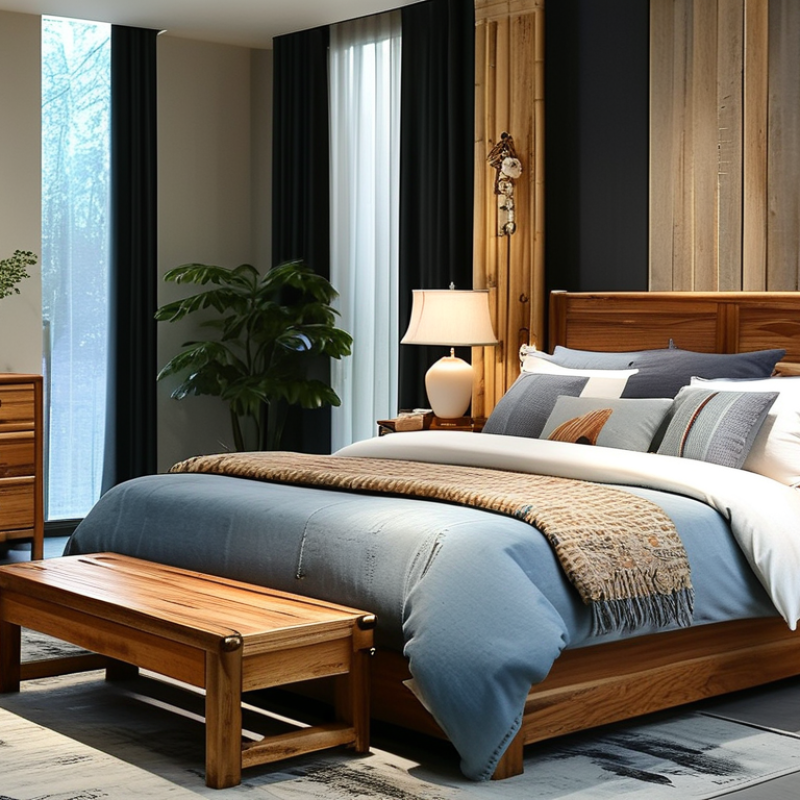
China Bedroom Furniture Market Overview and Trends
The Chinese bedroom furniture market is experiencing significant growth. According to industry reports, it is projected to reach a valuation of over $65 billion by 2025. This booming sector is driven by rising disposable incomes and evolving consumer preferences. More buyers are seeking stylish and multifunctional furniture that caters to modern lifestyles.
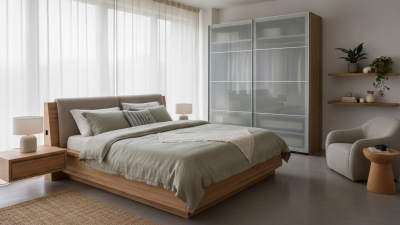
Recent trends indicate a move toward sustainable materials. A survey showed that 45% of consumers prioritize eco-friendly options. Additionally, minimalistic designs have gained popularity, reflecting the desire for simplicity and order. Upholstered beds and floating nightstands are becoming staples in contemporary homes.
However, quality control remains a challenge. Many manufacturers struggle with consistency in production standards. Consumers often report variations in finish and durability. Addressing these quality concerns is crucial for maintaining buyer trust. Without improvement, the market may face backlash. The dynamics of this sector demonstrate both opportunities and hurdles for global stakeholders.
China Bedroom Furniture Trends for Global Buyers
Key Design Influences Shaping Bedroom Furniture in China
In China, the bedroom furniture market is evolving rapidly, driven by significant cultural shifts and lifestyle changes. Recent data indicates that around 35% of consumers prioritize multifunctional furniture. This trend reflects the compact living spaces prevalent in urban areas. Furniture that offers storage solutions is increasingly in demand. Chinese buyers are looking for designs that maximize space while maintaining aesthetic appeal.
Sustainability is another key influence shaping bedroom furniture design. A survey by the China National Furniture Association revealed that 62% of consumers now prefer eco-friendly materials. This shift signifies a growing awareness of environmental issues. Many manufacturers are exploring natural wood and recycled materials. However, the challenge remains in balancing sustainability with cost-effectiveness.
Moreover, a rise in online shopping is affecting design choices. Online platforms allow for greater exposure to global trends. However, the reliance on digital marketing can sometimes lead to a homogenization of styles. This means that unique local designs can be overshadowed. Consumers want originality but often struggle to find it among mass-produced options. The interplay of these influences marks a complex landscape in the Chinese bedroom furniture market.
Popular Materials and Finishes in Chinese Bedroom Furniture
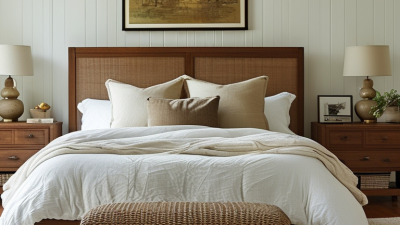
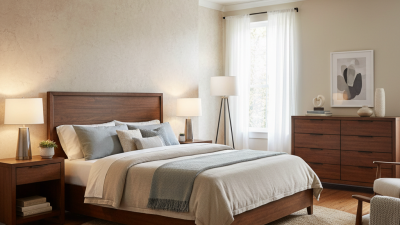
The Chinese bedroom furniture market showcases a fascinating array of materials and finishes, catering to diverse global tastes. Recent industry reports indicate that nearly 70% of consumers prefer solid wood over engineered alternatives. Solid wood exudes elegance and durability, often crafted from types like oak and walnut. These materials not only elevate aesthetic appeal but also ensure longevity in usage.
In terms of finishes, natural and matte options are gaining traction. Around 60% of buyers opt for finishes that emphasize the wood’s grain. This preference reflects a growing trend towards minimalistic designs. Additionally, environmental concerns drive the popularity of eco-friendly finishes. Water-based lacquers, with lower VOC emissions, are becoming increasingly sought after. These choices illustrate a shift towards sustainability in consumer decision-making.
However, challenges persist in balancing aesthetics with practicality. Many manufacturers struggle to maintain uniform quality. Fluctuations in raw material availability also impact final product offerings. As the market evolves, continuous innovation and adaptation will be crucial for success in meeting consumer demands. The ongoing evolution of materials and finishes reveals both opportunities and areas for improvement in the Chinese bedroom furniture industry.
Top Functional Features Desired by Global Buyers
In recent years, global buyers have shown a keen interest in certain functional features of bedroom furniture. According to a recent industry report by Statista, 70% of consumers prioritize versatility in their furniture selection. Multi-functional designs are favored, particularly for smaller living spaces. Buyers are increasingly looking for beds with built-in storage, which allows for better organization and maximizes space efficiency.
Safety is another significant concern among global consumers. A study from the American Home Furnishings Alliance revealed that over 55% of buyers prioritize safety features. This includes rounded edges and durable materials to reduce the risk of injury. Additionally, the trend towards sustainability is hard to ignore. A staggering 80% of buyers prefer furniture made from eco-friendly materials. This reflects a growing awareness of environmental issues.
However, not all features align with every buyer's needs. Some consumers find it difficult to balance aesthetics with functionality. They often face challenges in selecting pieces that fit their personal style while still being versatile. Moreover, the demand for tech integration poses another dilemma. While smart furniture is on the rise, a segment of buyers still values traditional designs. Bridging these gaps remains a challenge for manufacturers in the competitive landscape of bedroom furniture.
Sustainability Practices in China's Bedroom Furniture Industry
Sustainability is becoming a vital focus in China's bedroom furniture industry. Manufacturers are increasingly adopting eco-friendly materials. Bamboo, reclaimed wood, and non-toxic finishes are gaining popularity. These materials not only reduce environmental impact but also provide unique aesthetic qualities. Consumers are more aware than ever of their choices, demanding products that align with their values.
However, the journey isn't perfect. Some companies still struggle with transparency in their sourcing practices. Environmental certifications can be confusing and sometimes misleading. This complexity makes it hard for buyers to trust claims made by manufacturers. Ensuring that products are sustainably sourced requires rigorous protocols and a commitment to ethical practices.
Innovation plays a crucial role in advancing sustainability. Companies are exploring new technologies to reduce waste and energy consumption. Upcycling old furniture into new designs is one method being embraced. This not only lessens landfill waste but also creates distinctive pieces. The path toward a fully sustainable industry is not straightforward, but it's a journey worth taking. As global buyers continue to prioritize sustainability, the pressure on manufacturers in China to improve their practices will only increase.