10 Best Bedroom Furniture Manufacturers for Global Buyers
Choosing bedroom furniture for international projects requires more than attractive photographs. Buyers need dependable manufacturers, consistent quality, clear specifications, and practical shipping support. This guide examines ten established Bedroom Furniture manufacturers serving global buyers, with attention to materials, construction, design flexibility, production capacity, and communication.
A reliable supplier should explain its timber sources, panel grades, finishes, hardware, packaging, and inspection process. Look closely at details. Drawer joints. Edge finishing. Bed-frame support. These small features often determine whether furniture remains stable after years of daily use. Factory experience also matters, especially when projects require coordinated beds, wardrobes, nightstands, and dressers.
David Hicks, a respected British interior designer, once said, “The best rooms have something to say about the people who live in them.” His observation remains useful for Bedroom Furniture buyers. A bedroom should feel personal, yet it must also meet practical expectations for comfort, safety, durability, and maintenance. Global purchasing adds another layer, including lead times, documentation, packaging standards, and after-sales responsiveness.
No manufacturer is perfect. Even a strong factory may have limited customization or occasional communication gaps. That deserves honest consideration. Product samples can look excellent while production results vary if quality controls are weak. Therefore, this selection focuses on verifiable capabilities rather than marketing language alone. It is designed to help importers, hospitality buyers, retailers, and project developers compare options more carefully. The best choice may not be the cheapest one. It is usually the supplier that delivers suitable design, stable quality, transparent service, and realistic commitments.
Defining the Criteria for Evaluating Bedroom Furniture Manufacturers
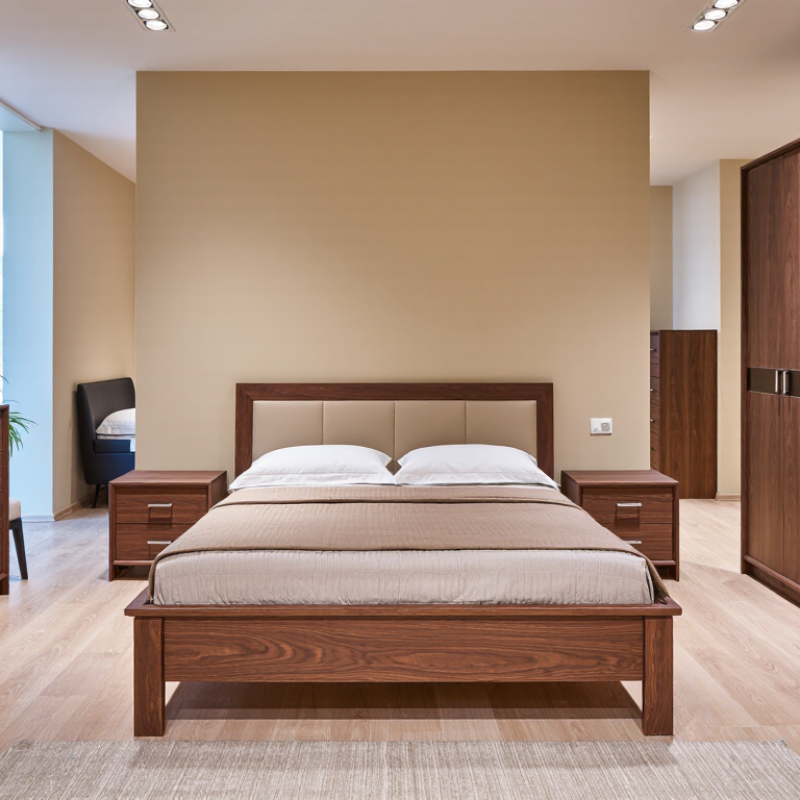
When evaluating bedroom furniture manufacturers, begin with construction quality, not attractive catalog photos. Inspect samples for joint strength, smooth drawer movement, stable frames, and accurate dimensions. Solid wood, engineered panels, and metal fittings should match the product specification. Ask for material testing, moisture control records, and safety documentation. Reliable manufacturers can explain these details clearly.
Production capability matters for global buyers. Review factory capacity, quality-control checkpoints, packaging methods, and documented lead times. A responsible supplier provides pre-shipment inspection options and responds to defects with a written corrective plan. Check how the factory protects upholstered headboards from dust, crushed corners, and humidity during transport. Trade references can help, but they are not perfect. A small trial order often reveals more than a polished presentation.
Tips: Request a physical sample before large-volume purchasing. Compare the sample with the approved drawing and finish standard. Measure carton strength and photograph every inspection point. Confirm warranty terms, replacement procedures, and communication responsibilities in writing. Be cautious when promises sound unusually easy. Competence is usually visible in records, consistency, and honest answers.
Leading Bedroom Furniture Manufacturers for International Buyers
International buyers need more than attractive bedroom sets. They need manufacturers with repeatable quality, export experience, and clear documentation. Leading bedroom furniture manufacturers usually provide factory audits, material traceability, product testing, and stable container-loading procedures. The World Bank’s 2023 Logistics Performance Index assessed 139 economies across customs, infrastructure, and delivery reliability. These factors directly affect sourcing decisions. A supplier may offer a low price, yet weak packaging can turn a profitable order into damaged wardrobes and delayed retail launches.
Experienced manufacturers should explain timber moisture control, panel density, hardware cycles, and formaldehyde testing. Buyers can request inspection records before production and independent checks before shipment. For upholstered beds, ask about foam density, seam strength, and fabric abrasion results. Small details matter. UNCTAD’s Review of Maritime Transport 2024 confirms that over 80% of global merchandise trade by volume moves by sea. Therefore, carton strength, pallet stability, and moisture protection deserve serious attention. I have seen specifications look impressive while the packaging plan remained vague. That gap needs questioning.
Tips: Compare at least three factories using the same specification sheet. Request a pilot order, not only product photographs. Check certificates, test dates, and factory addresses carefully. Confirm incoterms, lead times, replacement policies, and spare hardware before signing. A strong manufacturer welcomes these questions. An unclear answer is useful information too.
10 Best Bedroom Furniture Manufacturers for Global Buyers - Leading Bedroom Furniture Manufacturers for International Buyers
| Rank |
Manufacturer Profile |
Manufacturing Region |
Core Bedroom Products |
Typical MOQ |
Typical Lead Time |
Common Export Markets |
Customization |
Best Fit |
| 1 |
Manufacturer Profile A |
Eastern China |
Panel beds, wardrobes, nightstands, dressers |
50–100 units |
30–60 days |
North America, Europe, Middle East |
High |
Retail and e-commerce |
| 2 |
Manufacturer Profile B |
Central Vietnam |
Solid-wood beds, storage beds, bedside tables |
30–80 units |
45–75 days |
United States, Australia, Europe |
High |
Premium wood collections |
| 3 |
Manufacturer Profile C |
Northern India |
Wooden beds, carved furniture, chests, cabinets |
20–60 units |
45–90 days |
Europe, North America, Gulf countries |
High |
Craft and solid-wood styles |
| 4 |
Manufacturer Profile D |
Poland and Eastern Europe |
Flat-pack bedrooms, wardrobes, chests, dressers |
100–300 units |
35–65 days |
European Union, United Kingdom |
Medium |
European retail chains |
| 5 |
Manufacturer Profile E |
Turkey |
Upholstered beds, bedroom sets, wardrobes |
50–150 units |
35–70 days |
Europe, North Africa, Middle East |
Medium–High |
Contemporary bedroom ranges |
| 6 |
Manufacturer Profile F |
Malaysia |
Rubberwood beds, bedroom sets, occasional furniture |
50–120 units |
40–75 days |
North America, Australia, Asia-Pacific |
Medium |
Value-oriented wood furniture |
| 7 |
Manufacturer Profile G |
Indonesia |
Teak and mixed-wood beds, nightstands, cabinets |
20–80 units |
50–90 days |
Europe, United States, Australia |
High |
Natural and rustic designs |
| 8 |
Manufacturer Profile H |
Mexico |
Wood and engineered-wood beds, dressers, nightstands |
50–150 units |
30–60 days |
United States, Canada, Latin America |
Medium |
Nearshore supply programs |
| 9 |
Manufacturer Profile I |
Portugal and Southern Europe |
Painted bedroom furniture, wardrobes, bedside units |
80–200 units |
40–70 days |
European Union, United Kingdom, North Africa |
Medium |
Design-led collections |
| 10 |
Manufacturer Profile J |
United States and Canada |
Solid-wood beds, custom case goods, bedroom suites |
10–50 units |
30–75 days |
North America and selected overseas markets |
Very High |
Custom and contract projects |
Note: MOQ, lead time, customization scope, and export coverage are indicative industry ranges for anonymized manufacturer profiles. Buyers should confirm current specifications, certifications, packaging standards, and shipping terms directly before placing an order.
Product Categories and Customization Options to Compare
Global buyers should compare bedroom furniture manufacturers by product range, not catalog appearance alone. Core categories include platform beds, upholstered beds, nightstands, dressers, wardrobes, chests, and storage benches. CSIL’s World Furniture Outlook 2024 estimates global furniture consumption at more than US$1.5 trillion. That scale creates many choices, but quality varies sharply. Ask for material specifications, load tests, assembly drawings, and carton dimensions. A beautiful image proves very little.
Customization deserves closer attention. Compare standard sizes with made-to-order dimensions, especially for compact apartments and hospitality projects. Check options for wood species, engineered panels, veneer, paint, fabric, metal hardware, drawer systems, lighting, and cable management. Ask whether the manufacturer supports OEM, ODM, flat-pack, or knock-down production. Shipment planning also matters. Request moisture standards, packaging tests, replacement-part policies, and realistic lead times. The International Trade Centre reports that furniture supply chains remain highly trade-dependent, so port delays and material changes can affect delivery. I would not trust a low quote without a detailed bill of materials.
Tips: Build a comparison sheet with six columns: category, material, customization, certification, packaging, and warranty. Request one physical sample before placing a large order. Photograph joints, drawer alignment, edge finishing, and fabric stitching. Small flaws become expensive across hundreds of units. Also, confirm whether “solid wood” applies to the entire product or only its visible frame. This detail is easy to miss.