Leave Your Message

What Are the Top LED Lights for Entertainment Centers?

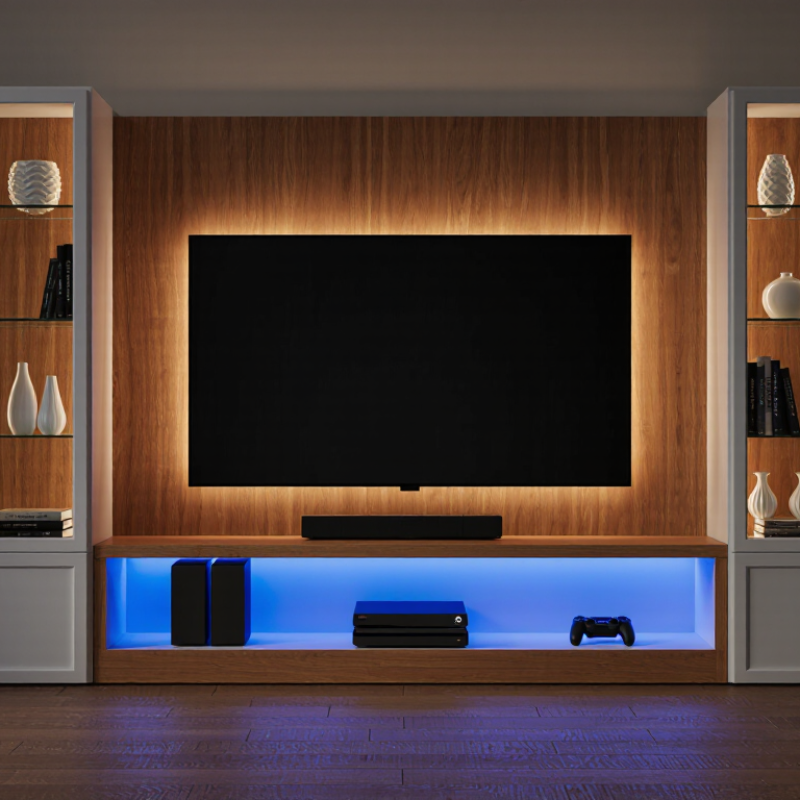
Choosing Led Lights Entertainment Center lighting is about more than making a screen glow. The right setup can reduce glare, add depth to a dark room, and make shelves easier to see. Think of a warm strip behind a television, a soft wash across a display cabinet, or focused light on a game console. Small choices matter. So does restraint; too much brightness can compete with the screen.

The U.S. Department of Energy’s Energy Saver guidance reports that LEDs use at least 75% less energy and can last up to 25 times longer than incandescent bulbs. That makes efficiency and service life useful starting points, not the whole decision. Color accuracy, dimming range, heat management, and control compatibility also deserve attention. For a research-based perspective, lighting researcher Dr. Mariana Figueiro’s work highlights light’s role in synchronizing the body’s circadian system. Her research is a reminder that lighting affects people, not just décor. This is a paraphrase, not a direct quotation.

This guide compares LED strips, bars, and smart fixtures for entertainment spaces, with practical notes on placement and setup. It also considers a common trade-off: vivid colors look striking, but neutral white light may show finishes more faithfully. There is no single best choice. Room size, viewing habits, and budget change the answer. We’ll look at what works—and where the evidence or product claims deserve a closer look.
What Are the Top LED Lights for Entertainment Centers?

LED Light Types Commonly Used in Entertainment Centers

Entertainment centers use several LED formats, each suited to a different lighting task. Flexible LED strips fit behind televisions, along cabinet backs, or beneath floating shelves. They create a gentle halo without shining directly into viewers’ eyes. Slim linear bars provide more even light across shelves. Small puck lights can highlight collectibles, but bright spots may reflect on glass. Subtle differences matter.

Warm-white LEDs create a relaxed evening feel, while tunable-white options shift between warmer and cooler tones. RGB strips add changing colors for games or movie scenes; RGBW versions also include a dedicated white LED for clearer everyday lighting. Look for dimming control and a stated color-rendering rating when displaying artwork or objects with distinct colors. A tidy layout can still feel too bright, so test the lights at viewing height before fixing them in place.

Tips: Hide strips behind a lip or diffuser to soften visible dots. Keep power supplies ventilated, and check that cables reach outlets without crossing walkways. Start dim; increase brightness only if needed.
Key Features for Comparing Entertainment Center LED Lights

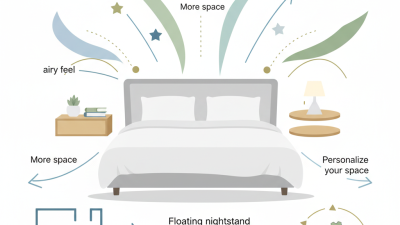
Compare entertainment-center LEDs by light quality, control, fit, and safety—not brightness alone. The U.S. Department of Energy’s Energy Saver guidance reports that LEDs use at least 75% less energy than incandescent lighting. It also notes lifespans up to 25 times longer. These are broad comparisons, not guarantees for every strip. Check the color rendering index (CRI) before lighting wooden shelves, game cases, or album jackets. A CRI of 90 or higher can help colors appear more natural, though wall color still affects the result. Choose a warm 2700–3000 K tone for a relaxed viewing area, or a cooler setting for a sharper display. Fit matters.

Compare dimming compatibility, power use, and strip length before buying. ENERGY STAR’s LED lighting guidance reports energy savings of up to 90% versus traditional incandescent bulbs; actual savings depend on the product and use. Check that the controller matches the light’s voltage and that dimming does not introduce visible flicker. For glass shelves, a diffuser can soften bright dots and reduce glare on screens. Inspect the adhesive and leave ventilation around power components. One caveat: specifications cannot fully predict how light will look against your furniture, so test a short section before installing the full run.

What Are the Top LED Lights for Entertainment Centers?

Key Feature: Color Temperature (CCT)

These representative correlated color temperatures show common white-light options, not a ranking of products. Warm white creates a cozy look, neutral white offers a balanced appearance, and cool white gives a crisp effect. Actual settings vary by light; also compare dimming, color rendering, control options, and installation method.

Best LED Lighting Options for Screens, Shelves, and Gaming Areas

For screens, choose dimmable LED bias lighting behind the display, not a bright strip facing the viewer. A soft halo can ease the contrast between a luminous screen and a dark wall. Keep the light out of the screen’s reflection path; glossy panels reveal mistakes quickly. The U.S. Department of Energy reports that residential LEDs use at least 75% less energy and can last up to 25 times longer than incandescent bulbs. That efficiency makes low-level, long-session lighting practical, though brightness still needs adjustment.

Shelves benefit from narrow LED bars or short strips tucked beneath each shelf lip. Diffused covers help prevent bright dots from reflecting on glass or polished collectibles. For accurate color, check the stated color-rendering index; a CRI of 90 or higher is a useful target for displaying artwork and game cases. In gaming areas, indirect strips behind a desk or along a wall add depth without shining into the player’s eyes. Keep cables secured and leave power supplies ventilated. Small detail. It matters.

A DOE lighting-market report also documents the shift toward LED use in U.S. buildings, supporting LEDs as an established, efficient option rather than a novelty. Still, more light is not always better. Some color-changing effects look vivid in photos but become tiring during play. Test the setup at night, seated at the screen, and lower the output until text and controls remain clear.

How Smart Controls and Power Needs Affect LED Light Choices

What Are the Top LED Lights for Entertainment Centers?

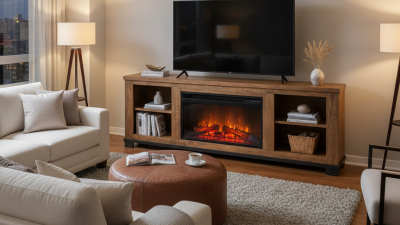
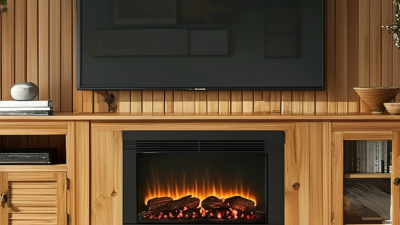
Entertainment centers usually work best with lighting that serves a clear purpose. LED strips can trace the back of a television or shelf, while small puck lights can brighten display cabinets. A soft bias light behind the screen may ease the contrast between a bright picture and a dark room. Keep LEDs out of direct sight when possible. Visible dots can distract from the screen.

Smart controls make these lights easier to adjust for different activities. Dimming and warm-to-cool color settings can suit movie nights, gaming, or cleaning. Check that the controller, light strip, and power supply use compatible voltage and connections. Voice or app control is convenient, but a physical switch still matters when Wi-Fi is unreliable. Small detail. Test the controls before mounting the lights; reaching behind a full cabinet is awkward.

Power needs deserve equal attention. Add up the wattage of every connected strip or fixture, then choose a power supply with some spare capacity. Long strips may look dimmer near the far end, so shorter runs or separate power feeds can help. Follow the product’s installation guidance, and avoid enclosing a power supply where heat cannot escape. It is tempting to buy the brightest option, but more light is not always better. Check the setup in a dim room before settling on placement; the first layout may need adjustment.

Choosing LED Lights for Different Room Layouts and Uses

What Are the Top LED Lights for Entertainment Centers?

Choosing LED Lights for Different Room Layouts and Uses

A compact media room needs soft, controlled light. Place dimmable LED strips behind the screen to reduce the stark contrast between a bright display and dark walls. Keep strips hidden from seated viewers; visible dots can distract during quiet scenes. In an open-plan living room, use separate lighting zones: warm ceiling or shelf lights for conversation, with lower output near the television. A narrow entertainment center may need only a short strip beneath each shelf, not a full outline.

For gaming or movie nights, adjustable white light is often more useful than constant color effects. Choose a setting that avoids reflections on glossy screens and glass cabinet doors. In a reading or hobby area, add a directional lamp rather than relying on decorative LEDs for task lighting. The U.S. Department of Energy’s Energy Saver guidance reports that LEDs use at least 75% less energy and can last up to 25 times longer than incandescent lighting. Actual savings depend on use and installation. Glare ruins the effect.

Tips: Check the room from the sofa before fixing strips in place. Keep controls within reach, and test brightness at night. A layout can look tidy in daylight but feel too bright after dark. That part is easy to overlook.

What Are the Top LED Lights for Entertainment Centers? — Choosing LED Lights for Different Room Layouts and Uses

Room Layout or Use Recommended LED Light Type Suggested Placement Color and Brightness Guidance Useful Features Why It Works
TV viewing in a compact living room Dimmable bias-light strip Behind the TV, following the upper and side edges; keep the strip out of direct view. For neutral viewing, choose a fixed white near 6500 K. Start at low brightness and adjust to the room. Even light output, dimming, and a diffuser or concealed mounting channel. A soft glow behind the screen can reduce the contrast between a bright display and a dark wall without shining into viewers’ eyes.
Large media room with a wide TV or projector screen High-density white LED strip or diffused linear lighting Behind the display or along a rear wall; avoid placing bright fixtures in the screen’s field of view. Use neutral-to-cool white for a restrained viewing glow. Keep output adjustable for dark scenes. Uniform light distribution, low glare, and separate dimming from general room lights. Longer, continuous light sources help create a more even background glow across a wide viewing area.
Entertainment center with open shelves Low-profile LED strip or small LED puck lights Under shelf lips, inside shelf recesses, or at the rear of display cubbies. Warm white around 2700–3000 K for a cozy look; select dimmable output to prevent glare on glossy objects. Diffusers, concealed wiring, and separate control for display lighting. Concealed shelf lighting highlights equipment and decor while keeping individual LEDs less visible.
Gaming setup or colorful movie ambience RGB or RGBW LED strip Behind the monitor or TV, along desk edges, or beneath shelving. Choose adjustable color and brightness. Use a dim setting during screen viewing to limit distraction. Preset scenes, smooth dimming, and the option to select white light where available. Color-changing light offers flexible accent effects for gaming and casual viewing; RGBW models can provide a dedicated white channel.
Entertainment center in a shared living room Dimmable warm-white LED strip or wall-wash lighting Behind the TV console, beneath the console, or aimed at a nearby wall. Warm white around 2700–3000 K for a relaxed atmosphere; use lower levels when watching a screen. Independent dimming, a simple remote or wall control, and a low-profile installation. Separate controls make it easier to switch between ambient room lighting and a softer viewing setup.
Wall-mounted TV with a visible cable area Low-voltage LED strip in a concealed channel Behind the display or along the rear edge of the mounting area, with wiring routed safely and neatly. Choose a consistent white tone or adjustable RGBW light; avoid excessive brightness around the screen. Diffuser channel, accessible power connection, and a controller compatible with the installation. A channel can conceal the strip and soften individual light points, while careful cable routing keeps the installation tidy.
Home theater with minimal ambient light Very low-output, dimmable white LED strip Behind the screen or along low-level pathways away from the projected image. Keep the light subtle and adjustable; avoid lighting surfaces that reflect onto the screen. Fine dimming control, indirect placement, and a separate on/off control. Low-level indirect lighting can provide orientation without washing out a dark image.
Selection note: LED brightness and color appearance vary by product and installation. Check the light output, color temperature, dimmer compatibility, power requirements, and mounting instructions for the specific setup. Keep strips and power supplies ventilated, and follow the manufacturer’s electrical and safety guidance.