Best Night Stand Side Tables for Global Buyers?
When exploring the landscape of Night Stand Side Tables, one must consider various factors. Renowned interior designer Emma Craven notes, "A nightstand is more than a simple table; it reflects our style." This statement encapsulates the essence of why these tables matter to global buyers.
Night Stand Side Tables serve as key elements of bedroom design. They provide not only functionality but also a chance for personalized expression. From classic wood finishes to modern minimalist designs, these tables come in many styles. Thoughtful choices can enhance a room’s ambiance. However, the overwhelming options can lead to uncertainty. Buyers may overlook crucial features like height, drawer space, or material choice.
In a world filled with choices, it’s easy to get lost in trends. But practical needs should guide decisions. A well-selected nightstand blends utility with aesthetic appeal. Reflecting on one’s unique preferences can make the selection process fulfilling. Ultimately, Night Stand Side Tables are more than furniture; they shape our personal spaces.
Top Features to Consider in Night Stand Side Tables
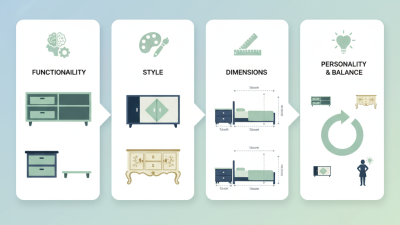
When choosing a nightstand side table, several features stand out as vital. Consider the height and size, which should complement your bed's height. A nightstand that is too tall or too short can disrupt the harmony of your bedroom space. Seek tables with adequate surface area for essentials like lamps and books.
Storage is another important factor. Drawers or shelves provide convenient places for items like reading glasses or medication. This organization helps maintain a tidy room and makes life easier at night. However, not all tables offer sufficient depth. Measure your space carefully and consider what you'll store.
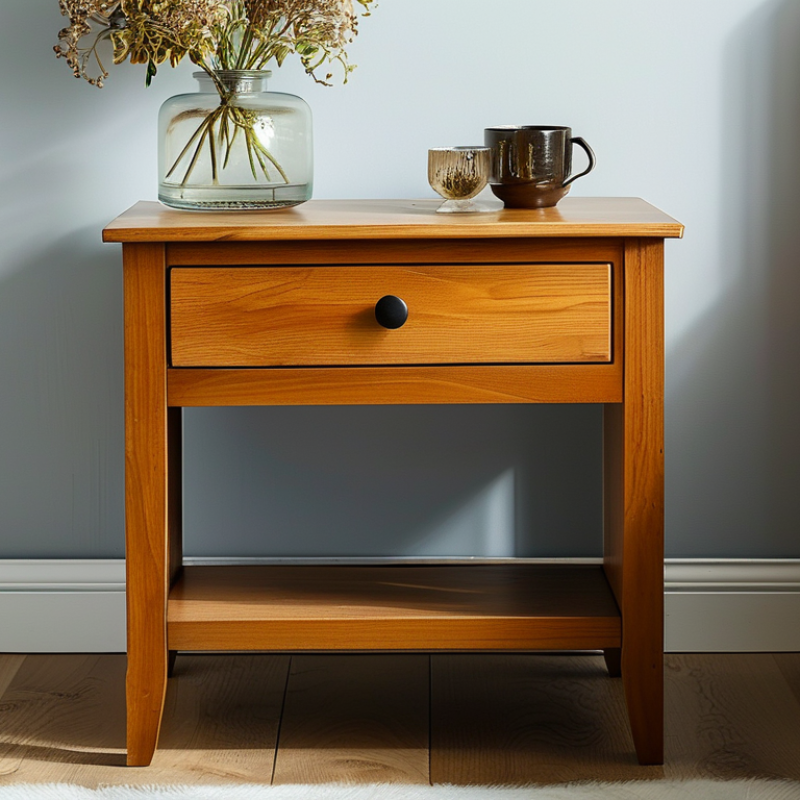
Material is crucial for durability and style. Wood offers classic charm and sturdiness, while metal or glass can add a modern touch. Examine finishes. A poorly finished surface can chip over time, detracting from the overall look. Be wary of overly polished surfaces that may wear quickly. Remember, a nightstand is not just functional; it should reflect your personal style. Finding that perfect balance can be challenging, but it’s worth the effort.
Popular Materials Used for Night Stand Side Tables
When considering night stand side tables, the choice of materials significantly influences aesthetics and functionality. Solid wood is a popular option, known for its durability and natural appeal. It brings warmth to any space, making it a favorite among many homeowners. However, wood can warp or scratch, requiring regular maintenance.
Metal offers a modern twist. Its sleek finish complements contemporary décor well. Metal tables are typically resistant to wear and tear, but they can be cold to the touch and less inviting in a cozy bedroom setting. Glass is another choice that creates an open, spacious feel. It can make smaller rooms appear larger. Yet, it’s likely to show fingerprints and dirt easily, demanding frequent cleaning.
For those exploring eco-friendly options, bamboo is gaining traction. This sustainable material is lightweight yet sturdy. It offers a natural look and is generally less expensive than hardwood. Still, buyers should consider its susceptibility to scratches. Each material has its charm and challenges, urging consumers to reflect on their personal style and lifestyle before making a decision. Choices should align with both aesthetics and everyday practicality.
Popular Materials Used for Night Stand Side Tables
Design Styles of Night Stand Side Tables for Different Bedrooms
When selecting nightstand side tables, design styles play a pivotal role in creating a cohesive bedroom ambiance. A recent report from the American Society of Interior Designers highlights that 38% of homeowners emphasize the importance of functionality paired with aesthetic appeal. Popular styles like modern, rustic, and mid-century are trending. Each offers unique features that cater to varied preferences.
Modern designs often showcase sleek lines and minimalist aesthetics. They commonly incorporate materials like metal and glass, reflecting a clean, airy vibe.
In contrast, rustic tables tend to favor warm woods and distressed finishes, fostering an inviting environment. Mid-century options, with their elegant curves and vibrant colors, invite a sense of nostalgia.
However, buyers should consider practical aspects, such as size and storage. A table that is too bulky can overwhelm a small room. Conversely, a tiny table may lack sufficient surface area. It’s essential to strike a balance between style and practicality. An ideal choice ensures that the nightstand enhances the room's design while meeting everyday needs.
Building a bedroom space that feels right can be a complex task. Understanding the nuances of design styles can help buyers make informed decisions, but it may involve trial and error along the way.
Budget-Friendly Night Stand Side Table Options for Every Buyer
When looking for budget-friendly nightstand side tables, design and functionality are crucial. Many options cater to different styles without breaking the bank. Data shows that the average price for a decent nightstand often ranges between $50 to $150. In this price range, buyers can find options made from sturdy materials that enhance both aesthetics and utility.
A recent report by the National Home Furnishings Association indicated a rising demand for affordable yet stylish furniture. The survey revealed that approximately 65% of buyers prioritize cost-effective solutions over luxury brands. This shift allows consumers to access modern designs affordably, leading to a surge in DIY furniture projects. Small, compact designs with smart storage solutions can make a difference in both small and spacious rooms.
Despite the availability of many choices, finding the right nightstand can be tricky. Some styles may not fit well with existing furniture. Misjudging the height of a nightstand can lead to awkward spaces. Reflecting on personal needs might help buyers make better decisions. Look for simple, versatile designs that complement various decor styles while staying within budget.
Where to Buy Quality Night Stand Side Tables Globally
When exploring quality nightstand side tables globally, various platforms offer diverse options. According to a recent report by the Global Home Furniture Market, the demand for nightstands is expected to grow by 3.7% annually. This growth reflects a rising appreciation for both functionality and aesthetics in bedroom furniture.
Online marketplaces have become efficient channels for international buyers. Popular platforms often showcase a range of styles and materials. The report highlighted that over 45% of buyers now prefer shopping online for home furniture due to convenience and accessibility. That said, not all sellers provide transparent information about product quality and materials used. Some listings may lack detailed descriptions, making it hard to assess durability or craftsmanship.
Local furniture stores, while limited in selection, often provide an advantage in quality assurance. Consumers can physically inspect materials and finishes, which is crucial for a lasting purchase. However, stock may vary significantly from store to store, and not all regions have access to high-quality options. This variability can result in inconsistent experiences for buyers, emphasizing the need for careful consideration and research before purchases.
Best Night Stand Side Tables for Global Buyers
| Material |
Height (cm) |
Width (cm) |
Color Options |
Price Range (USD) |
Best For |
| Wood |
50 |
45 |
Brown, Black, White |
150 - 300 |
Classic bedrooms |
| Metal |
55 |
40 |
Silver, Black |
100 - 250 |
Industrial style |
| Glass |
45 |
50 |
Clear, Frosted |
120 - 220 |
Modern apartments |
| Composite |
50 |
45 |
Various Colors |
80 - 150 |
Budget-friendly |
| Bamboo |
60 |
55 |
Natural |
200 - 400 |
Eco-friendly homes |