10 Essential Tips for Choosing Perfect Living Room Furniture
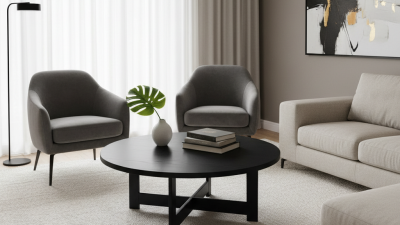
When choosing Living Room Furniture, many factors come into play. The right selection can enhance comfort and style. According to the National Furniture Association, around 70% of homeowners see living room furniture as a key part of their home's identity. Expert designer Jane Smith emphasizes, "Living Room Furniture is not just about aesthetics; it serves as the foundation for everyday living."
Investing in quality pieces is crucial. Many people underestimate the importance of scale, comfort, and durability. For example, a sectional sofa may look perfect online, but it must fit your space and lifestyle. In a recent report, the Furniture Research Institute highlighted that 55% of consumers regret their furniture choices due to improper sizing. Consideration of these details can prevent costly mistakes.
Recognizing the blend of functionality and style is vital. A beautiful coffee table can quickly become cluttered if not chosen wisely. Reflecting on personal needs and aesthetic preferences is essential. In the end, your choices in Living Room Furniture should align with both form and function, creating a harmonious living space.
Understanding Your Space: Measuring Dimensions for Furniture Fit
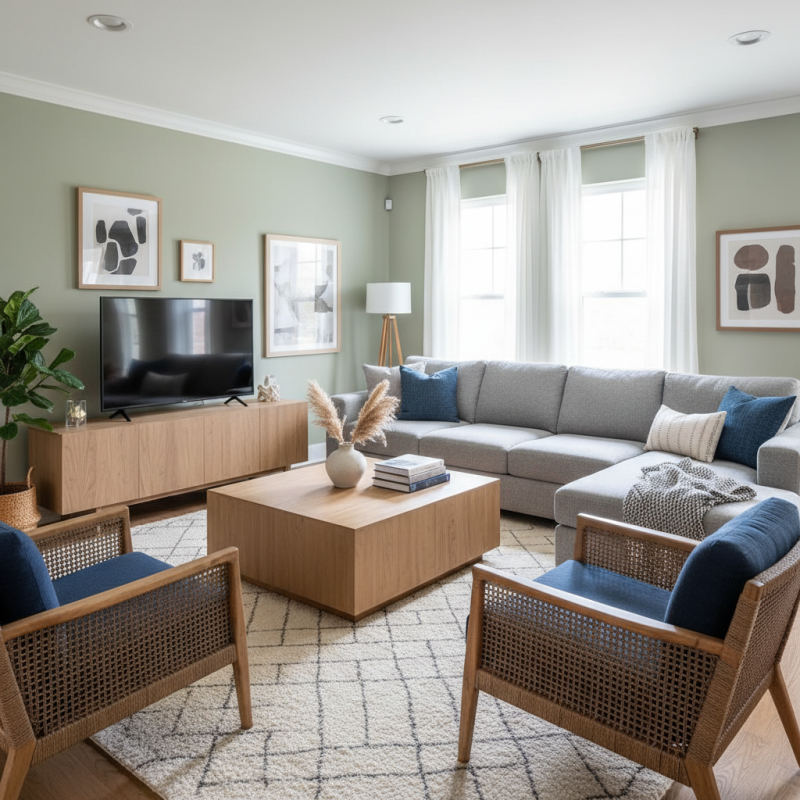
Measuring your living room dimensions is crucial. Accurate measurements help ensure that your chosen furniture fits well. Start by measuring the length and width of the room. Don’t forget to note the height of the walls and any architectural features like windows or doors.
Consider how you intend to use the space. Do you need room for walking or socializing? Mark out clear pathways for movement. Use painter’s tape to outline where furniture will go. Visualizing the layout helps identify potential issues. Are there any awkward corners? Reflect on how to make those areas functional.
After measuring, compile your findings. A room that feels cramped can lead to frustration. Choose furniture that complements the size of the room. Be wary of oversized pieces. Often, less is more. Limit your choices and focus on versatility. A thoughtful arrangement can enhance comfort and style.
Establishing a Budget: Analyzing Average Costs of Living Room Furniture
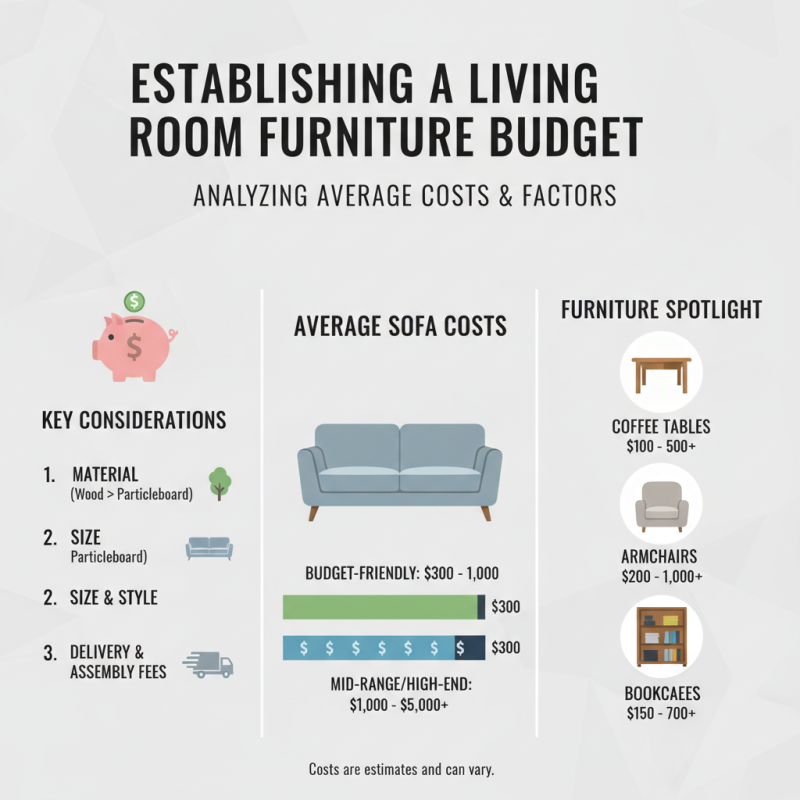
Establishing a budget for living room furniture is crucial. The average cost can vary widely based on factors like material, size, and style. Sofas can range from a few hundred to several thousand dollars. Wooden furniture tends to be more expensive than particle board. Don’t forget about additional costs, like delivery fees and assembly.
Consider your needs carefully. If you entertain often, invest in durable materials. If you have kids or pets, choose stain-resistant fabrics. Measure your space accurately before purchasing. Too many items can make the room feel cramped. It’s easy to overspend on trendy pieces, so think about timeless options that will last.
Budgeting may require tough choices. You might fall for a stylish couch that exceeds your budget. Reflect on whether it’s a wise investment. Aim for a balance between aesthetics and practicality. This approach will help you create a living room that is both beautiful and functional.
Choosing the Right Style: Trends in Living Room Furniture Design for 2023
In 2023, living room furniture trends emphasize a blend of comfort and sustainability. Studies show that over 70% of consumers prioritize eco-friendly materials in their furniture choices. This shift reflects a growing awareness of environmental impact. For instance, natural woods and recycled materials are gaining popularity due to their minimal carbon footprint.
Style-wise, minimalism continues to thrive. Clean lines and neutral palettes create a serene atmosphere. A recent industry report indicated that minimalistic designs accounted for 60% of new furniture lines launched this year. Yet, there's a growing nostalgia for vintage pieces. Mixing contemporary and retro items adds character, but it requires a keen eye to avoid clutter. Striking the right balance can be a challenge for many homeowners.
Color trends are also evolving. Rich jewel tones are emerging, bringing warmth to spaces. However, incorporating bold colors can be risky. Not every shade will complement your existing decor. It's essential to test color swatches in your space before committing. Engaging with these trends can transform a living room into a reflective and personal space, but an intentional approach is necessary.
Material Matters: Evaluating Durability and Maintenance of Furniture Choices
When selecting living room furniture, the material plays a crucial role. Different materials offer varying levels of durability and maintenance. For instance, a report by the American Home Furnishings Alliance states that hardwoods such as oak and maple typically last over 20 years with proper care. In contrast, particleboard furniture often has a lifespan of around 5 to 10 years. This significant difference influences your investment choice.
Consider how often you'll use the furniture. Leather, while elegant, requires regular conditioning to prevent cracking. Conversely, synthetic materials can be more forgiving but may not resist stains as effectively. A study by Furniture Today magazine revealed that nearly 43% of consumers prioritize easy maintenance. It's vital to balance aesthetics with practical considerations.
Reflect on your lifestyle needs. Families with pets might need more resilient options, like microfibers. These can withstand claw marks and spills. However, no material is entirely damage-proof. Evaluating your environment and routines ensures that your furniture not only looks good but also meets your daily demands effectively. In the end, thoughtful material choice enhances both longevity and satisfaction in your living space.
Ergonomics and Comfort: The Importance of Seating Comfort in Living Rooms
When selecting living room furniture, prioritizing ergonomics is essential. Consider how seating affects comfort.
Sofas and chairs must support your body while allowing for relaxation. The right height and depth can prevent discomfort. Look for pieces that align with your natural posture.
Soft cushions provide initial comfort, but they should also support your spine. Try out different styles.
A firm seat can hold you up, while plush cushions may swallow you. Pay attention to how long you can sit before feeling restless. This informs your choice.
Lighting plays a role too. Natural light can enhance your comfort levels. Arrange seating to take advantage of this.
Also, think about the flow of conversation. Open layouts encourage interaction. If you find your setup doesn’t invite socializing, reflect on these design choices.
Being mindful of comfort can significantly enhance your living space.