Leave Your Message

Why Are Nightstands For Bedroom Essential?

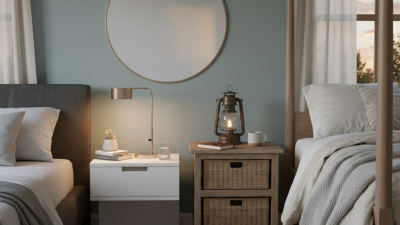
Why are Nightstands For Bedroom spaces more than decorative furniture? The answer begins with the small routines surrounding sleep. A glass of water, reading glasses, a charging cable, and a dim lamp all need a stable home. Without one, these items often gather on the floor or bed. That creates clutter at the exact moment the mind should slow down.

The Centers for Disease Control and Prevention consistently links healthy sleep with regular routines and a suitable sleep environment. The National Sleep Foundation’s bedroom-environment guidance also emphasizes darkness, quiet, comfort, and reduced nighttime disruption. A well-planned nightstand supports these conditions without demanding much space. Its drawer can hide medicines or cables. Its surface can hold a warm reading light, while leaving the mattress clear. Small details matter. They are easy to overlook.

Safety deserves equal attention. The U.S. Consumer Product Safety Commission’s Anchor It! safety campaign warns that unstable furniture can tip, especially around children. A sturdy nightstand, placed on a level floor, should not wobble when a drawer opens. Heavy lamps belong toward the center, not the edge. Rounded corners may also reduce painful bumps during nighttime movement. Yet a nightstand is not a cure for poor sleep. That would be an overstatement. Its value depends on height, storage, lighting, and personal habits. The best choice places essential objects within reach, reduces visual disorder, and quietly supports a more dependable bedtime routine. Maybe that is its real strength: useful, but rarely noticed.
Why Are Nightstands For Bedroom Essential?

What Is a Nightstand and What Purpose Does It Serve?

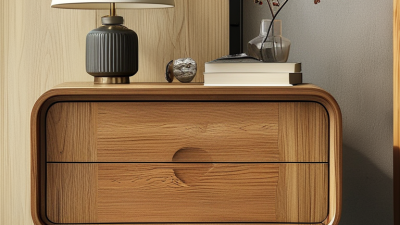
A nightstand is a small table or cabinet placed beside a bed. It keeps essential items within easy reach during the night. Typical contents include a reading lamp, alarm clock, glasses, water, and personal medication. Its purpose is simple: reduce movement and make bedtime routines more comfortable.

A well-designed nightstand also supports safer bedroom habits. A stable surface prevents cups and electronic devices from falling. Drawers can hide clutter, while an open shelf provides quick access. The tabletop should sit close to mattress height, or slightly below it. This position reduces awkward bending when reaching for a book or switching off a lamp. A lamp with a warm, focused beam can support reading without flooding the room with harsh light.

I once used a beautiful bedside table with almost no storage. It looked refined, but cables tangled underneath, and my glasses often disappeared. That experience changed how I judge furniture. Appearance matters, but daily access matters more. Measure the available space before choosing one. Leave enough clearance for walking and opening drawers. A narrow bedroom may need a compact table, while a larger room can support deeper storage. Some people may prefer a wall-mounted shelf instead. It saves floor space, though it offers less protection for fragile items. A nightstand is not essential in every bedroom. Still, when its size and height fit the user, it quietly improves comfort, organization, and nighttime independence.
How Nightstands Improve Bedroom Organization and Accessibility

Why Are Nightstands For Bedroom Essential?

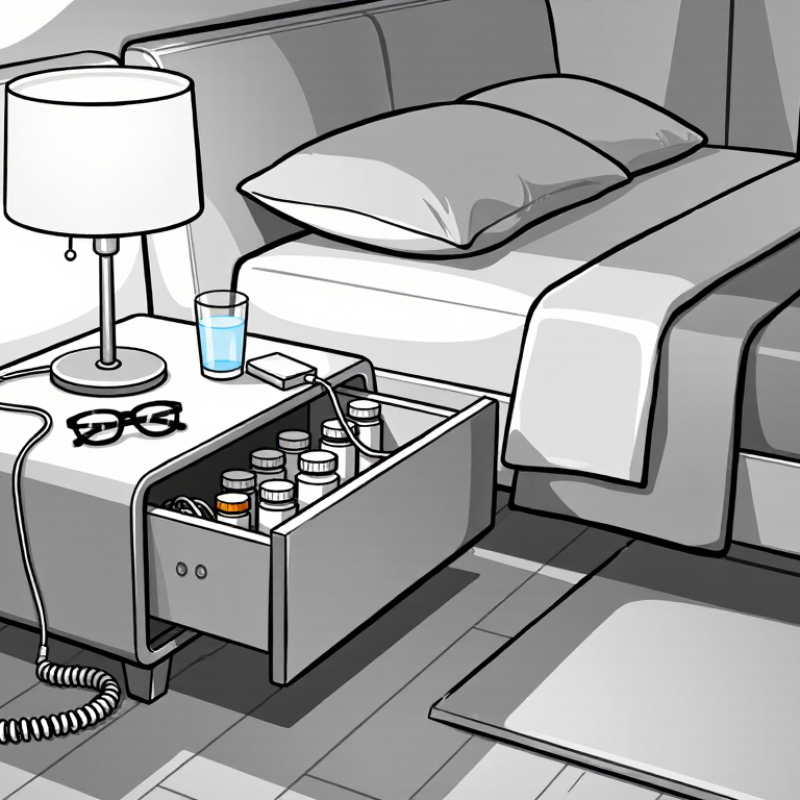
A nightstand gives everyday items a dependable place beside the bed. A lamp, reading glasses, water, and a phone stay within easy reach. This reduces unnecessary movement during the night and keeps the floor clearer. In my experience, a small drawer often works better than an open shelf. It hides charging cables, tissues, and other loose items. I once used a table that was too narrow, and my glass kept sitting near the edge. That design looked attractive, but it was not practical.

Good bedroom organization depends on access as much as appearance. Choose a nightstand close to mattress height, so you can reach items without stretching. Leave enough surface space for a lamp and one regular-use object. Drawers can protect private belongings from dust, while an open compartment makes books easier to find. Measure the gap beside the bed before buying. A beautiful table may still block a walkway.

Tips: Keep only nighttime essentials on top. Use a small tray for glasses and jewelry. Place charging cables through a rear opening, if available. Check that drawers open fully without touching the bed. Soft lighting can help you read labels and move safely. My own setup still becomes cluttered after busy weeks, so a two-minute reset is useful. It is simple, but easy to forget.

Why Nightstands Support Comfort During Bedtime and Morning Routines

Why Are Nightstands For Bedroom Essential?

A nightstand can make bedtime feel quieter and more controlled. Place a lamp, water glass, reading book, or eyeglasses within easy reach. This arrangement prevents unnecessary searching in a dark room. It also keeps the bed clear, making it easier to settle without distractions. From a practical design perspective, reachable storage supports safer movement and a steadier bedtime routine. The surface should remain stable, uncluttered, and easy to clean.

During morning routines, a nightstand gives useful items a predictable home. An alarm, journal, tissues, or charging cable stays visible instead of disappearing under blankets. I once used a narrow stool beside my bed. It looked simple, but my water tipped easily and my phone slid off. Not ideal. A wider surface and a low drawer would have served me better. Measure the bedside space before choosing a nightstand. Leave enough room to walk comfortably.

Comfort also depends on height. A surface close to mattress level reduces awkward bending and reaching. Keep cables secured, and avoid blocking the lamp switch. Personal needs vary, so test the placement for several evenings. Notice what you reach for, what collects dust, and what interrupts sleep. The best nightstand is not the largest one. It is the one that quietly supports real habits.

Why Are Nightstands Essential for the Bedroom?

Sleep duration needs supported by comfortable bedtime and morning routines

Recommended sleep duration varies by age, with adults generally needing at least 7 hours per night. A nightstand keeps essentials such as water, glasses, reading materials, an alarm, and a bedside light within easy reach, helping reduce interruptions and support smoother bedtime and morning routines.

Data shown: minimum recommended sleep hours per 24 hours based on widely used public-health sleep recommendations. Infant values include naps.

How Nightstands Contribute to Bedroom Safety and Practicality

Why Are Nightstands For Bedroom Essential?

How Nightstands Contribute to Bedroom Safety and Practicality

A well-placed nightstand makes nighttime movement safer and more controlled. It keeps a lamp, phone, glasses, and water within easy reach. Without one, these items may sit on the floor and create tripping hazards. A stable surface also reduces awkward bending beside the bed.

In my experience, height matters more than many shoppers expect. A nightstand level with the mattress supports safer reaching in low light. Rounded edges can reduce painful bumps, especially in narrow bedrooms. Keep cords close to the wall, not stretched across walking areas. Leave enough space for feet and emergency movement.

Storage improves everyday practicality. A drawer can hold small personal items, while an open shelf keeps frequently used objects visible. Choose sturdy construction that does not wobble when touched. If the floor is uneven, small adjustable feet can help. This detail is easy to overlook.

I once placed a tall table beside a bed. It looked attractive but felt unstable and blocked the walkway. I changed it after noticing repeated nighttime bumps. The lesson was useful, though not perfect: appearance still influenced my first choice too much. A nightstand should suit the room, but safe access deserves equal attention. Consider its weight, corner shape, height, and distance from the bed before installation.

Why Are Nightstands for Bedroom Essential? – How Nightstands Contribute to Bedroom Safety and Practicality

Bedroom Need Useful Measurement or Data Practical Contribution Safety Contribution Recommended Consideration
Bedside Access Keep the tabletop within approximately 5–10 cm of the mattress top. Makes phones, glasses, books, and water easy to reach without leaning excessively. Reduces the need to reach across the bed or stand suddenly in low light. Measure the mattress height, including the foundation, before choosing the table.
Walking Clearance A planning target of about 61–76 cm (24–30 in) beside the bed supports comfortable movement. Preserves a usable path for entering, leaving, and making the bed. Helps lower the likelihood of bumping into furniture during nighttime movement. Treat this as a layout guideline; local accessibility requirements may differ.
Storage Organization One drawer plus an open shelf separates small items from frequently used objects. Keeps personal essentials accessible while reducing visible clutter. Prevents loose objects from being left on the floor, where they may create trip hazards. Use drawers with smooth runners and avoid overfilling them.
Lighting A lamp placed on a stable surface provides localized light without illuminating the entire room. Supports reading and other bedtime activities with less disruption to a sleeping partner. Improves visibility when getting out of bed and reduces dependence on overhead lighting. Choose a lamp with a stable base and keep it away from bedding and curtains.
Electrical Safety Keep cords routed behind or alongside the table rather than across the walking path. Maintains a cleaner charging and lighting setup. Reduces the chance of tripping, snagging, or pulling an electrical device from the surface. Do not place extension cords under rugs, and avoid overloading outlets.
Stability A broad, level base and balanced weight distribution improve resistance to tipping. Provides a dependable surface for lamps, alarm clocks, and drinks. Limits movement if the table is bumped or used for light support. Use adjustable feet on uneven floors and follow the furniture assembly instructions.
Rounded Edges Rounded or softened corners are preferable in narrow bedside areas. Makes movement around the bed more comfortable. Reduces the severity of contact with sharp furniture corners. Give extra attention to edge design in bedrooms used by children or older adults.
Surface Capacity A tabletop approximately 40–60 cm wide and 35–45 cm deep suits common bedside essentials. Provides space for a lamp, alarm clock, phone, and a small personal item. Prevents essential objects from being balanced on the bed or placed on the floor. Select the smallest surface that meets your needs to preserve walking space.
Cleaning and Airflow A raised base or legs create access for routine floor cleaning. Makes dust removal easier and helps maintain an orderly bedroom. Reduces accumulated dust and keeps the area around electrical equipment easier to inspect. Keep vents, chargers, and heat-producing devices unobstructed.

Note: Measurements are practical residential planning guidelines, not universal building-code requirements. Always follow local regulations and the safety instructions supplied with electrical products and furniture.

What Features to Consider When Choosing a Bedroom Nightstand

Why Are Nightstands For Bedroom Essential?

A nightstand keeps nighttime essentials within reach, but its design affects comfort and safety. The National Sleep Foundation’s 2023 Sleep in America Poll links better sleep with a calmer bedroom routine. A crowded tabletop can interrupt that routine. Choose enough surface space for a lamp, water glass, book, and medication. Measure your bed first. The tabletop should sit close to mattress height, usually within a few inches, so reaching does not strain your shoulder.

Storage deserves careful attention. A shallow drawer can hide charging cables, while an open shelf suits books and a folded sleep mask. Look for smooth runners and rounded corners. These small details matter. The U.S. Consumer Product Safety Commission reports thousands of furniture tip-over injuries each year, especially among children. A stable base, heavier construction, and wall anchoring can reduce avoidable risks. Avoid a narrow unit that wobbles when you pull a drawer.

Material choice also deserves scrutiny. The U.S. Environmental Protection Agency notes that indoor pollutant levels can be higher than outdoor levels, depending on ventilation and sources. Low-emission finishes and adequate bedroom airflow are sensible choices. I once selected a beautiful nightstand with no cable opening. It looked tidy, but charging became awkward. That mistake still matters. Check assembly quality, drawer depth, cleanability, and ventilation before choosing appearance alone. A nightstand should support sleep, not quietly compete with it.