Leave Your Message

How to Choose the Best Night Stand Side Tables

Choosing Night Stand Side Tables may seem like a small decorating decision. Yet the right pair can make bedtime easier and a bedroom feel more settled. The wrong table can crowd a narrow walkway, sit awkwardly beside a tall mattress, or leave nowhere for a glass of water. Small details matter here.

Interior designer Nate Berkus has said, “Your home should tell the story of who you are, and be a collection of what you love.” That broader design principle applies to bedside furniture, too. A nightstand should suit your habits, not just match your headboard. Measure the space beside the bed and note the mattress height before shopping. Then consider what needs to stay within reach: a reading lamp, phone, book, or medication. A drawer helps hide small items; an open shelf keeps a book easy to grab. There is no perfect setup for everyone.

Materials and construction deserve a close look. Solid wood can feel sturdy, while metal or glass may suit a lighter, more open room. Check drawer movement, stability, and whether the table’s finish feels easy to maintain. A beautiful surface is less useful if it scratches easily or wobbles when you reach for a lamp. Be honest about trade-offs: extra storage may take up valuable floor space, and a matching pair can feel too formal in some rooms. This guide explores scale, storage, style, and practical buying checks to help you choose Night Stand Side Tables that work in real life—not only in a showroom.
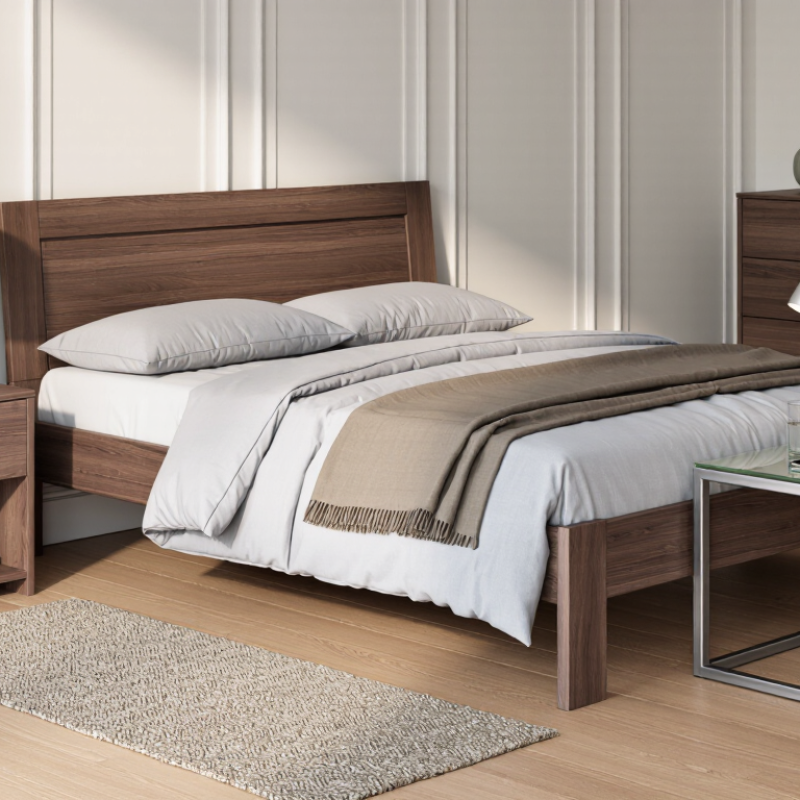
How to Choose the Best Night Stand Side Tables

Identify Your Bedside Storage and Usage Needs

Before choosing a night stand, list what you reach for after lights-out: glasses, a book, medication, water, or a charging cable. Keep daily essentials within arm’s reach, and reserve drawers for items you want hidden. Small details matter. If you use a lamp and alarm clock, measure their combined footprint before choosing a tabletop.

The National Sleep Foundation’s 2011 Bedroom Poll found that 75% of respondents considered comfortable sheets and bedding important to good sleep. The poll did not examine bedside tables, so it cannot prove that storage improves sleep. Still, it highlights how the bedroom environment matters. Choose a table that supports your routine without crowding the bed. Check its height against your mattress; a surface near mattress level is usually easier to reach.

Measure the gap between the bed and wall, then account for drawer clearance and walking space. A narrow table may suit a small room, but it can leave little room for a lamp or water glass. Open shelves offer quick access, though clutter shows. Think about cable outlets, too. I’d be cautious about buying extra storage “just in case”—it can become a landing spot for things you rarely use. A little honest restraint helps.
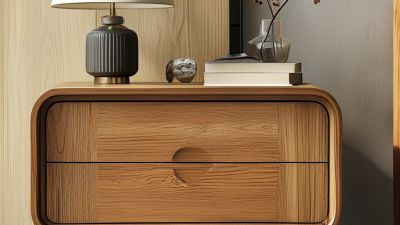
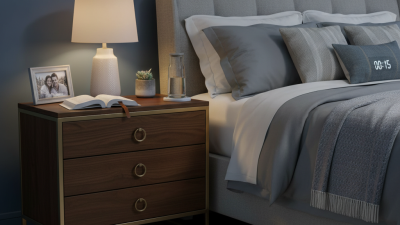
Measure Available Space and Choose the Right Table Height

How to Choose the Best Night Stand Side Tables
Measure Available Space and Choose the Right Table Height

Before choosing a nightstand, measure the space beside your bed, including the gap between the bed frame and wall. Leave enough room to walk comfortably and open nearby drawers. A table that looks compact online can feel bulky beside a narrow bed. Note the width, depth, and any baseboards or outlets that may affect placement. Measure twice. It is easy to overlook the bedside lamp’s footprint, too.

Tips: Measure from the floor to the top of your mattress, including the mattress topper. Aim for a tabletop close to mattress height, or slightly lower. Keep a tape measure handy while comparing dimensions. A difference of a few inches can make reaching for a glass awkward.

Check the height with your usual bedtime routine in mind. You should be able to reach a book, phone, or water without leaning far over the mattress. If your bed has a thick frame, compare the tabletop with the mattress surface, not the frame. I might be tempted to choose a taller table for extra storage, but comfort matters more at night. When possible, mark the table’s footprint on the floor with painter’s tape and walk around it before buying.

How to Choose the Best Night Stand Side Tables - Measure Available Space and Choose the Right Table Height

What to Measure How to Measure It Practical Selection Guide Example
Available width Measure the open space between the bed and the nearest wall, furniture, or doorway. Choose a table narrower than the measured opening, leaving room for skirting boards, drawer pulls, and easy access. For a 24 in (61 cm) opening, consider a table around 18–22 in (46–56 cm) wide.
Available depth Measure from the wall toward the bed, accounting for the bed frame and walking route. Check that the table will not obstruct the route or extend awkwardly beyond the bedside area. If the usable depth is 18 in (46 cm), a table about 14–16 in (36–41 cm) deep may leave useful clearance.
Bedside height Measure from the floor to the top of the mattress, including any mattress topper. A table top close to mattress height is convenient for reaching items. A difference of a few inches can still work, depending on preference and bed design. With a mattress top at 25 in (64 cm), look at tables roughly 23–27 in (58–69 cm) high.
Walking clearance Measure the open floor space between the table and nearby obstacles. Keep enough room to move comfortably and open drawers. The space needed varies with room layout and mobility needs. Mark the proposed table footprint on the floor with painter’s tape and test the walking path before buying.
Drawer and door clearance Measure how far drawers, cabinet doors, and nearby bedroom doors swing or extend. Allow the drawer or door to open without hitting the bed, wall, or other furniture. For a drawer that extends 12 in (30 cm), check that the bedside walkway remains usable when it is open.
Top surface needs List the items you plan to keep within reach, such as a lamp, book, glasses, or phone. Choose a top large enough for daily essentials while keeping the surface easy to use and uncluttered. A lamp with a wide base may need more tabletop space than a compact reading light.

Measurement tip: Measure both sides of the bed separately; nearby walls, windows, and furniture can make the available space different on each side. Dimensions above are examples for planning, not fixed sizing rules.

Compare Storage Options, Materials, and Construction

Choose storage by what actually sits beside your bed: a book, charging cable, glasses, or a water glass. One deep drawer hides clutter, while an open shelf keeps a book within reach. Check drawer clearance and handle placement; a drawer that hits the bed frame becomes frustrating fast. Small detail. It matters.

Material affects weight, care, and stability. The USDA Forest Products Laboratory’s Wood Handbook reports green-to-oven-dry volumetric shrinkage of about 11.9% for soft maple and 17.2% for American beech. These are laboratory figures, not predictions of movement in a finished table, but they show why wood species and moisture conditions matter. For composite-wood tables, EPA TSCA Title VI limits formaldehyde emissions to 0.09 ppm for particleboard and 0.11 ppm for medium-density fiberboard. Check product documentation rather than relying on appearance alone.

Inspect construction where parts meet. A solid, square back panel can help resist racking; smooth drawer slides should move without scraping. Look for sealed edges, especially near a bedside drink. A heavier table may feel steadier, though weight alone does not guarantee sound joinery. I’d also measure the bed height before shopping; matching surfaces is useful, but exact alignment is not always practical. Sources: USDA Forest Products Laboratory, Wood Handbook—Wood as an Engineering Material; U.S. EPA, TSCA Title VI emission standards.

Match the Table’s Style to Your Bedroom

A nightstand should feel related to your bedroom, not like a piece from a different room. Look at the bed frame, wardrobe, and flooring before choosing a finish. A warm wood table can soften a room with pale walls, while a painted table may echo trim or bedding. Small details matter. Compare the table’s handles with nearby metal fixtures, but avoid matching every finish too exactly; a little contrast keeps the room from feeling staged.

Shape also affects the mood. A simple, square table suits clean-lined furniture, while curved edges can balance a tall, angular bed. In a compact bedroom, open legs or a narrow frame can make the floor feel less crowded. Measure the space beside the bed, including the drawer’s path. A beautiful table is awkward if it blocks a closet or leaves no room for a glass of water.

Style does not have to mean perfect coordination. A worn timber surface beside crisp linen can feel welcoming, though the contrast may look too rough in a very formal room. Check samples in daylight and under your bedside lamp; colors often shift after sunset. I would not trust a screen image alone. If you are unsure, choose one detail to repeat, such as a wood tone or rounded shape, and let the rest breathe.

Evaluate Practical Features and Set a Budget

Measure the space beside your bed before shopping. Check the table’s height against your mattress; a surface near mattress level is usually easier to reach. Leave room for drawers to open and for walking past without catching a hip. Small detail, big difference. If you charge a phone overnight, look for a reachable outlet or a cable opening, but check that cords will not snag.

Think about what the table must hold: a lamp, water glass, book, or medication. A drawer can hide small items, while an open shelf keeps frequently used things in view. Press lightly on the top and test the legs for wobble if you can. A delicate finish may scratch under a ceramic mug, so ask about care needs rather than relying on appearance alone. I once chose a table that looked spacious, then found its drawer barely fit my reading glasses.

Set a budget that includes delivery, assembly, and any storage accessories. Compare materials and construction, not just the number of drawers. A lower-priced table can be a sensible choice for a guest room, while daily use may justify stronger joints and a more durable surface. Decide which feature matters most before paying extra. It is easy to overvalue a polished finish. Keep a little room in the budget for the practical detail you overlooked.

How to Choose the Best Night Stand Side Tables - Evaluate Practical Features and Set a Budget

This illustrative $200 budget allocates the largest share to the table itself, while reserving funds for useful storage, durable construction, and delivery or assembly. These are planning figures, not market-price data; adjust them to your needs and local prices.