What Is a White Nightstand and Why Is It Popular?
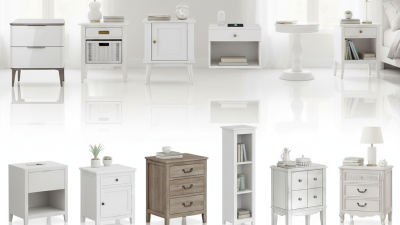
A White Nightstand is a compact bedside table finished in white paint, laminate, veneer, or lacquer. It usually holds a lamp, phone, books, and nighttime essentials. Most designs include one or more drawers, an open shelf, or both. The best models balance storage, stability, and easy cleaning. A glossy surface may brighten a small room, while a matte finish creates a softer, calmer appearance.
The category benefits from wider furniture demand. Grand View Research reported that the global home furniture market exceeded $500 billion in 2023 and is expected to continue growing through 2030. That broad figure does not prove that white nightstands are universally popular. It does show a strong market for practical, style-conscious home products. IKEA’s Life at Home research also emphasizes comfort, personal identity, and functional spaces as important parts of home life. A white bedside table supports these needs without visually crowding the room.
There is a practical reason, too. White can reflect daylight and coordinate with wood, metal, beige, blue, or green furnishings. It works in coastal, modern, Scandinavian, and traditional bedrooms. Some buyers prefer it for rental rooms or changing interiors. Still, the choice is not perfect. White surfaces can reveal dust, fingerprints, and chipped edges more clearly than darker finishes. A reliable purchase should therefore consider finish quality, drawer hardware, dimensions, and weight capacity. This guide examines what a White Nightstand is, why it remains popular, and where its visual advantages may require extra care.

Definition and Core Features of a White Nightstand
A white nightstand is a compact bedside table finished in white paint, laminate, veneer, or coated wood. Its core features usually include one or two drawers, an open shelf, and a stable top for a lamp, phone, or book. Many models measure about 20 to 28 inches wide, fitting beside standard beds without blocking movement. White reflects light, so it can make a small bedroom feel cleaner and more spacious. This effect is useful in rooms with limited daylight. However, white surfaces reveal dust, coffee marks, and uneven paint quickly. That is the less glamorous truth.
The material matters more than the color. Engineered wood can offer consistent surfaces and lower weight, while solid wood may provide better repair potential. Check drawer alignment, back-panel strength, and the quality of the finish. Grand View Research reported that the global home furniture market is expected to grow at a 5.6% compound annual growth rate from 2024 to 2030. This wider market trend supports demand for functional, space-conscious furniture, but it does not prove that every white nightstand is durable. Personal inspection remains valuable. Houzz research also shows that homeowners continue investing in personalized bedroom improvements, although preferences vary by household.
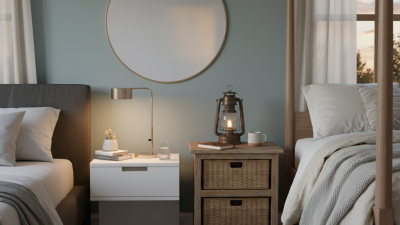
Tips: Measure the bed gap first. Leave at least two inches for easy cleaning. Choose soft-close drawers for quieter nights. Use a coaster under drinks. If the room feels too pale, add texture through wood grain, woven baskets, or warm lighting. A white nightstand is versatile, but versatility can become bland without contrast.
Common Materials, Finishes, and Design Styles
A white nightstand is a bedside cabinet finished in white paint, laminate, veneer, or lacquer. Its pale surface reflects light, making a small bedroom feel cleaner and slightly larger. Grand View Research valued the global home furniture market at about $545.78 billion in 2023. That scale helps explain the demand for adaptable pieces.
Material changes performance. Solid wood offers repairable surfaces and visible grain beneath opaque paint. Engineered wood usually costs less and keeps panels stable. Metal creates a slimmer, cooler look, while plastic resists occasional spills. Check the drawer joints, back panel, and edge sealing. Cheap white laminate can swell after one careless water ring.
Finishes also shape maintenance. Matte paint hides fingerprints better than high-gloss lacquer. Satin sits between them. Contemporary rooms often use handleless drawers and straight legs. Shaker-style fronts add familiar detail. Scandinavian designs favor tapered legs and soft white tones. Industrial versions may combine white panels with black metal. The Business Research Company reported that the global furniture market grew from approximately $766.2 billion in 2023 to $799.3 billion in 2024. Yet market growth does not guarantee quality. I would inspect drawer movement in person. Slight wobbling matters. A nightstand should also meet recognized storage-furniture safety guidance, such as ISO 7170, especially in homes with children.
What Is a White Nightstand and Why Is It Popular?
White nightstands are commonly made from solid wood, MDF, particleboard, or metal. Their popularity comes from a bright, versatile appearance that works well with minimalist, farmhouse, mid-century, and industrial bedrooms. The chart compares representative nightstand dimensions by design style.
Typical planning dimensions are shown in inches; actual products vary by construction, storage capacity, and design details. Common white finishes include painted wood, lacquer, laminate, and powder-coated metal.
How White Nightstands Fit Different Bedroom Layouts
A white nightstand is a bedside table finished in white, often made from wood, engineered panels, or painted metal. Its popularity is practical, not only decorative. White reflects light, making a small bedroom feel less crowded. Grand View Research reports that the global bedroom furniture market was valued at over $250 billion in 2023, with demand supported by compact, multifunctional furniture. This growth reflects changing layouts, especially in apartments and smaller homes.
In a narrow bedroom, choose a nightstand around 16 to 20 inches wide. Place it beside the bed, leaving enough space for drawers to open fully. In a larger room, two matching white nightstands can create balance without making the space feel heavy. A floating model works well beside a platform bed because it preserves visible floor area. For a shared room, use one deeper table on the side with more walking space. That solution may look uneven, but comfort matters more than perfect symmetry.
Tips: Measure the walkway first. Keep at least 24 inches for comfortable movement where possible. Match the nightstand height closely with the mattress top, usually within two inches. Use drawers for cables, medication, or reading glasses, and keep the surface limited to a lamp and one small object. Houzz’s 2024 U.S. Houzz & Home Study continues to identify storage and function as major renovation priorities. White can show dust quickly, though. A matte finish is often easier to live with than glossy paint.
What Is a White Nightstand and Why Is It Popular? - How White Nightstands Fit Different Bedroom Layouts
| Bedroom Layout |
Recommended Nightstand Width |
Recommended Depth |
Suggested Bedside Clearance |
Suitable Storage |
Why White Works Well |
| Compact bedroom |
16–20 in (41–51 cm) |
14–16 in (36–41 cm) |
24–30 in (61–76 cm) of walking space |
One drawer or an open shelf |
A light finish helps the room feel less visually crowded. |
| Standard double-bed layout |
20–24 in (51–61 cm) |
16–18 in (41–46 cm) |
30–36 in (76–91 cm) on the main walkway side |
One to two drawers |
White coordinates easily with wood, gray, beige, blue, and pastel bedding. |
| Large primary bedroom |
24–30 in (61–76 cm) |
18–20 in (46–51 cm) |
30–36 in (76–91 cm) around the bed |
Two to three drawers |
A wider white nightstand balances a large bed without adding a heavy visual block. |
| Narrow room with one accessible side |
14–18 in (36–46 cm) |
12–16 in (30–41 cm) |
Keep at least 24 in (61 cm) for practical access |
Open shelf or a slim drawer |
The pale surface keeps a tight bedside zone looking clean and open. |
| Guest bedroom |
18–24 in (46–61 cm) |
16–18 in (41–46 cm) |
30 in (76 cm) where possible |
One or two drawers for personal items |
White furniture supports a neutral, welcoming look for different decorating preferences. |
| Bedroom with dark flooring or walls |
20–28 in (51–71 cm) |
16–20 in (41–51 cm) |
30–36 in (76–91 cm) |
Drawers or cupboards for stronger visual presence |
White creates contrast against darker surfaces and can make the bedside area more noticeable. |
| Minimalist bedroom |
18–24 in (46–61 cm) |
14–18 in (36–46 cm) |
30 in (76 cm) or more |
Open shelf or one clean-front drawer |
A simple white finish reinforces a restrained palette and reduces visual clutter. |
Measurement note:
These are practical planning ranges rather than fixed standards. Choose a nightstand that is close to the mattress height, check door and drawer clearance, and preserve a comfortable walking path around the bed.
Practical Benefits and Potential Drawbacks
A white nightstand is a bedside table finished in white paint, laminate, veneer, or coated wood. It usually holds a lamp, books, medication, and a charging device. Its pale surface reflects light, making a small bedroom feel brighter and more open. This visual effect works especially well beside darker walls or heavy bedding. The color also adapts to many interiors, from simple bedrooms to coastal or traditional spaces. It looks clean.
White furniture makes dust visible quickly, which can encourage regular cleaning. A damp microfiber cloth usually handles fingerprints, but textured finishes may trap grime. In daily use, drawers with smooth runners and solid handles matter more than appearance. A stable nightstand should sit level and leave enough space for walking around the bed. Cable openings can prevent chargers from hanging across the floor. Small details help.
However, white is not maintenance-free. Dark marks, spilled coffee, and yellowing near a sunny window may become noticeable. Some painted surfaces can chip when keys or metal objects strike their edges. Glossy finishes may show reflections and fingerprints more clearly than matte finishes. I once underestimated this issue in a bright room; the table looked tidy only after frequent wiping. That experience changed my preference toward a washable matte coating. Before buying, inspect the drawer joints, surface edges, and back panel. A beautiful finish cannot compensate for weak construction.
Care, Maintenance, and Selection Considerations
A white nightstand is a small bedside table with a white-painted, laminated, or sealed surface. Its pale color reflects light and makes compact bedrooms feel less crowded. It also works with wood, metal, linen, and darker wall colors. That flexibility explains much of its popularity.
Care begins with simple habits. Wipe dust with a soft, dry cloth several times each week. For fingerprints, use a slightly damp microfiber cloth and mild soap. Dry the surface immediately. Avoid soaking the edges, especially on engineered wood. Water can enter tiny seams and cause swelling. Coasters help protect the top from cups, cosmetics, and warm reading lamps. Felt pads under objects reduce fine scratches. Avoid abrasive powders and rough sponges.
Selection deserves equal attention. Check whether the finish is matte, glossy, lacquered, or wrapped, because each shows marks differently. Inspect drawer joints, runners, handles, and the back panel. A sturdy nightstand should not wobble when a drawer opens. Measure the bed height first; a tabletop near mattress level is usually easier to reach. Consider ventilation holes if electronics will charge inside. Look for rounded corners in narrow rooms. They reduce painful bumps, though they may sacrifice a little storage space. I once chose appearance over drawer depth and regretted it when books quickly filled the tabletop. White surfaces can yellow near strong sunlight, so curtains or UV-filtering window film may help. Still, no finish stays perfect forever.