Best Wooden Night Stands for Global Buyers in 2026?
In the evolving world of interior design, "Night Stand Wood" is quickly becoming a staple for both functionality and aesthetic appeal. A recent industry report from the Furniture Manufacturers Association projects a steady growth of 6% in the wooden furniture sector, fueled by consumer demand for sustainable and stylish options. This trend reflects a broader shift towards eco-friendly materials, which has gained traction among buyers in 2026.
Expert Sarah Thompson, a renowned interior design consultant, emphasizes the importance of quality wood choices. She states, "The right night stand can transform a bedroom into a sanctuary." This assertion resonates as consumers prioritize pieces that ensure both durability and elegance. From oak to walnut, the variety of wood types offers diverse design opportunities that reflect personal tastes.
However, choosing the perfect nightstand can be a challenge. Many buyers face confusion regarding quality and craftsmanship. Not all wood products are created equal, and some lack the longevity that consumers expect. A well-informed choice requires attention to detail. As buyers navigate the options, understanding the nuances of nightstand wood can lead to more satisfying purchases.
Overview of Wooden Night Stands Market Trends for 2026
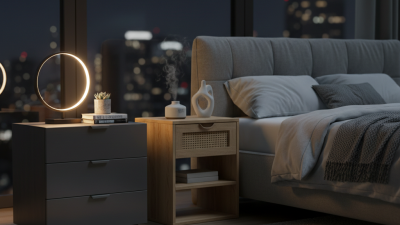
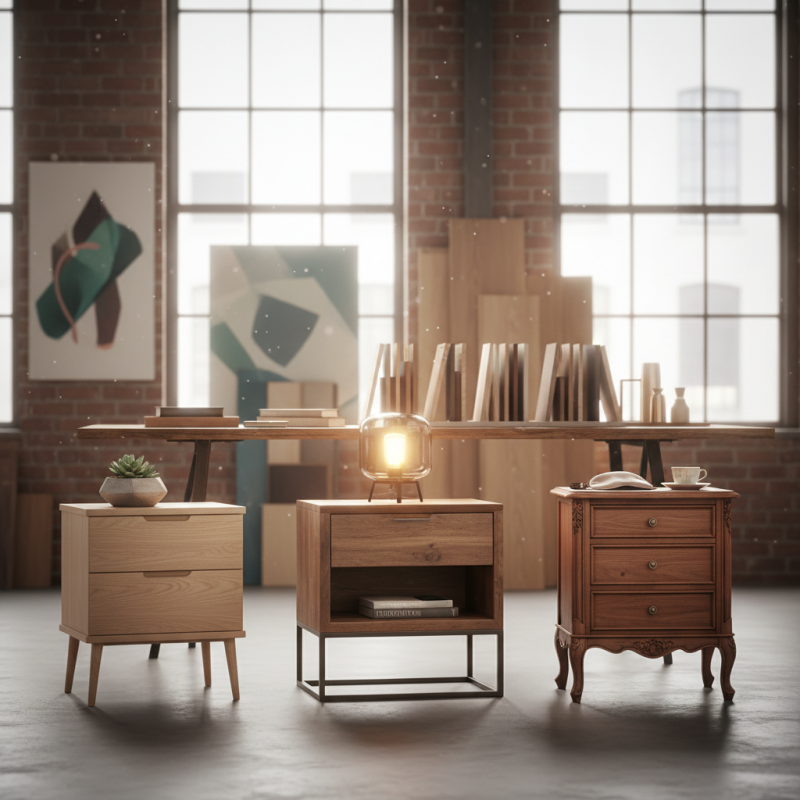
As we look ahead to 2026, the wooden nightstand market is expected to evolve significantly. Buyers globally seek pieces that blend functionality with aesthetic appeal. The rise of minimalist design means simpler, sleeker nightstands are gaining popularity. They often feature clean lines and natural finishes, showcasing the beauty of the wood itself.
Sustainability is also a key trend. Consumers are more eco-conscious than ever. Many prefer nightstands made from responsibly sourced materials. This shift not only benefits the environment but also reflects a growing awareness of craftsmanship and durability. The demand for bespoke and artisanal wooden nightstands is increasing, as buyers want unique pieces that tell a story.
Moreover, integrating technology is becoming essential. Nightstands equipped with wireless charging options are on the rise. However, balancing tech features with traditional aesthetics can be challenging for designers. While innovation is important, it should not compromise the timeless charm of wooden furniture. Reflecting on these dynamic shifts will help buyers navigate their choices in this ever-changing market.
Top Features to Consider When Choosing a Wooden Night Stand
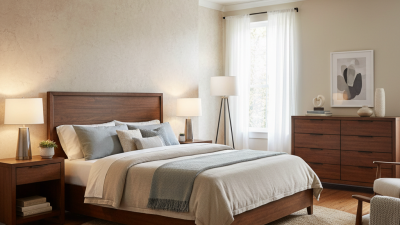
When choosing a wooden nightstand, consider the style first. The design should match your bedroom decor. Look for a piece that complements your overall aesthetic. Whether it’s rustic, modern, or vintage, the right nightstand enhances your space.
Next, focus on functionality. Evaluate the size and storage options. A nightstand should provide enough surface for essentials like a lamp and a book. Drawers or shelves are practical for storing items. Think about your personal needs. Do you need a space for gadgets, or perhaps extra bedding?
Durability is crucial in selecting wooden nightstands. Quality wood can endure daily use. It resists scratches and stains better than cheaper materials. Look for craftsmanship details. Joinery work can indicate strength. Pay attention to the finish as well; it should not only be attractive but also protect against wear over time. Reflect on how you want your nightstand to perform in your bedroom.
Popular Wood Types Used in Night Stand Manufacturing
When considering the best wooden nightstands for global buyers in 2026, it's essential to focus on the types of wood used in their construction. The most common wood choices include oak, walnut, and teak. Each type offers unique characteristics that affect durability, aesthetics, and cost.
Oak is known for its strength and resistance to wear. It's a popular choice for furniture, boasting a beautiful grain pattern. According to the American Hardwood Export Council, the global demand for oak has risen by 15% in the last year, reaffirming its status in furniture design.
Walnut, with its rich color and fine grain, appeals to buyers looking for elegance. Reports indicate that walnut's popularity has increased by 10%, particularly in upscale markets.
Teak is favored for its natural oils, making it less prone to damage. However, sourcing teak responsibly remains a challenge.
The choice of wood also impacts the environment. Sustainable practices are needed to ensure future availability. Many manufacturers are exploring alternatives like bamboo, which grows rapidly and offers a durable option. However, reliance on fast-growing species raises questions about quality and longevity compared to traditional woods. These factors require careful consideration from consumers as they navigate their buying decisions in the coming years.
Sustainable Options and Eco-Friendly Trends in 2026
In 2026, eco-friendly trends continue to reshape the furniture market. Sustainability is no longer a niche; it's a necessity. Reports indicate that over 75% of consumers prefer products made from sustainable materials. This trend significantly impacts the selection of wooden nightstands. Buyers are keen on choosing pieces that contribute positively to the environment.
Reclaimed wood is gaining popularity. It reduces waste and minimizes the need for new timber. Research shows that furniture made from reclaimed wood can cut carbon emissions by up to 50%. This option is stylish, durable, and environmentally responsible. Many customers appreciate unique textures and colors in reclaimed nightstands, making each piece one-of-a-kind.
Manufacturers are also exploring innovative materials. Bamboo, known for its rapid growth rate, is being utilized increasingly. It is strong and lightweight, providing a compelling alternative to traditional hardwood. However, challenges such as sourcing and processing eco-friendly bamboo sustainably must be acknowledged. These trends reveal a complex landscape of choices as consumers navigate their environmental impact while seeking aesthetic appeal in their home décor.