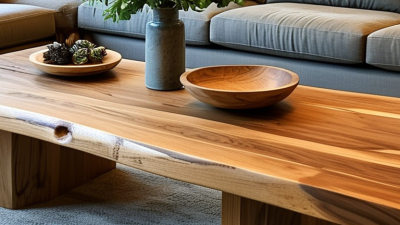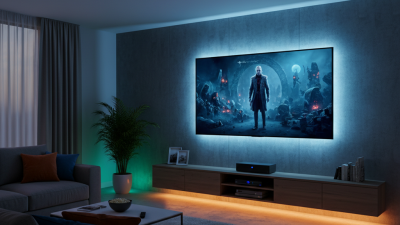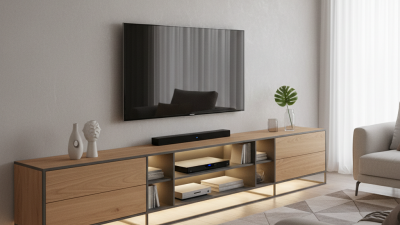
A TV table can change how a living room feels and functions. It holds a screen, but also gathers remotes, game controllers, and the occasional half-finished cup of tea. A Tv Table Wooden design brings visible grain and a warmer, more grounded look to that everyday setup. The right choice still depends on room size, screen placement, storage needs, and the household’s habits.
Industry figures offer useful context, though not a direct verdict on TV tables. Grand View Research valued the global furniture market at approximately $736.6 billion in 2023 and forecast continued growth through 2030. Houzz’s 2024 U.S. Houzz & Home Study reported that the median renovation spend reached $24,000 in 2023, up from $22,000 in 2022. These broad figures show sustained investment in homes; they do not prove that wood furniture suits every room. Details matter.
This guide compares ten wooden TV tables by practical features: dimensions, storage, finish, construction, and ease of cleaning. Look for shelves that fit your devices, cable openings that match your setup, and sturdy legs on uneven floors. A beautiful finish can still show scratches. Real life intervenes. Solid wood, veneers, and engineered panels also differ in weight, cost, and upkeep, so the label alone tells only part of the story. The best table is not necessarily the largest or most expensive. It is the one that fits your room and keeps daily viewing comfortable.
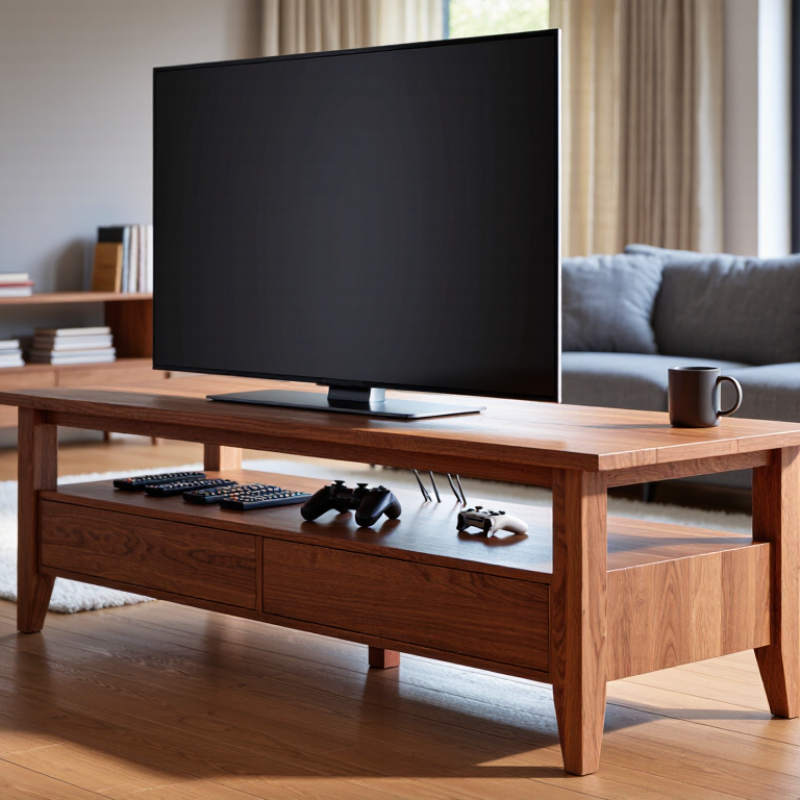
A wooden TV table is a low, stable piece of furniture designed to support a television and related equipment. Its defining features are its function, load-bearing top, and wood-based construction. There is no single universal industry specification. “Wooden” may mean solid timber, veneer over engineered panels, or a combination. These materials differ in weight, grain, repairability, and resistance to moisture. Solid wood can often be refinished, but it may expand or contract with humidity. Veneered panels can look similar, yet damaged edges may be harder to repair.
Size and structure matter as much as appearance. Check the table’s stated weight capacity, shelf spacing, and rear cable openings before choosing it. A sturdy frame should sit level, with doors and drawers opening without catching. The U.S. Environmental Protection Agency’s 2018 waste report counted 12.1 million tons of furniture and furnishings in municipal solid waste, or 4.1 percent. That figure is a useful reminder to consider durability and repair, though it does not prove that any one material lasts longer. It is tempting to focus only on the wood grain. That can be a mistake.
Tips: Measure the television’s feet, not just its screen. Leave space for airflow around electronics, and check that cables reach the nearest outlet without stretching. A beautiful table that wobbles is still a poor fit.
Sources: U.S. EPA, Advancing Sustainable Materials Management: 2018 Fact Sheet.
Wood choice changes both appearance and daily use. Oak has visible grain and feels substantial, while maple offers a smoother, quieter pattern. Pine is lighter and often less costly, but dents and scratches can show sooner. Veneered panels can provide an attractive wood surface; check that exposed edges are finished cleanly. A small sample helps you compare the table with your floor and nearby furniture.
Joinery matters when a TV table carries a screen, speakers, or storage. Mortise-and-tenon joints can make frames feel sturdy, while well-fitted dowels and screws may also work well. Inspect corners for gaps and drawers for smooth movement. A glossy finish can make grain stand out, but fingerprints may be more noticeable. Matte oil or water-based finishes often look softer; confirm care instructions before choosing. Finish names alone do not tell you how a surface will wear. That detail is easy to miss.
Tips: Measure the TV base and leave room for cables. Ask about the unit’s load rating, especially for heavier equipment. Look closely at the back panel, too. It can be an afterthought, and sometimes it is.
Compare the Janka hardness of five woods commonly used in furniture, including TV tables. Higher values indicate greater resistance to denting—not overall furniture strength.
Hard maple and northern red oak are harder than black walnut, black cherry, and eastern white pine. The right choice also depends on joinery and finish: sturdy joints help a table hold together, while a suitable finish helps protect its surface.
Wooden TV tables range from clean-lined, mid-century shapes to rustic designs with thicker legs and visible grain. A narrow console suits a small living room, while a wider, low table can anchor a larger seating area. Check the television’s width and viewing height before choosing. The screen should sit securely, with enough surface space for its stand and nearby devices. Finish matters, too: pale wood can brighten a dim corner, while darker tones may make a room feel grounded. Wood grain varies. That is part of the appeal, but it can make matching pieces less exact.
Storage configurations affect how the table works day to day. Open shelves keep a game console or streaming device within reach and allow air to circulate. Drawers are useful for remotes, spare cables, and small accessories. A cabinet with doors hides visual clutter, although devices controlled by remote may need an open front or careful placement. Measure the depth of each device and leave room for cords to bend without being pinched. A drawer can look tidy, yet become awkward when cables are pushed behind it. Consider where outlets sit before settling on a layout.
Tips: Group items by use: devices on open shelves, small accessories in drawers. Leave ventilation space around electronics, and check that doors and drawers clear nearby furniture when opened.
| Style | Typical Width | Common Storage Configuration | Design and Practical Features | Best Suited To |
|---|---|---|---|---|
| Low-Profile Console | 48–72 in (122–183 cm) | One or two open shelves, sometimes paired with small side compartments | Long, low proportions keep the visual profile simple; open shelves allow airflow around electronics. | Living rooms with a contemporary or relaxed layout |
| Farmhouse-Style Stand | 54–72 in (137–183 cm) | Two or more cabinet doors, often with a central open shelf | Typically features visible wood grain, plank-style details, or a distressed finish; closed cabinets conceal accessories. | Traditional, rustic, or country-inspired rooms |
| Mid-Century-Inspired Stand | 48–70 in (122–178 cm) | Sliding or hinged doors with one or two open compartments | Often has tapered legs and a streamlined outline; raised legs leave visible floor space beneath the unit. | Smaller rooms and interiors with a clean, vintage-inspired look |
| Modern Minimalist Console | 48–78 in (122–198 cm) | Flush-front cabinets, drawers, or a combination of concealed and open storage | Simple lines and understated hardware help reduce visual clutter; check for cable openings if equipment will sit inside. | Modern interiors and rooms where a tidy appearance is a priority |
| Corner TV Stand | 30–48 in (76–122 cm) across the front | Compact shelves or small cabinets arranged around a corner-friendly footprint | Designed to sit in or near a corner; measure the available wall space and the unit’s depth before choosing. | Small living rooms, apartments, or rooms with limited wall space |
| Open-Shelf Stand | 42–72 in (107–183 cm) | Two or more exposed shelves, sometimes with a lower storage tier | Provides easy access to components and generally allows good air circulation; cables and devices remain visible. | Homes that use several media devices or prefer accessible storage |
| Closed-Cabinet Stand | 48–78 in (122–198 cm) | Multiple cabinet sections with doors; some designs include adjustable shelves | Conceals games, remotes, and accessories. Confirm that enclosed compartments have suitable ventilation for electronics. | Family rooms where hidden storage is useful |
| Drawer-and-Shelf Combination | 48–72 in (122–183 cm) | One or more drawers alongside open shelves or cabinet doors | Drawers organize smaller items, while shelves can hold frequently used equipment; cable access varies by design. | Rooms that need a mix of concealed and easy-access storage |
| Electric Fireplace Console | 48–72 in (122–183 cm) | Central fireplace insert with side shelves or cabinets | Combines a media surface with an electric fireplace. Follow the manufacturer’s clearance and ventilation instructions for the insert. | Living rooms where a fireplace-style focal point is wanted |
| Wall-Mounted or Floating Console | 48–72 in (122–183 cm) | Wall-fixed drawers, cabinets, or a shallow open shelf | Leaves the floor visible beneath the unit; requires secure mounting to suitable wall structure and careful cable planning. | Compact or contemporary rooms with appropriate wall support |
Note: Widths are typical design ranges, not specifications for a particular product. Measure the available space and check the stand’s weight capacity; for a stable appearance, choose a stand at least as wide as the TV.
How to Choose a Table for Your Living Room
Start with the space around your television, not the table’s appearance. Measure the wall, the screen, and the distance to nearby seating. A table that looks compact online may feel bulky beside a narrow sofa. Leave enough room to walk past it without turning sideways. Measure twice.
Check the table’s height against your screen and sofa. The television should sit comfortably in your line of sight, without making you tilt your head. If you plan to place a soundbar or game console below it, measure those items too. A shelf can be useful, but only when the equipment fits and stays easy to reach. Cables need space as well.
Wood type and construction affect both appearance and daily use. Solid wood can be sturdy, while engineered wood may offer a lighter, more budget-conscious option. Look closely at joints, legs, and the finish; uneven edges or a wobbly frame are warning signs. I’d also consider sunlight and spills. A pale finish may show marks less than a dark, glossy one, though that is not always true. Think about what the table will actually hold: a remote, a speaker, or perhaps a heavy stack of books. A little storage helps, but doors and drawers can make small rooms feel crowded.
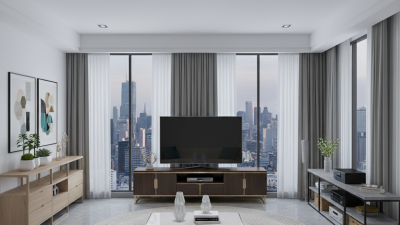
Wooden TV tables suit living rooms in different ways, depending on floor space, viewing habits, and storage needs. A narrow table with open legs can keep a small apartment feeling airy. In a family room, a wider design with drawers may hide remotes, cables, and game controllers. Low tables work well with floor-level seating, while taller models can make a screen easier to view from a sofa. Measure the wall and television before choosing; a table that looks balanced online may feel cramped beside a doorway. It happens.
For a bright, relaxed room, pale wood can echo natural flooring and woven rugs. Darker wood may add contrast in a room with light walls, though dust can show more clearly on its surface. In a shared space, rounded corners and a steady base are practical details worth checking. For a room with limited outlets, leave space behind the table for cable access instead of pushing it flush against the wall.
Tips: Check the table’s width, height, and weight capacity against your television. Leave ventilation space around devices, and secure tall furniture when children or pets are present. A finish sample can help you judge the wood beside your flooring; lighting sometimes changes its color more than expected.