Best Nightstands For Bedroom Tips to Maximize Space and Style?
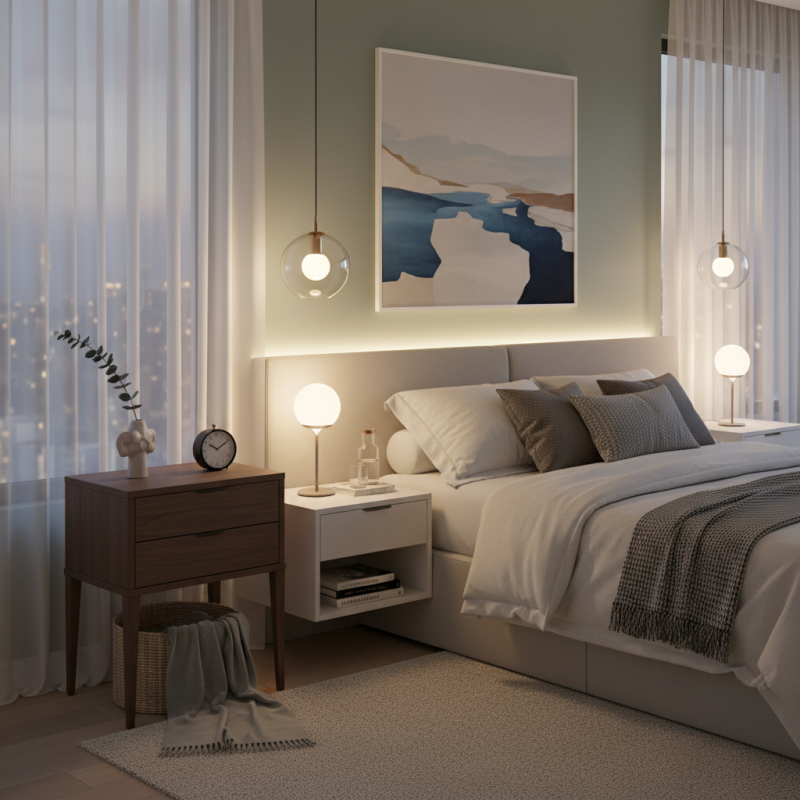
When it comes to designing a stylish bedroom, the choice of nightstands plays a crucial role. Renowned interior designer, Sarah Johnson, once said, "Nightstands for bedroom are not just functional; they complete the room’s look." This statement emphasizes the balance between function and aesthetics in home decor.
Selecting the right nightstands can maximize both space and style. A well-chosen nightstand can enhance a room's vibe while providing practical storage. For example, a slim, minimalist design can open up the space, making the room feel larger than it is.
However, many people overlook the importance of these pieces. They often settle for bulky, outdated options that clash with their bedroom's theme. Reflecting on this can lead to better choices. Investing time in finding the right nightstands for bedroom can truly elevate your space and create a personalized haven.
Choosing the Right Nightstand for Your Bedroom Style
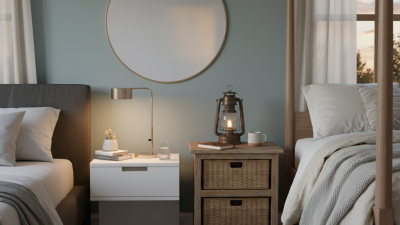
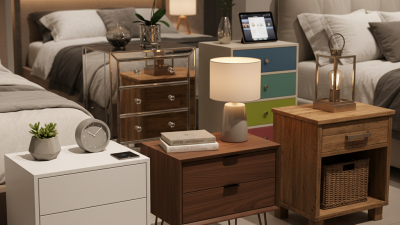
Choosing the right nightstand can transform your bedroom’s style. Consider your bedroom décor. A minimalist space pairs well with sleek, modern designs. Wood nightstands add warmth. If you have eclectic decor, mix and match styles for a playful vibe.
Functionality is just as important as aesthetics. Think about your storage needs. A nightstand with drawers can keep essentials hidden. Open shelves create an airy feel and display decorative items. The height matters too. Ensure it aligns well with your bed for easy access.
Lighting plays a crucial role in setting the mood. Nightstands with built-in lighting can save space and provide ambiance. Reflect on how the nightstand contributes to your overall comfort. The perfect choice should reflect your personality and enhance your relaxation space. Remember, a great nightstand balances style and practicality.
Best Nightstands For Bedroom Tips to Maximize Space and Style
| Nightstand Type |
Material |
Dimensions (W x H x D) |
Storage Features |
Style Compatibility |
| Traditional Nightstand |
Wood |
24" x 28" x 18" |
1 Drawer, 1 Shelf |
Classic, Rustic |
| Modern Nightstand |
Metal & Glass |
20" x 24" x 16" |
Open Shelf, No Drawers |
Contemporary, Minimalist |
| Farmhouse Nightstand |
Reclaimed Wood |
22" x 26" x 18" |
2 Drawers |
Country, Shabby Chic |
| Floating Nightstand |
MDF |
20" x 15" x 12" |
No Storage |
Scandinavian, Modern |
| Nightstand with Charging Station |
Bamboo |
24" x 26" x 18" |
1 Drawer, USB Ports |
Modern, Tech-Savvy |
Maximizing Vertical Space with Multi-functional Nightstands
In a compact bedroom, every inch counts.
Multi-functional nightstands can transform your space.
They do more than just hold a lamp. These designs often include shelves or drawers for storage.
This allows you to keep essentials close. You can use the top for a clock or a book.
Below, you might store extra pillows or blankets.
Vertical space is often neglected.
Tall nightstands can take advantage of this area.
Instead of spreading out, they reach upwards. This creates an illusion of more space.
You can display decor on top while storing items below.
Consider using a slim nightstand to avoid crowding. This also enhances the room's flow.
Choose designs that blend functionality with style.
A nightstand with an open shelf can display books or plants.
These elements add personality. But don’t forget to reflect your style too.
The balance between form and function is essential.
You might need to try different styles to find what fits.
Incorporating Nightstands into Small Bedroom Layouts
Incorporating nightstands in small bedroom layouts can be challenging yet rewarding. Choosing the right nightstand can enhance both style and functionality. Look for options that offer built-in storage. A nightstand with drawers helps keep your essentials organized and diminishes clutter. Consider using a floating nightstand to save floor space. This design creates an illusion of more room while maintaining accessibility.
Think about height when selecting a nightstand. It should align with your mattress for easy reach during the night. A tall nightstand can be elegant but can make small rooms feel cramped. Sometimes, a well-placed stack of books can replace traditional designs. This unconventional approach can add personality while maximizing your space.
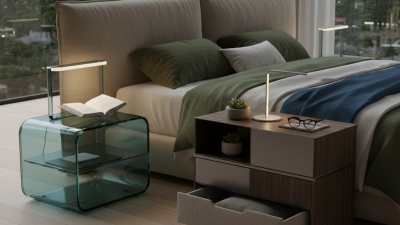
Experiment with colors and textures to add character. Light-colored wood or glass surfaces can make the room feel airy. On the other hand, dark finishes offer a cozy appeal. Be aware that too many contrasting elements can overwhelm a small space. Balance is key. Reflect on how your choices contribute to the overall harmony of your bedroom. These small adjustments can significantly enhance your small bedroom layout.
Selecting the Best Materials and Finishes for Nightstands
When choosing the right materials for nightstands, several factors come into play. Wood is a classic choice due to its durability and timeless appeal. Opt for hardwoods like oak or walnut for longevity. However, softer woods can be budget-friendly but may scratch easier. Metal nightstands can offer a modern touch, providing sleek lines and easy maintenance.
Consider finishes carefully. Matte finishes hide fingerprints and scratches well, while glossy surfaces can add elegance but may require more upkeep. Don't overlook colors either; lighter hues can make a space feel larger, while dark colors create warmth.
For tips on selecting nightstands, think about the overall decor style of your bedroom. Ensure the materials match or complement your furniture. If space is a concern, a nightstand with built-in storage can maximize functionality. Measure your space to avoid overcrowding. Mixing different materials can also bring visual interest, but balance is key to prevent a chaotic look. These elements collectively enhance both space and style.
Best Nightstands By Material Type
Accessorizing Your Nightstand for Enhanced Functionality and Aesthetics
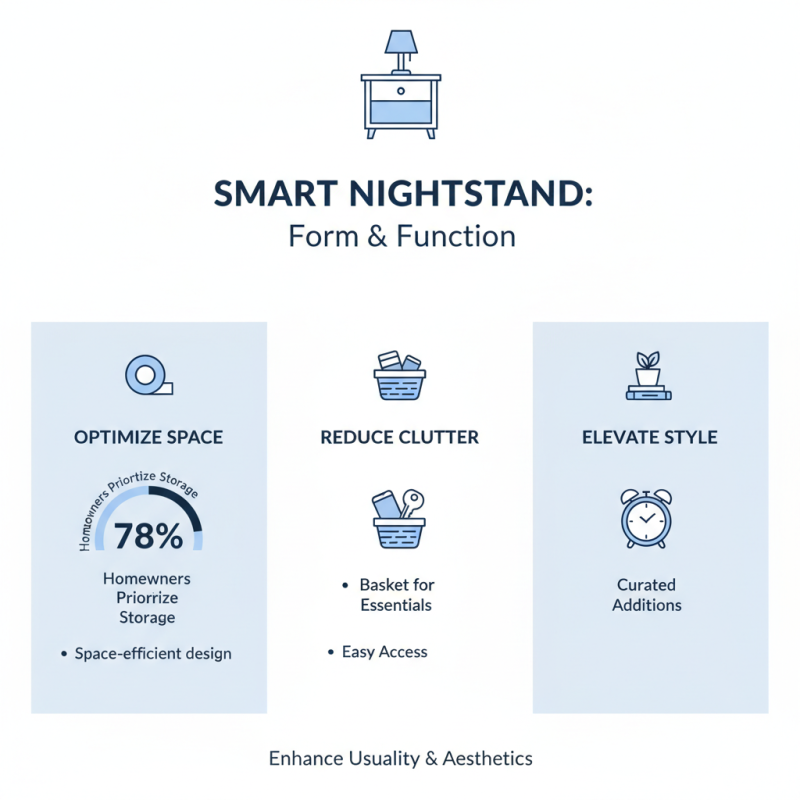
When accessorizing your nightstand, think about functionality and style. A space-efficient nightstand can transform your bedroom. According to recent studies, 78% of homeowners prioritize storage in bedroom furniture. Simple additions can enhance usability. For example, a small basket can hold miscellaneous items. This avoids clutter and makes essentials easy to access.
Lighting is another key consideration. Many experts recommend a compact lamp for nightstands. It provides necessary light without overwhelming the space. Creative options like a wall-mounted fixture can free up surface area, allowing for more decorative elements. A well-placed plant or a framed photo can add personality.
However, not every nightstand arrangement works perfectly. Some may find their space becomes overcrowded. The challenge lies in choosing pieces that serve dual purposes. Evaluate your needs. Ask yourself if an item enhances both function and aesthetics. Embrace the trial-and-error approach. Perfecting your nightstand requires time and reflection.