How to Choose the Right TV Table for Global Buyers?
Choosing the right Tv Table requires more than matching a room’s color scheme. Global buyers must assess size, stability, materials, safety, and shipping conditions. A beautiful unit may still fail if it cannot support a heavy television. It may also arrive damaged after a long sea journey.
Measure the television, wall, viewing distance, and available floor space before comparing products. The table should extend slightly beyond the screen’s width. Strong engineered wood, solid timber, or tested metal frames can provide dependable support. However, material quality varies greatly between suppliers. Ask for load test results, surface specifications, and clear assembly instructions.
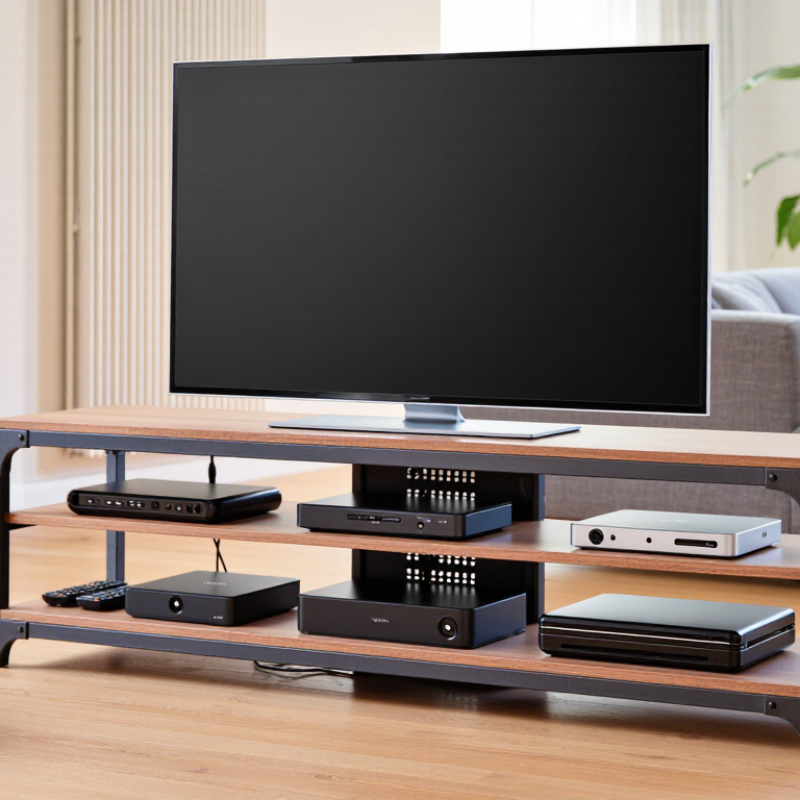
Cable management deserves practical attention. Rear openings should fit power cords, HDMI cables, and streaming devices without sharp bends. Ventilation space can reduce heat buildup around consoles. Families may prefer rounded corners, while compact apartments need shelves with efficient storage. These details often matter more than decorative finishes.
International purchasing also involves packaging, labeling, delivery terms, and regional electrical expectations. Confirm carton dimensions, protective foam, moisture resistance, and replacement-part policies. Request product photographs, inspection records, and samples when possible. A reliable manufacturer should answer specific questions without hiding limitations.
No checklist is perfect. Some buyers focus heavily on appearance and regret ignoring installation time. Others choose the lowest price and discover weak hinges or unstable legs. Comparing total cost, expected service life, and after-sales support creates a more realistic decision. The right Tv Table should look suitable, perform safely, and remain dependable across changing homes, markets, and viewing habits.
Define TV Table Types by 2023 Global TV Shipment Trends
Global buyers should define a TV table by shipment reality, not by appearance alone. TrendForce’s 2023 Global TV Shipment Report recorded approximately 201.2 million units, down 2.1% year on year. This softer market suggests practical furniture choices matter more. Buyers need adaptable tables for replacement purchases, smaller rooms, and mixed household budgets.
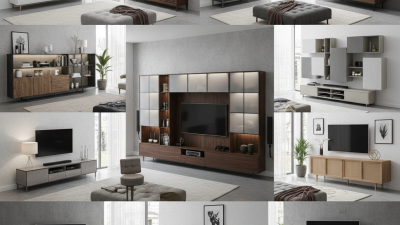
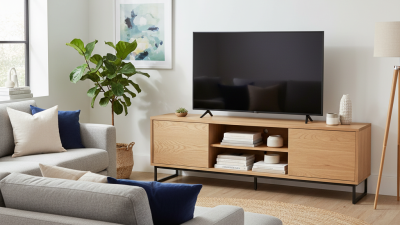
The first type is a compact TV console for mainstream screens.
Choose cable openings, adjustable shelves, and a top depth of at least 35 centimetres.
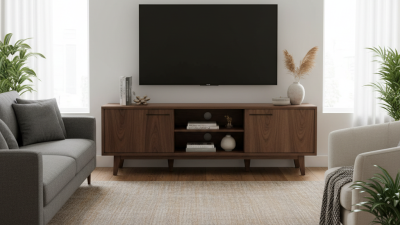
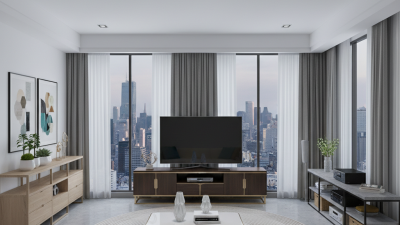
The second is a wide, reinforced console for larger displays.
Omdia’s 2023 television market analysis continued to track consumers moving toward bigger screen sizes, although the pattern differs by region. A 55- or 65-inch television needs balanced support, not just a fashionable low profile.
The third is a wall-mounted media table.
It suits floating screens and leaves visible floor space, but it still needs storage for streaming devices, controllers, and power equipment.
Measure the television base first. Then measure the wall, viewing distance, and walking path. A table that looks elegant online may block a door in a real apartment. That mistake is common. Shipment reports show product demand, but they cannot replace local room inspection. Buyers should also verify load capacity, ventilation space, anti-tip hardware, and material testing. The wrong table can wobble after a few months, especially on uneven flooring. “Universal fit” is often too optimistic.
Match Table Width and Viewing Distance to 30°–40° Viewing-Angle Rules
How to Choose the Right TV Table for Global Buyers?
A TV table should fit both the screen and the room’s viewing geometry. Measure from your seated eye position to the screen surface, not from the wall. Then check the horizontal viewing angle. A 30°–40° angle usually offers a comfortable balance between immersion and eye movement. The approximate formula is simple: viewing angle equals two times the arctangent of half the screen width divided by viewing distance.
For example, a 120-centimeter-wide screen viewed from 180 centimeters gives a viewing angle of about 37°. That distance works well for many living rooms. If the screen sits farther away, choose a wider display or adjust the seating position. A TV table should normally extend at least 10–15 centimeters beyond each screen side. Check the actual stand footprint too. Some legs spread wider than expected.
My own mistake was measuring only the television width. The feet later reached the table edges. It looked unstable, even though the table was technically large enough. A lower table can also keep the screen near natural eye level, reducing neck strain. In mixed-use rooms, leave space for speakers, ventilation, and remote controls. Room lighting matters as well. A perfect 35° angle still feels uncomfortable when sunlight reflects across the screen. Test the seating position with a tape measure before ordering. Small errors happen. Better measurements prevent expensive returns.
How to Choose the Right TV Table for Global Buyers? - Match Table Width and Viewing Distance to 30°–40° Viewing-Angle Rules
Planning basis: standard 16:9 screen ratio. Screen width is calculated as diagonal × 0.8716. Viewing distance is calculated from the horizontal viewing-angle formula: distance = screen width ÷ [2 × tan(viewing angle ÷ 2)].
| TV Diagonal |
Approx. Screen Width |
Distance at 40°
Closer position |
Distance at 30°
Farther position |
Recommended Table Width |
Typical Table Depth |
Suitable Room Planning |
| 43 in |
37.5 in / 95.2 cm |
4.28 ft / 1.31 m |
5.83 ft / 1.78 m |
46–54 in / 117–137 cm |
16–20 in / 41–51 cm |
Bedrooms, offices, and compact living rooms |
| 50 in |
43.6 in / 110.7 cm |
4.99 ft / 1.52 m |
6.78 ft / 2.07 m |
52–60 in / 132–152 cm |
16–20 in / 41–51 cm |
Small to medium living rooms |
| 55 in |
47.9 in / 121.8 cm |
5.49 ft / 1.67 m |
7.46 ft / 2.27 m |
56–64 in / 142–163 cm |
16–20 in / 41–51 cm |
Standard family living rooms |
| 65 in |
56.7 in / 143.9 cm |
6.48 ft / 1.98 m |
8.81 ft / 2.69 m |
64–72 in / 163–183 cm |
18–22 in / 46–56 cm |
Medium to large living rooms |
| 75 in |
65.4 in / 166.0 cm |
7.48 ft / 2.28 m |
10.16 ft / 3.10 m |
72–80 in / 183–203 cm |
18–24 in / 46–61 cm |
Large living rooms and media areas |
| 85 in |
74.1 in / 188.2 cm |
8.48 ft / 2.59 m |
11.52 ft / 3.51 m |
80–90 in / 203–229 cm |
20–24 in / 51–61 cm |
Large open-plan rooms and dedicated media rooms |
Selection guidelines: Choose a table at least 8–16 inches (20–41 cm) wider than the television to create approximately 4–8 inches (10–20 cm) of visible clearance on each side. Confirm the actual TV footprint, stand position, wall clearance, cable space, and the table’s rated load capacity before purchase.
Verify VESA Mount Patterns and 4K UHD Resolution Standards
How to Choose the Right TV Table for Global Buyers?
When choosing a TV table with a built-in mount, verify the VESA pattern first. VESA describes the distance between the mounting holes on the television’s rear panel. Measure horizontally and vertically in millimeters. Common patterns include 200 × 200, 400 × 200, and 400 × 400, but sizes vary widely. Do not rely on screen size alone. Check the television manual and the table’s mounting range. The screws must also match the required diameter and length. A wrong screw can damage internal components. It sounds simple, yet many buyers overlook it.
The table should support the television’s total weight, including accessories. Leave enough clearance for ventilation, power cables, and external devices. For a 4K UHD television, confirm that the display supports 3840 × 2160 resolution. The viewing source must provide 4K content too. Otherwise, the screen may show less detail than expected. Check available HDMI inputs, supported refresh rates, and compatibility with high-bandwidth 4K signals. Specifications can be confusing.
I once treated a universal mount as truly universal. It was not. The pattern fit, but the frame blocked the lower ports. That mistake changed my inspection process. Now, I compare the VESA diagram, weight rating, screw depth, and port positions before purchasing. Buyers should also review local electrical requirements and assembly instructions. Standards help, but careful measurement remains more reliable. A second measurement is worthwhile.