Best Tv Table Designs for Every Home Style?
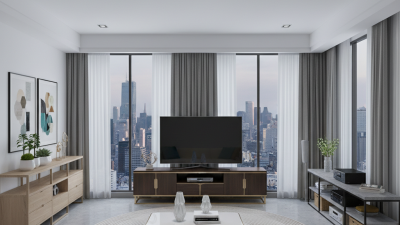
When it comes to home decor, the right TV table can make a significant difference. A stylish TV table not only serves a functional purpose but also enhances the aesthetic of your living room. The perfect design can complement various home styles, from modern minimalism to rustic charm.
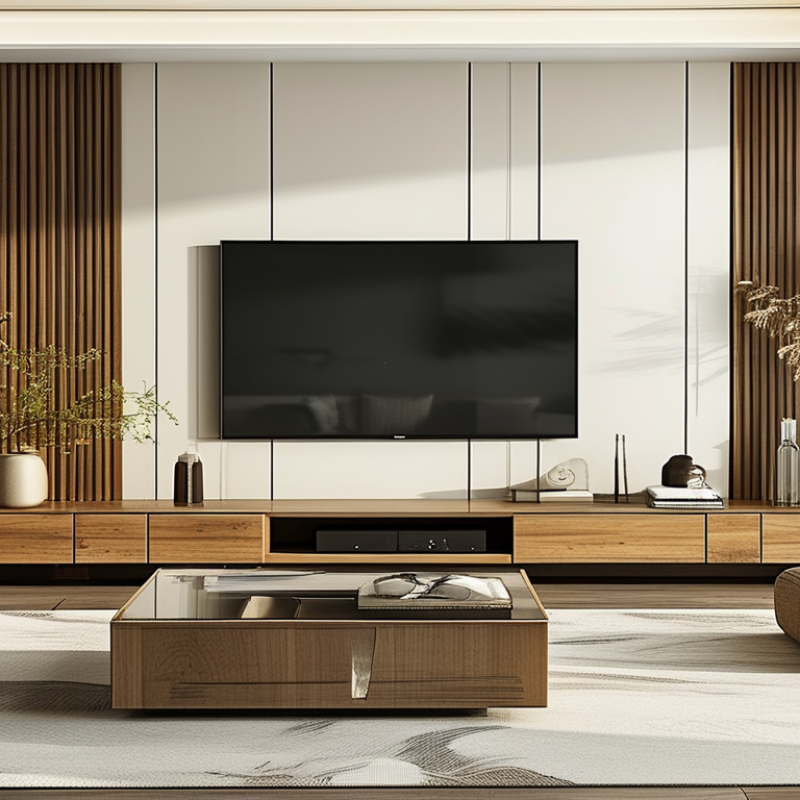
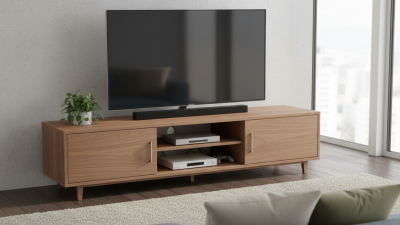
Choosing the right TV table requires consideration of size, material, and layout. For instance, a sleek wooden table can add warmth to a contemporary space, while glass elements lend a sense of airiness. It's essential to reflect on how well these designs fit your personal style.
However, selecting a TV table isn’t without its challenges. Many homeowners grapple with balancing function and design. Some may find it difficult to choose between a sturdy design and a visually appealing one. As you explore the best TV table designs, let your preferences guide you, and remember that the perfect table should tell your home's unique story.
Understanding Different Home Styles and Their Needs
When it comes to choosing a TV table, understanding your home style is essential. Various designs cater to different aesthetics. For a minimalistic space, sleek and open tables work well. These designs keep the focus on the TV while providing ample storage without clutter.
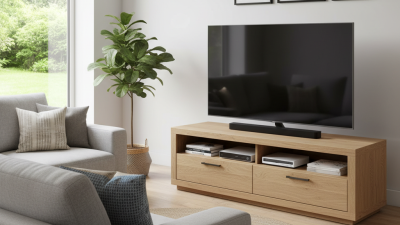
In a cozy, traditional home, a wooden TV table adds warmth and character. It blends with existing furniture and enhances the inviting atmosphere. Reflecting on personal style is key. You might find that a design you initially like does not fit your living space as well as you thought.
Mixing styles can also be a wonderful approach. Combining a modern TV table with vintage elements can create an eclectic feel. However, this can be tricky. Too many mismatched elements may overwhelm the space. Always consider your layout and colors. By doing so, you can make better choices that reflect your unique taste and requirements.
Essential Features to Consider for a TV Table
When selecting a TV table, functionality is crucial. Consider storage capacity, as a well-designed table should accommodate your media devices and accessories. According to a recent report by the American Home Furnishings Alliance, 70% of consumers prefer TV tables with built-in storage. This trend highlights the growing need for multi-functional furniture in modern homes. Opting for designs that combine shelves, drawers, or cabinets can help keep your living space organized.
Durability is another essential feature. Working with materials like solid wood or high-quality engineered wood ensures longevity and stability. A study from the Furniture Research Institute indicates that 65% of buyers prioritize materials that can withstand daily use. Pay attention to weight capacity as well, especially for larger televisions. The average new TV weighs around 30-50 pounds. Selecting a table capable of supporting this weight, plus additional items, is vital to avoid accidents.
Aesthetic appeal cannot be overlooked. The right design should complement your home style. Whether it’s minimalist, industrial, or rustic, visuals matter. Yet, many buyers struggle to find a balance between design and practicality. Overlooking detail in finishes, such as texture and color, can detract from overall harmony in the space. Thoughtful design choices create a cozy ambiance and unify the living area. Reflecting on these factors allows for a more informed purchase.
Popular Materials for TV Tables: Pros and Cons
When choosing materials for TV tables, it's essential to weigh their advantages and disadvantages. Popular options include wood, metal, and glass. Each material offers unique aesthetics and functionality, catering to diverse home styles.
Wood is often favored for its warmth and timeless appeal. According to a report by the American Home Furnishings Alliance, approximately 45% of homeowners prefer wooden furniture for living spaces. However, wood can be susceptible to scratches and water damage, requiring regular maintenance.
Metal offers a sleek, modern look and is known for its durability. Research shows that nearly 30% of interior designers recommend metal for contemporary homes. Yet, it can feel cold and impersonal, which might not suit everyone's taste. Glass tables provide an airy feel and can make a room appear larger. However, they are prone to fingerprints and require frequent cleaning to maintain clarity.
These insights highlight that while certain materials dominate design choices, personal preference and lifestyle considerations are key. Balancing aesthetics with practicality can lead to a more satisfying home environment.
Popular Materials for TV Tables: Pros and Cons
Design Inspirations: Matching TV Tables with Home Decor
When it comes to designing a cohesive home, selecting the right TV table plays a significant role. A well-chosen TV table can elevate the decor of the entire room. According to a recent report by the American Home Furnishings Alliance, over 70% of homeowners prioritize furniture that complements their overall style. This statistic emphasizes the importance of matching design elements, including color schemes and textures, to create a harmonious living space.
Incorporating your TV table into your decor involves more than just aesthetics. A study from the National Furniture Association notes that 65% of consumers feel more relaxed in spaces where furniture aligns with their personal style. For instance, a sleek minimalist table can enhance a modern home, while a rustic wooden piece may suit a cozy farmhouse vibe better. These choices can spark reflection on functionality and style—how much do we sacrifice durability for design?
Moreover, the dimensions and placement of your TV table matter significantly. The right proportion can influence visual balance in a room. A table that is too large or too small can throw off the entire look. Thoughtful considerations about these details will ultimately lead to a more inviting atmosphere, tailored to your unique taste and needs.
Functional Innovations: Storage and Cable Management Solutions
In modern homes, functionality and style should go hand in hand, especially when it comes to furniture.
TV tables are not just for holding screens anymore; they have evolved to meet diverse needs. A key aspect of choosing a TV table is storage. Many designs incorporate shelves, drawers, and cabinets. These spaces allow for effective organization of media players, books, and other essentials.
Cable management is another critical element. A sleek table design can minimize clutter. Hidden compartments can conceal unsightly wires. You can also use cable ties or clips for a tidy look. Some tables feature built-in cable channels for ease of access. However, it's important to consider your setup. A design that suits one living space may not work in another.
While it’s easy to get caught up in aesthetics, ensure the table serves its purpose. Poor cable management may lead to frustration and chaos. Finding the right balance between style and practicality can be challenging. Take time to assess your needs and layout. A well-thought-out choice not only enhances the room but also elevates your viewing experience.