How to Choose the Perfect Nordic Coffee Table for Your Home?
Choosing the perfect Nordic Coffee Table for your home involves more than aesthetics. This furniture piece plays a crucial role in living spaces. Research indicates that 78% of homeowners prioritize functionality when selecting furniture. A coffee table must offer beauty and practicality.
Nordic design emphasizes minimalism and functionality. According to a recent industry report, Scandinavian furniture sales have surged by 35% over the past year. Buyers seek simplicity and elegance in their living areas. A well-chosen Nordic Coffee Table not only serves as a centerpiece but can enhance the overall ambiance of your space.
However, finding the right table requires careful consideration. Think about size, materials, and style. Many consumers overlook these factors, leading to dissatisfaction. An informed choice will reflect your unique taste while fitting seamlessly into your home. A truly perfect Nordic Coffee Table should be both an expression of your style and a practical addition to your daily life.
Understanding the Characteristics of Nordic Coffee Tables in Design
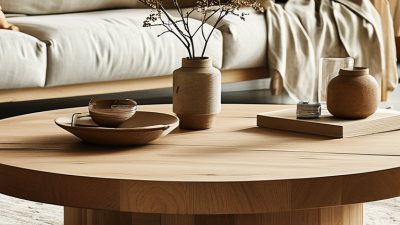
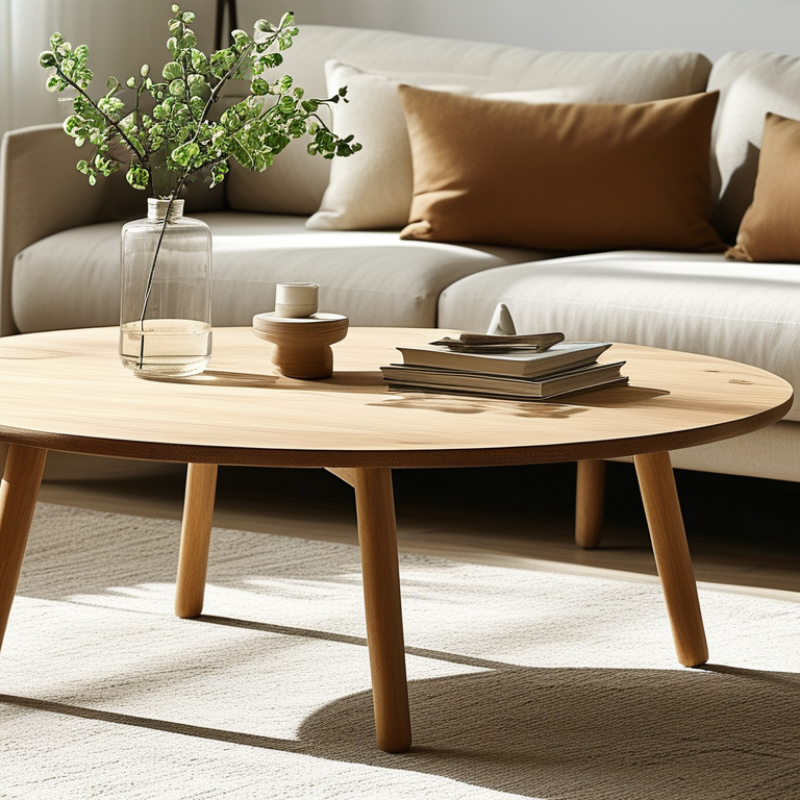
Nordic coffee tables are known for their clean lines and minimalistic design. Their aesthetic blends seamlessly with various styles. They often feature natural materials like wood and metal. This choice not only enhances durability but also brings warmth to your living space. The simplicity of these tables encourages a clutter-free look. Each piece often displays craftsmanship, highlighting the beauty of understated design.
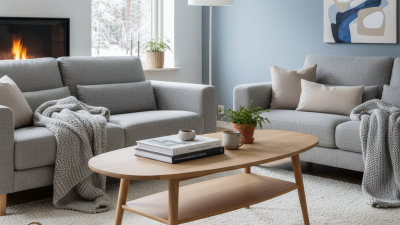
When choosing a Nordic coffee table, consider its function. Is it purely decorative, or will it serve as a storage solution? Some tables come with added shelves or drawers, which can be quite practical. Pay attention to height and size. A well-proportioned table ensures comfort and accessibility. Pairing it with the right seating can elevate the overall room dynamics.
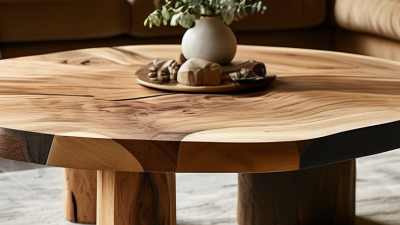
The color palette is another essential aspect. Light woods and neutral tones create a bright, airy ambiance. Darker finishes add sophistication but may require a lighter surrounding. It's worth noting that imperfections in natural wood can enrich the table's character. Reflecting on the space where it will be placed is vital. This thought process can inform your decisions, making sure the table enhances your home's essence.
Key Materials Used in Nordic Coffee Tables: A Comparative Analysis
When selecting the right Nordic coffee table for your home, the choice of materials is crucial. Popular materials include solid wood, plywood, and metal. Solid wood, like oak or beech, offers durability. They age beautifully, developing character over time. However, they may be more expensive and require regular maintenance.
Plywood is often lighter and more affordable, but it may lack the same longevity.
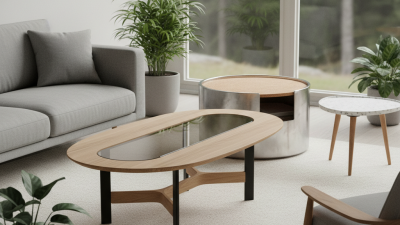
Metal also plays a significant role in Nordic designs. It adds a modern touch. You might find tables with metal frames paired with wooden tops. This combination offers a contrast, enhancing the overall aesthetic. However, metal can scratch easily and may require careful handling.
Consider your lifestyle. A family with kids might prioritize durability over aesthetics. Consider how each material complements or clashes with your existing décor. Filling your space with the perfect Nordic table involves thoughtful consideration of materials and design elements. Each choice shapes the room's atmosphere in profound ways.
Sizing Considerations: How to Measure Your Space for a Perfect Fit
Choosing the right size for a Nordic coffee table can be tricky. Accurate measurements make a big difference in achieving a harmonious look. According to the American Home Furnishings Alliance, the average living room space is around 200 square feet. A coffee table should ideally occupy 18% of this area. This guidance can help avoid overcrowding.
When measuring your space, consider the distance between your coffee table and seating. A good rule is to maintain 18 to 24 inches. This allows for easy movement. If your table is too small, it will disrupt the flow. If it’s too large, it can make the area feel cramped.
Tip: Use painter’s tape to mark the table dimensions on the floor. This visual aid will help you gauge fit and flow. Don't forget about your style. Not every size fits every aesthetic. Assess the height as well. A table too low may lead to awkward seating. Pay attention to your needs. Reflect on functionality versus style preferences.
Color Schemes and Finishes: Enhancing Home Aesthetics with Nordic Tables
Choosing the right color scheme and finish for your Nordic coffee table can profoundly impact your home's aesthetics. Nordic design often emphasizes minimalism and functionality, making color choices crucial. Light woods, like birch or beech, can create a warm and inviting atmosphere. Alternatively, darker finishes, such as walnut or oak, can add sophistication and depth to a space. According to industry reports, 72% of homeowners believe that a well-chosen color scheme significantly enhances their living environment.
When considering finishes, matte textures can evoke a sense of calm, while glossy surfaces might reflect light and make a space feel larger. However, it’s worth noting that glossy finishes can show fingerprints easily, requiring more maintenance. A survey conducted by a design consultancy revealed that 65% of people prefer matte finishes for everyday furniture due to their practical benefits.
Balancing aesthetics with practicality is crucial. A striking table may draw attention but must also complement your overall decor style. An ill-fitting piece, regardless of its beauty, can disrupt the harmony of your space. Therefore, selecting the right Nordic coffee table requires reflection on both its visual appeal and functional attributes.
Price Ranges and Budgeting Tips for Quality Nordic Coffee Tables
When considering a Nordic coffee table, budgeting is essential. Quality tables typically range from $500 to $2,000. A recent report by the National Home Furnishings Association indicates that consumers increasingly seek value over brand. This shift supports investing in handcrafted items, boosting local artisans.
In the mid-range, expect to spend between $700 and $1,200 for solid wood options. It's crucial to examine materials. A well-constructed piece should feature durable finishes, often overlooked in cheaper models. Avoid tables that compromise on quality, especially those under $500, as they may lack longevity.
Choosing a coffee table can be daunting. Set a realistic budget before shopping. Take time to review materials and craftsmanship. You may find that a slightly higher cost can yield significant benefits in durability and aesthetic appeal. Remember, a beautiful table is an investment in your living space. It should enhance both enjoyment and functionality.
Price Ranges of Nordic Coffee Tables