2026 Top Wood Coffee Table Trends Buyers Should Know?
In the world of interior design, the Wood Coffee Table stands out as a versatile centerpiece. This year, buyers should be aware of the latest trends that can enhance their living spaces. As more homeowners seek unique designs, the wood coffee table is evolving to meet new aesthetics and functional needs.
Diverse styles are emerging in 2026, from rustic to modern. Many are choosing reclaimed wood for its sustainability and character. Others prefer sleek, minimalist designs that complement contemporary decor. The textures and grains of wood add warmth to any room. At the same time, finding the right piece can be challenging.
It’s essential to consider how these trends reflect personal style. Some tables might not fit well with existing furniture. It's important to visualize the total space before making a purchase. Balancing beauty and utility is key. The right wood coffee table can spark joy and conversation while serving practical purposes.
Emerging Designs in Wood Coffee Tables for 2026
The wood coffee table market is evolving rapidly. Emerging designs for 2026 focus on sustainability and minimalism. Many buyers now prefer eco-friendly materials, reflecting a growing awareness of environmental impact. According to a recent report by Grand View Research, the global wood furniture market is projected to reach $650 billion by 2026. This growth indicates a shift in consumer preferences towards artisanal and responsibly sourced pieces.
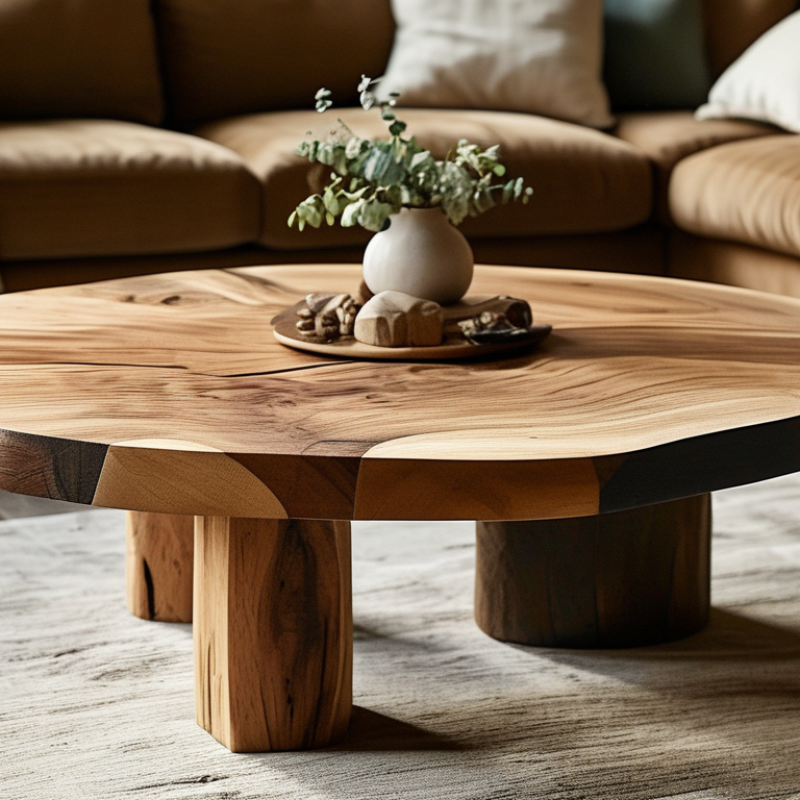
Natural finishes are becoming increasingly popular. Live edge tables showcase the wood's organic shape, celebrating its unique character. A study from the American Home Furnishings Alliance revealed that over 70% of consumers value authenticity in furniture design. There is also a noticeable trend towards multifunctional tables, catering to smaller living spaces. This reflects a need for practicality without compromising style.
Yet, these trends are not without challenges. The rise of online shopping can sometimes lead to misrepresentation. Buyers may find it difficult to gauge quality from photos alone. The emphasis on sustainability also raises questions about sourcing practices. As the market grows, consumers must remain vigilant about the origins of their furniture. Embracing these trends means navigating a complex landscape of choices and educating oneself on what truly defines quality.
Sustainable Materials: Eco-Friendly Choices for Coffee Tables
Sustainable materials are shaping the wood coffee table market. Eco-friendly choices are crucial for conscious buyers. Many opt for reclaimed wood, reducing waste and preserving forests. This material tells a story; each tabletop carries unique character marks.
Manufacturers are also exploring bamboo. This fast-growing plant is renewable and sturdy, making it a great addition to any living space. However, not all bamboo products are created equal. Ensuring ethical sourcing is vital. Transparency in the supply chain can be lacking, raising questions for buyers about the true "eco-friendliness" of their purchase.
Natural finishes have gained popularity, too. These finishes reduce harmful VOC emissions, creating safer indoor environments. While appealing, they often require more maintenance, which might deter some buyers seeking low-maintenance options. Balancing aesthetics with sustainability can lead to unexpected challenges.
Color Trends: Popular Wood Finishes for Modern Interiors
As we look ahead to 2026, wood finishes are evolving in exciting ways, particularly for coffee tables. Many modern interiors embrace natural and warm tones, creating cozy atmospheres.
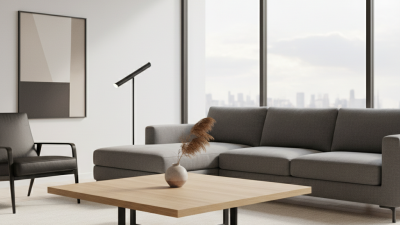
Light oak, with its soft hues, meets this trend well. It offers an airy feel that brightens up living spaces. On the other hand, deep walnut finishes add a rich, luxurious touch. Such contrasts work beautifully in diverse design schemes.
Grays are making a statement, too. Shades like driftwood and weathered gray can bring a contemporary edge. These finishes work effectively in minimalist or industrial spaces, highlighting their clean lines. However, there are challenges with pairing these tones. The key is balance. Too many cool tones can make a room feel cold. Therefore, it’s essential to mix in warmer accents, ensuring harmony.
There’s a growing interest in unique textures, such as reclaimed wood. This trend adds character and history to interiors. Each piece tells a story, inviting reflection on the past. Yet, finding the perfect reclaimed wood isn't straightforward. Variability in quality can be troublesome. Buyers must carefully evaluate each piece to ensure it meets their standards and complements their decor.
Functional Features: Innovative Storage Solutions in Coffee Tables
In 2026, buyers are increasingly seeking coffee tables that combine aesthetics with innovative storage solutions. Functional features in furniture design have become essential. According to a recent industry report, 62% of consumers prioritize multifunctionality when purchasing home furnishings.
Coffee tables now often feature hidden compartments and drawers. This design approach maximizes space in smaller living areas. For example, lift-top tables allow for easy access to storage while providing a surface for snacks or work. Many consumers find these solutions blend style with practicality, creating a cohesive environment in their homes.
However, not all designs meet user needs. Some tables, though beautiful, lack sufficient storage or accessibility. There is a growing gap between aesthetic appeal and functionality. Buyers should take the time to evaluate both elements carefully. Research shows that only 38% of consumers feel satisfied with their current coffee table choice. This dissatisfaction highlights the importance of thoughtful design and user feedback in developing future trends.
Blending Styles: Mixing Traditional and Contemporary Designs
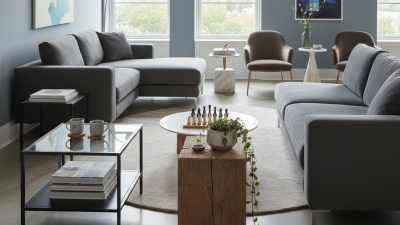
Blending styles in home decor has become increasingly popular. Combining traditional and contemporary designs can create a unique aesthetic. When considering a wood coffee table, think about how these elements can work together. Imagine a classic wooden table with modern metal accents. This fusion can add character to the living space while ensuring functionality.
The right color palette plays a crucial role. Pair warm wood tones with cool, sleek colors. This contrast adds depth and visual interest. Incorporate textures as well. A smooth wood surface balances well with a plush area rug or textured throw blankets. It’s essential to find harmony between these varying styles.
Tips: Don’t be afraid to mix different leg styles. A table with tapered legs can soften the look of bulky sofas. Consider scale as well. A table that is too large can dominate a space and throw off the balance. Always measure your area before making a purchase. Take photos of your space to visualize how a new piece will fit in. This blends traditional charm with a fresh, contemporary twist, while ensuring the design remains functional and cohesive.
2026 Top Wood Coffee Table Trends Buyers Should Know
| Trend |
Description |
Materials |
Design Styles |
Color Palette |
| Sustainable Materials |
Focus on eco-friendly and sustainably sourced wood. |
Reclaimed wood, bamboo, and certified hardwoods. |
Modern, Rustic |
Natural tones, earth colors |
| Mixed Media |
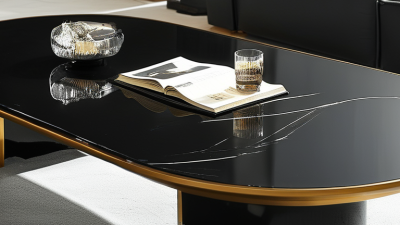
Combining wood with metal, glass, or stone elements. |
Solid wood, metal accents, glass tops. |
Industrial, Contemporary |
Monochrome, Metallics |
| Geometric Shapes |
Tables with unique geometric cuts and designs. |
Plywood, solid hardwood. |
Modern, Minimalist |
Bold colors, Soft pastels |
| Convertible Designs |
Tables that can be adjusted for height or expanded. |
Engineered wood, solid wood. |
Functional, Contemporary |
Warm wood tones, Soft neutrals |
| Traditional Craftsmanship |
Emphasis on classic joinery techniques and detailed finishes. |
Mahogany, walnut, oak. |
Traditional, Transitional |
Rich stains, Deep colors |