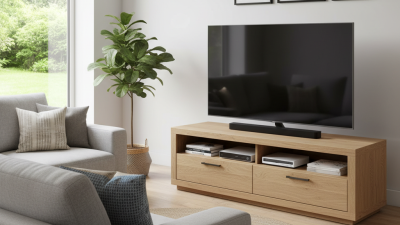
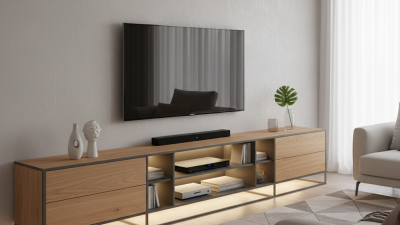
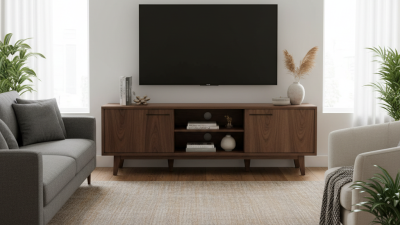
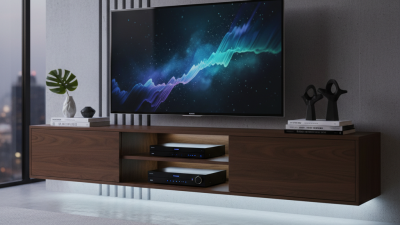
What is a Modern Tv Stand and Why You Need One?
In the world of home design, a Modern TV Stand plays a crucial role. Renowned interior designer Emily Jones once said, “A TV stand is not just a piece of furniture; it’s the centerpiece of your living space.” This statement encapsulates the essence of what a well-chosen Modern TV Stand can do.
These stands blend functionality with style. They provide storage for media devices and enhance the visual appeal of a room. However, not all TV stands are created equal. A poorly chosen piece can clutter your space and distract from your decor. It's essential to choose a design that complements your interior while serving practical needs.
Color, material, and size matter significantly when selecting a Modern TV Stand. A stand should fit your television and the available space. An oversized stand can make a room feel cramped. On the other hand, a small stand can lack presence and utility. Ensuring balance is key. Ultimately, investing in a quality Modern TV Stand is an investment in your home’s overall aesthetic and functionality.
What Defines a Modern TV Stand in Contemporary Furniture Design
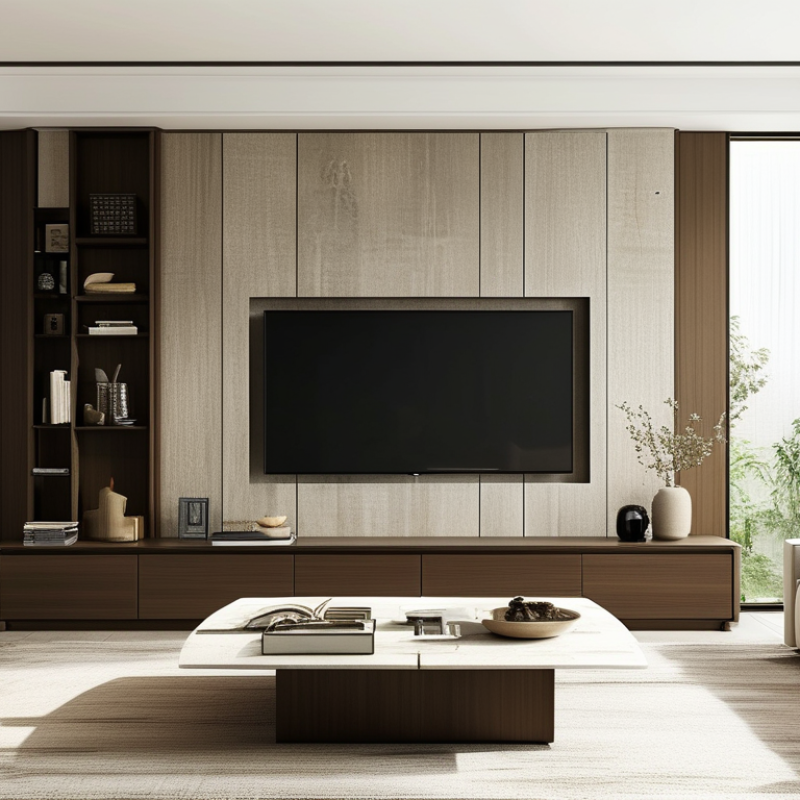
A modern TV stand is a vital element in contemporary living spaces. It typically showcases sleek lines, minimalist aesthetics, and functionality. Designers emphasize open shelving, which promotes air circulation and displays decor. A recent industry report highlighted that 75% of consumers prioritize style alongside functionality in furniture choices. This shift indicates a strong preference for stands that blend seamlessly with existing decor.
Materials play a crucial role in defining modern TV stands. Many utilize pressed wood, glass, and metal finishes, resonating with a clean, sophisticated look. According to research from the Furniture Today report, about 60% of buyers prefer stands that are easy to maintain and strong. This reflects an increasing demand for durability paired with trendy designs. However, some consumers may overlook essential features like cable management, which can lead to clutter and reduced visual appeal.
Choosing the right TV stand can be daunting. With so many designs available, it’s easy to feel overwhelmed. Additionally, consumer preferences are evolving. Features once deemed non-essential, like built-in LED lighting, are now gaining traction. This evolution poses a challenge – not every stand offers all desired features. Reflecting on personal needs and space constraints is essential. In this fast-changing market, thoughtful selection is vital for achieving both utility and aesthetic harmony.
Key Features of Modern TV Stands: Style, Functionality, and Design Trends
Modern TV stands have evolved to blend aesthetics with functionality. They serve as focal points in contemporary living spaces. When selecting a TV stand, consider style, material, and size to complement your home. A sleek, minimalist design can enhance a room’s ambience while keeping valuable space open. Many modern stands utilize open shelving to display décor items, creating a curated look.
Functionality is also essential. TV stands often feature cable management systems, hiding unsightly wires. Some models offer additional storage, including drawers and cabinets. This helps keep remotes and media organized. Additionally, adjustable heights cater to different viewing preferences. The right height improves comfort during movie nights or gaming sessions.
Design trends reflect a shift towards sustainable materials and bold colors. Expect to see elements like reclaimed wood and metal accents, merging durability with style. However, it's important to balance trends with personal taste. What looks good now may not suit your aesthetic later. Finding that equilibrium is key.
The Importance of TV Stand Height: Optimal Viewing Angles and Comfort
Choosing the right height for your TV stand is crucial for an optimal viewing experience. According to a study by the American Optometric Association, the average eye level for sofa seating is about 42 inches from the ground. A TV should be positioned so that the center of the screen aligns with this height. This helps reduce neck strain and eye discomfort, improving overall comfort during extended viewing sessions.
Moreover, research indicates that a properly positioned TV can enhance image clarity and color perception. A 2021 report published in the Journal of Vision found that viewing angles significantly affect visual satisfaction. In essence, a TV stand that allows for the appropriate height can make a remarkable difference. Paying attention to these details might seem trivial. Yet, neglecting them can lead to long-term discomfort or dissatisfaction.
Many modern TV stands offer adjustable heights or modular designs. Such features cater to individual preferences and room layouts. In some cases, sticking to a static height may not accommodate varying viewer heights or furniture arrangements. This flexibility can prove essential for families or shared living spaces. Crafting a tailored home entertainment environment ensures that everyone can enjoy cinematic experiences without physical strain.
Material Choices for Modern TV Stands: Durability and Aesthetic Appeal
When selecting materials for a modern TV stand, durability and aesthetics are crucial. Wood is a popular choice, providing warmth and elegance. Solid wood offers longevity but may be more expensive. Composite materials, like MDF, can mimic the appearance of real wood while being more budget-friendly. Metal accents can add a contemporary flair, offering strength and resilience. It’s essential to balance form and function in design.
Glass surfaces bring an airy feel to a living space. However, they require maintenance to keep them looking pristine. Dust and fingerprints can quickly become noticeable. Balancing the aesthetic appeal with the need for practicality is a challenge. Choosing materials that resonate with your home décor while standing the test of time is key.
Additionally, consider your lifestyle. If you have kids or pets, scratching or spills might be a concern. Some materials might not withstand such wear. Reflect on your choices to ensure they align with your everyday life. Each material has its strengths and weaknesses that must be weighed carefully.
Statistics on Consumer Preferences and Market Trends for TV Stands
In recent years, consumer preferences around TV stands have shifted significantly. A survey found that over 70% of buyers prioritize aesthetics when choosing a stand. Many now seek multi-functional furniture that enhances their living spaces. This interest reflects a broader trend towards minimalism and practical design. Modern TV stands are often sleek, combining style with storage. They cater to evolving home decor needs.
Interestingly, statistics show a growing number of consumers value eco-friendly materials. About 35% prefer stands made from sustainable resources. This eco-conscious mindset demonstrates a commitment to environmental responsibility. Yet, only 20% report discussing these preferences with sales agents. This gap highlights a need for better communication and education in the market.
Market trends indicate that online purchases are increasingly common. Nearly half of consumers buy furniture online. However, this shift presents challenges. Shoppers often find it difficult to assess quality without a hands-on experience. Consequently, many are left questioning their decisions. Quality assurance becomes crucial in a digital landscape. Buyers need reliable information to make informed choices.