2026 How to Choose the Perfect Minimalist Center Table for Your Home?
When considering a Minimalist Center Table, expert designer Sarah Jensen emphasizes, "Less is often more in functional design." This statement captures the essence of minimalist furniture, which focuses on simplicity and purpose. A Minimalist Center Table should not just be an aesthetic piece; it must serve a function in your living space.
Choosing the right table involves understanding your room’s layout and style. A well-chosen Minimalist Center Table can enhance the flow of the room while also serving as a statement piece. Consider materials like wood or metal that blend with your existing decor. The dimensions should balance well with your seating to avoid a cramped feel.
However, many lose themselves in trends or styles. Reflecting on personal needs is crucial. What purpose does the table serve? Is it functionality or beauty that takes precedence? Striking the right balance can be challenging. Embrace the imperfections in your decision-making. Each choice should resonate with your lifestyle while complementing the minimalist ethos.
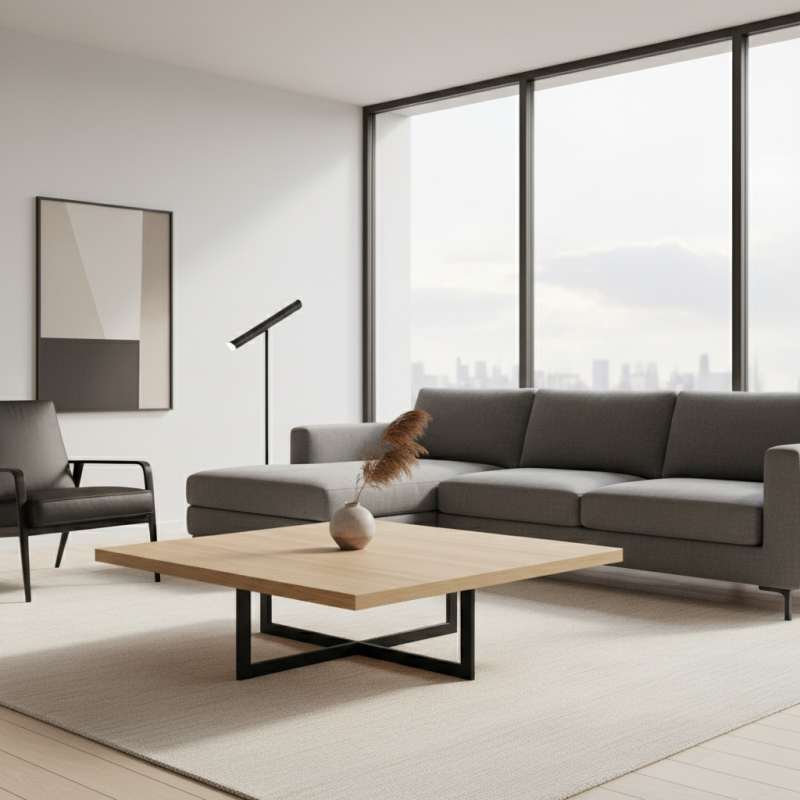
Essential Considerations for Choosing a Minimalist Center Table
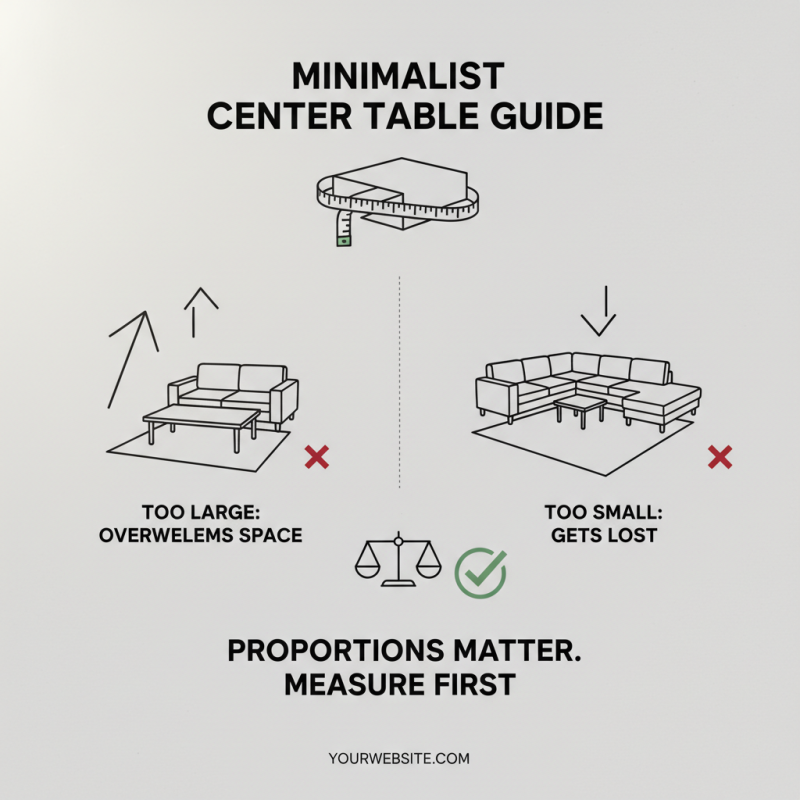
Choosing the perfect minimalist center table can transform your living space. Start with the size. Measure your area before you shop. A table that is too large can overwhelm a room. Conversely, a table that's too small may seem lost. Proportions matter significantly in minimalist design.
Next, consider the material. Wood, glass, or metal each bring unique vibes. A wooden table may add warmth, while glass offers a sleek look. Think about durability too. Some materials may scratch or stain easily. Reflect on how you will use the table. Will it hold books, drinks, or decor? Functionality should not be overlooked.
Lastly, color plays a crucial role. A neutral palette maintains a clean aesthetic. However, don’t shy away from a bolder statement. Just ensure it aligns with your broader color scheme. The journey of selecting a table can be challenging. You may feel stuck between choices. Embracing imperfection can lead to surprising inspiration. Trust your instincts and envision how each option fits into your space.
Understanding Different Materials for Minimalist Center Tables
When choosing a minimalist center table, materials play a crucial role. Common choices include wood, glass, and metal. Each material has its unique aesthetic and functional characteristics. According to a recent industry report, wood remains the most popular material, accounting for 40% of center table sales. It offers warmth and texture, perfect for cozy interiors. However, wood can be susceptible to scratches and water damage, requiring regular maintenance.
Glass tables create a sleek look and can make spaces feel larger. They often reflect light, enhancing the ambiance. Statistics show that glass center tables are favored in modern home designs, making up nearly 30% of the market. Nevertheless, they may require frequent cleaning to remain spotless. Fingerprints and dust are easily visible. Consider pairing a glass tabletop with a solid base for added stability and style.
Metal tables bring an industrial feel to spaces. They are durable and easy to clean but may lack the warmth of wood. This material is preferred by 25% of consumers seeking contemporary designs. One downside is that metal can be susceptible to temperature changes, which might affect its integrity over time.
Tips: Always assess your lifestyle before selecting a material. If you have kids or pets, consider durability and cleaning ease. For those who often entertain, try using a glass table; its reflective quality enhances the atmosphere.
Evaluating Size and Proportions in Your Living Space
When choosing a minimalist center table, size and proportions play crucial roles. The table should fit the scale of your living space. A small apartment requires a compact design. An oversized table can overwhelm the room. Measure the area before making a decision.
Consider the height and width of the table. It should complement your seating options. A low table next to a high sofa might look awkward. The visual balance is essential. Think about your daily activities. Will you eat or work at the table? Its function influences the ideal size.
Don't rush the selection. Sometimes, what seems perfect initially may not be right after reflection. A table that looked great in a store can feel out of place at home. Live with the space for a while. Notice how the light interacts with the table and the room's flow. The right piece should enhance the space, not clutter it.
2026 Minimalist Center Table Size Evaluation
Design Styles That Complement Minimalist Center Tables
When selecting a minimalist center table, design compatibility is crucial. A Scandinavian style often pairs beautifully with these tables. Its clean lines and functional beauty enhance the simplicity of minimalist designs. According to a recent report, 70% of modern homeowners prefer Scandinavian designs for their living spaces. The use of light woods and neutral colors allows a minimalist center table to stand out without overwhelming the room.
Mid-century modern design also complements minimalist tables well. This style emphasizes organic shapes and vibrant colors. However, blending these two styles can be tricky. It’s essential to balance colors and materials. For instance, a deep walnut table contrasts sharply with pastel seating, but may clash with other elements. Studies show that mismatched styles can lead to a less cohesive appearance in 55% of homes.
Industrial designs offer another interesting match. Raw materials and unfinished edges can create alluring contrasts with sleek, minimalist tables. This combination fosters a unique charm. Yet, it can feel chaotic if not executed thoughtfully. The key is to ensure harmony—both styles require careful selection. Too many bold elements can saturate the space, making it difficult to achieve that minimalist feel. Reflections on personal preferences often reveal that simplicity is sometimes more challenging than expected.
Tips for Maintaining and Caring for Your Minimalist Center Table
Caring for a minimalist center table requires attention to detail. Regular maintenance can extend its life. Dusting weekly keeps surfaces clean. Use a soft cloth to avoid scratches. This simple act can reduce wear.
Many homeowners overlook the impact of sunlight. Direct exposure can fade finishes. Consider repositioning your table or using curtains. A study indicates that 30% of furniture damage comes from sunlight. Being proactive protects investments.
Spills happen, and they need quick action. Blot, don’t wipe. Different materials require varied cleaning approaches. Water rings on wood can be problematic. Consider using coasters to minimize risk. Reflect on how habits affect your furniture's lifespan. Personal routines matter.