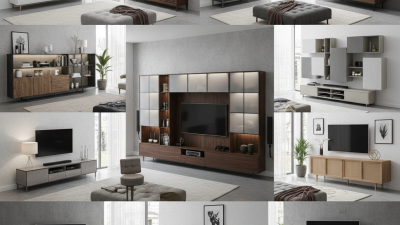
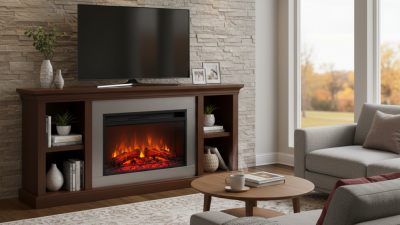
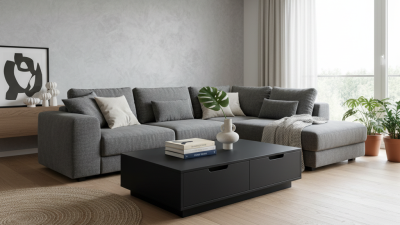
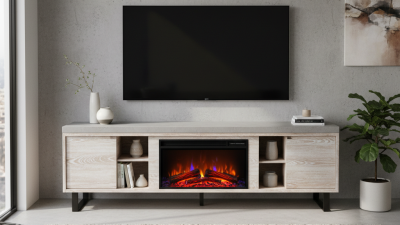
10 Essential Tips for Choosing the Perfect TV Cabinet for Your Home?
Choosing the right TV cabinet can transform your living space. According to interior design expert Sarah Bennett, “A well-chosen TV cabinet not only holds your television but also enhances your home’s style.” This highlights the importance of assessing both function and aesthetics in your selection.
When selecting a TV cabinet, think about size and style. Measure your space accurately and consider how the cabinet will fit in your room. A cabinet that is too large can overwhelm a small area, while a tiny one may look lost in a spacious room. Also, the design should match your existing décor—modern, rustic, or classic.
Functionality matters significantly. Look for cabinets that offer storage and cable management. You want a clutter-free look in your living area. Sometimes, the perfect TV cabinet may not exist; consider custom options for a unique fit. Remember, your choice can be a point of pride or a source of regret, so take time to reflect and choose wisely.
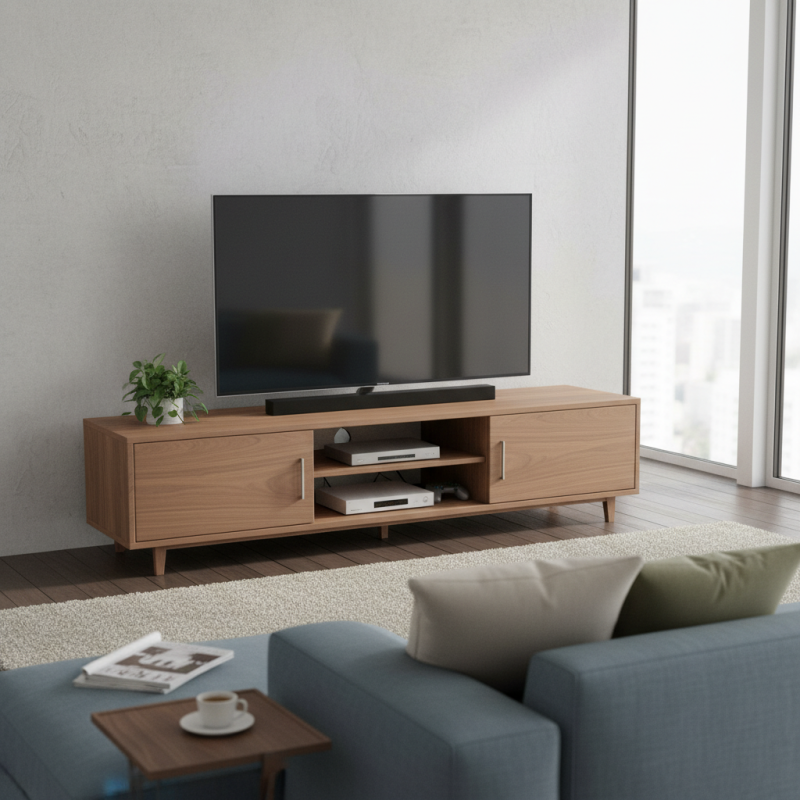
Understanding Your Space: Measuring for the Perfect TV Cabinet
When selecting a TV cabinet, understanding your space is crucial. Accurate measurements ensure a perfect fit. Research shows that 30% of homeowners underestimate the space needed for their furniture. This can lead to a cramped living area or an awkward setup. Measure your TV's width, height, and depth first. Then, consider the cabinet's footprint. Leave at least 2-3 inches on either side for ventilation.
Don’t forget about height. The ideal viewing height for a sofa is typically 42 inches from the floor to the center of the screen. Therefore, a cabinet height around 18-24 inches is often recommended. Failure to account for this can disrupt your viewing experience. Additionally, consider the room layout. A cabinet that looks good on paper may not work in a real space. It’s essential to visualize how the cabinet interacts with other furniture. 20% of designers suggest creating a mock layout before purchase.
Lighting is another factor. Cabinets can cast shadows when placed in well-lit areas. A poorly chosen cabinet can darken a room. Some homeowners underestimate how this affects ambiance. A light-colored cabinet in a bright room can maintain a lively atmosphere. Understanding your space helps in making informed choices that enhance your home life instead of compromising it.
Choosing the Right Material: Wood, Metal, or Glass?
Choosing the right material for your TV cabinet is crucial. Common options include wood, metal, and glass. Each has its own appeal and drawbacks. Wood offers warmth and a classic look. It can blend well with various interior styles. Yet, it’s prone to scratches and may warp over time.
Metal is sturdy and modern. It can withstand heavy usage. However, it can feel cold and uninviting. According to industry reports, metal cabinets are on the rise, with a 20% increase in popularity over recent years. This shift reflects changing design trends. Glass cabinets create an illusion of space. They are elegant and can showcase collectibles. Still, they require regular cleaning to avoid dust buildup.
Consider the room’s overall style. A wooden cabinet might not suit a sleek, contemporary space. Think about functionality too. Do you need extra storage? Glass might not provide that. It's essential to weigh aesthetics against practicality. Remember, the right choice should resonate with your personal taste as well as your lifestyle.
Material Preference for TV Cabinets
Design Styles: Matching Your TV Cabinet with Home Décor
When choosing a TV cabinet, consider your home’s design style. Each element should speak to a common theme.
A modern aesthetic thrives with sleek lines and neutral colors.
Think minimalism and functionality. Contrast this with a farmhouse style that embraces warmth.
Here, rustic wood and vintage finishes create a cozy atmosphere.
Tip:
Measure the space where the cabinet will go. Dimensions matter a lot.
Ensure your cabinet fits perfectly in the intended area.
Additionally, consider the height of your TV.
The center of the screen should be eye level when seated.
Comfort is key in your living space.
Furniture pieces should complement each other, not clash.
A dark TV cabinet might overwhelm a light room.
Disharmony can dull the beauty of your decor.
Explore finishes and textures.
Glass doors can add elegance, while open shelving can provide airiness.
If you’re unsure, don’t rush into a decision. Take time to visualize how it all comes together.
Functionality First: Storage Solutions and Cable Management
When choosing the perfect TV cabinet, functionality should be the priority. A cabinet should not only enhance your living room decor but also meet your storage needs. Look for designs that offer multiple compartments. These can help organize DVDs, games, or miscellaneous items. Open shelves are great for displaying books or decorative pieces, while closed cabinets hide clutter. Don't compromise on storage capacity.
Cable management is another critical aspect. Today, tangled wires can quickly turn an elegant setup into a messy scene. Opt for cabinets that feature built-in cable management systems. This will help keep cords hidden and neatly organized. Some cabinets even have back panels with cutouts for passing cables through. This detail can significantly improve your space's overall appearance.
Consider your unique requirements. If you have gaming consoles, ensure there’s adequate ventilation. If your cabinet lacks air circulation, it might overheat devices. Think about the size of your room. A bulky cabinet in a small space can feel overwhelming. Reflect on these elements to find a solution that balances style and practicality.
Budgeting Wisely: Finding Quality TV Cabinets within Your Price Range
When searching for the perfect TV cabinet, budgeting wisely is crucial. Determine your price range early on to avoid overspending. Analyze your needs and space. Some require ample storage, while others prefer minimal design. This helps narrow down choices quickly.
Explore different materials within your budget. Solid wood cabinets might be pricier but offer durability. On the other hand, engineered wood can provide a similar look at lower costs. Remember that lower prices may come with compromises, like weaker construction. Look for craftsmanship details; they can indicate quality.
Consider the overall aesthetic of your home. The cabinet should complement your decor style. If it feels mismatched, it can disrupt the visual harmony of your space. Take measurements carefully. A cabinet that’s too large can overwhelm the room, while one that’s too small may feel insignificant. Reflect on these aspects to make an informed choice.