10 Essential Tips for Choosing the Perfect Nordic Coffee Table
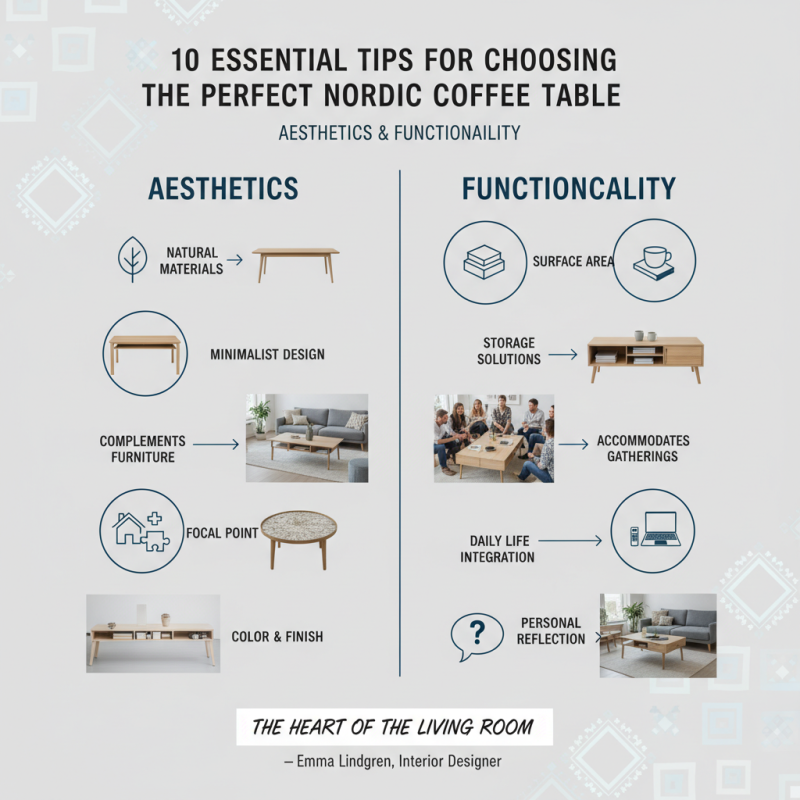
When selecting the perfect Nordic coffee table, it's essential to consider both aesthetics and functionality. Renowned interior designer Emma Lindgren states, "A coffee table is the heart of the living room." This highlights its importance in home decor. The right Nordic coffee table can transform a space, offering both style and utility.
Nordic design emphasizes minimalism and natural materials. Look for tables made from solid wood or with sleek finishes. A well-chosen table should complement your existing furniture while also standing out as a focal point. Consider your lifestyle needs; some tables offer storage, while others provide a simple surface for drinks and decor.
Choosing a Nordic coffee table isn't just about looks. Reflect on how the table will fit into your daily life. Will it accommodate gatherings? Does it provide enough surface area for books and magazines? Each decision alters how the space feels and functions, reminding us that the perfect choice is often subjective and requires introspection.
Understanding Nordic Design Principles for Coffee Tables
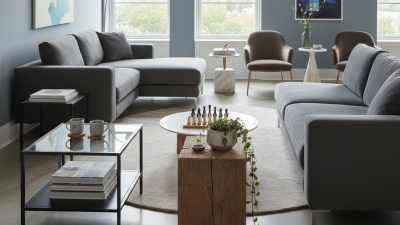
Nordic design embraces simplicity and functionality. This ethos influences the creation of coffee tables in Scandinavian homes. When selecting a Nordic coffee table, consider the balance between practicality and aesthetics. Clean lines and minimal ornamentation are essential. A well-chosen piece becomes the room's focal point without overwhelming the space.
Materials play a critical role in Nordic design. Wood, especially light shades like birch or oak, takes center stage. These materials add warmth and character. However, it is vital to choose sustainable sources. Reflecting on your choices can lead to better decisions. Metal accents can introduce an industrial touch, blending styles seamlessly. Avoid overly complex designs; simplicity is key.
Color palettes should be soft and neutral. Shades of white, gray, and pastels promote tranquility. Adding a pop of color can create interest but should be done sparingly. Think about how your coffee table interacts with the surroundings. It needs to enhance the overall design rather than clash with it. Sometimes, less really is more, and embracing imperfections can foster a warm, inviting atmosphere.
10 Essential Tips for Choosing the Perfect Nordic Coffee Table - Understanding Nordic Design Principles for Coffee Tables
| Tip Number |
Tip Description |
Key Feature |
Material Recommendation |
Shape Suggestions |
| 1 |
Consider the size of your space. |
Proportionality |
Solid wood or MDF |
Round or Rectangular |
| 2 |
Choose a simple, minimalist design. |
Clarity and simplicity |
Plywood or metal |
Square or Oval |
| 3 |
Opt for light color palettes. |
Bright and inviting |
Natural finishes |
Any |
| 4 |
Ensure functionality is prioritized. |
Multipurpose design |
Wood or durable composites |
Rectangular |
| 5 |
Incorporate organic shapes. |
Fluidity |
Bamboo or reclaimed wood |
Freeform |
| 6 |
Focus on bright lighting. |
Light-enhancing material |
Glass top |
Any |
| 7 |
Select an easy-to-clean surface. |
Maintenance-friendly |
Laminate or tempered glass |
Any |
| 8 |
Explore mixed materials for interest. |
Textural contrast |
Wood and metal |
Geometric |
| 9 |
Ensure it's at a comfortable height. |
Ergonomics |
Wood |
Rectangular |
| 10 |
Add personal touches with decor. |
Customization |
Any |
Any |
Evaluating the Size and Scale of Your Nordic Coffee Table
Choosing the right size and scale for your Nordic coffee table is crucial. A coffee table that’s too small can make a room feel disconnected. Conversely, a table that’s too large can overwhelm your space. Measure the area where you plan to place the table. Ensure there's enough room for movement around it. A clear space of at least 18 inches from the sofa is ideal.
Consider the height and shape of your coffee table. Nordic designs often feature clean lines and minimalism. A low-profile table works well with low seating. Experiment with rectangular, round, or oval shapes to see what fits best. The shape can also affect how people interact with the table. A round table may encourage conversation, while a rectangular one can suit tight spaces.
When evaluating your options, visualize how the table will fit with your other furniture. Use tape or markers on the floor to outline the desired dimensions. This step can reveal if your choice feels cramped or comfortable. Choose materials that complement your current decor. A wooden finish may offer warmth, while a glass top can add elegance. Consider the balance between form and function. Adjust your selection based on how you often use your coffee table.
Size and Scale Evaluation for Nordic Coffee Tables
Materials: Choosing Durable and Aesthetically Pleasing Options
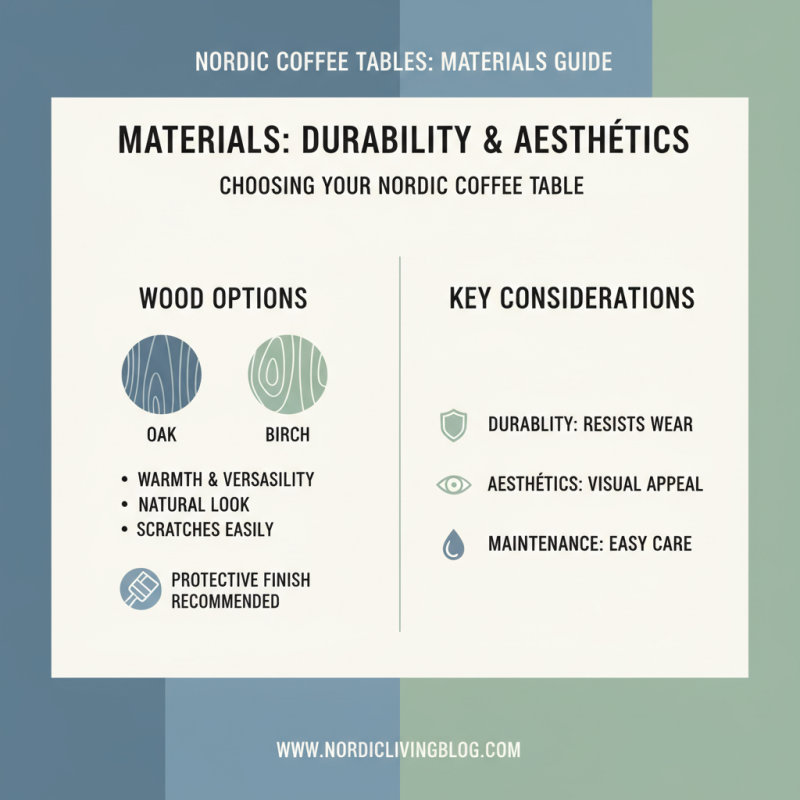
When selecting a Nordic coffee table, the materials you choose can greatly impact both durability and appearance. Wood is a popular option, known for its warmth and versatility. Oak and birch are commonly used in Nordic designs. They offer a natural look, but can scratch easily. Consider using a protective finish to maintain their aesthetic appeal.
Another option is metal. It provides a sleek, modern contrast to wooden elements in your living space. However, metal can get cold and may not be comfortable to touch. Balance is essential. Combining wood and metal can create an engaging design. Furthermore, materials like glass can add elegance. Glass tops are easy to clean but can be fragile.
Don’t overlook the importance of texture. Fabric-covered tables also have their charm. They can soften a room, yet require careful cleaning. Remember that not every material suits everyone’s lifestyle. Consider the wear and tear of daily use. Reflect on your personal style and maintenance preferences. The right choice balances durability and a pleasing aesthetic.
Color Schemes: Harmonizing with Your Existing Decor
When selecting a Nordic coffee table, color schemes play a crucial role.
The right colors can elevate your living space and create a warm atmosphere. Start by examining your existing decor.
Do you have a neutral palette with pops of color? Consider a table that complements these hues.
A soft oak finish pairs beautifully with pastel tones.
Darker woods might contrast nicely with lighter walls and furniture.
Don't shy away from bolder colors. A vibrant blue or deep green table can serve as a statement piece.
However, balance is key. Avoid overwhelming your space with too many colors. It may lead to a chaotic look.
Instead, think about using accessories—like cushions or art—to tie the color scheme together.
It's easy to overlook how lighting affects color perception.
A table that looks stunning in natural light may appear dull under artificial fixtures.
Test different lighting before finalizing your choice. Remember, color harmony is not about perfection.
It’s about creating a space that feels cohesive and inviting.
Embrace the quirks of color and find joy in the unexpected pairings.
Functionality: Considering Storage and Usability Features
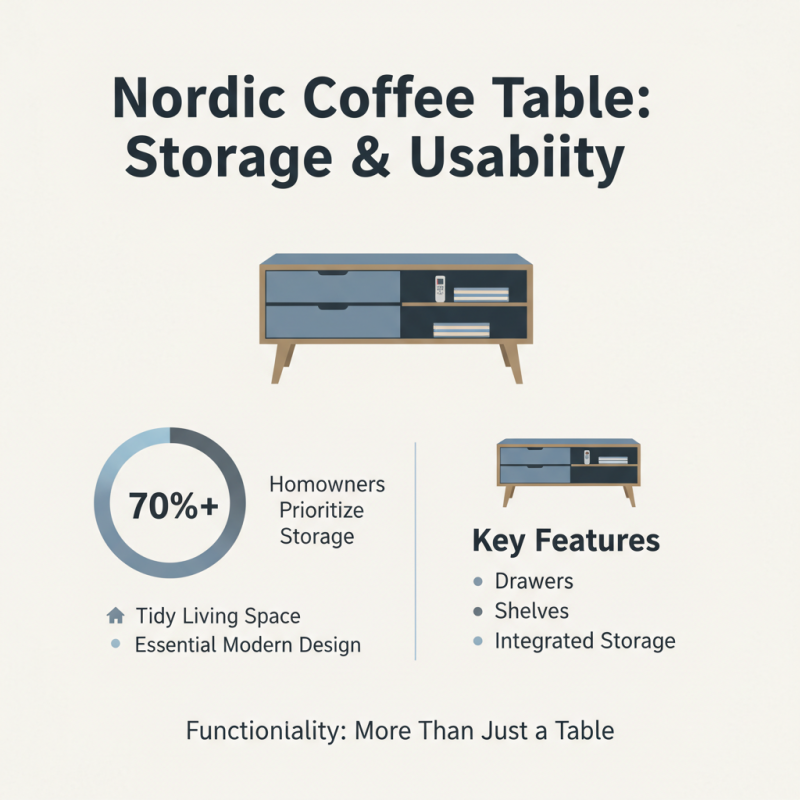
When choosing a Nordic coffee table, functionality is key. Consider the storage and usability features it offers. A table with drawers or shelves can keep your living space tidy. According to a recent survey, over 70% of homeowners prioritize storage in furniture choices. This highlights the essential role that functionality plays in modern design.
Think about how you will use your coffee table. Is it for holding drinks, snacks, or books? Each activity requires different design aspects. For example, a lower height might be more usable for casual gatherings. On the other hand, a table that can double as a workspace might be too tall for comfort. Reflect on what matters most in your day-to-day life.
Additionally, storage solutions should blend with aesthetics. A sleek design may boast limited compartments, which might not meet everyone’s needs. This could lead to clutter when the table is overloaded. In fact, research shows that 60% of small-space dwellers feel constrained by their furniture’s design choices. Balancing beauty and functionality takes careful consideration and a willingness to compromise.