10 Essential Tips for Choosing Night Stand Side Tables?
When selecting Night Stand Side Tables, many overlook their vital role in bedroom design. According to a recent survey by the American Furniture Association, 78% of consumers emphasize that side tables enhance both functionality and aesthetics in their bedrooms. Expert interior designer Sarah Johnson notes, "The right nightstand can transform a bedroom from ordinary to extraordinary."
Choosing Night Stand Side Tables can be challenging. The options are countless, from modern designs to rustic styles. Each type serves a purpose, but not every table will fit your needs. Many buyers fail to consider height, material, and storage space. As Johnson advises, "Consider how you use your nightstand daily. It should support your lifestyle."
Ultimately, Night Stand Side Tables must reflect personal style while remaining practical. You might be drawn to a stylish piece but realize it lacks storage or doesn't fit well. Remember, a balance is necessary. A nightstand should harmonize with your bed and room but serve its function efficiently. Take time to choose wisely, and don't rush the process. After all, these tables are more than just furniture; they are integral to your nighttime routine.
Understanding the Role of Night Stands in Bedroom Design
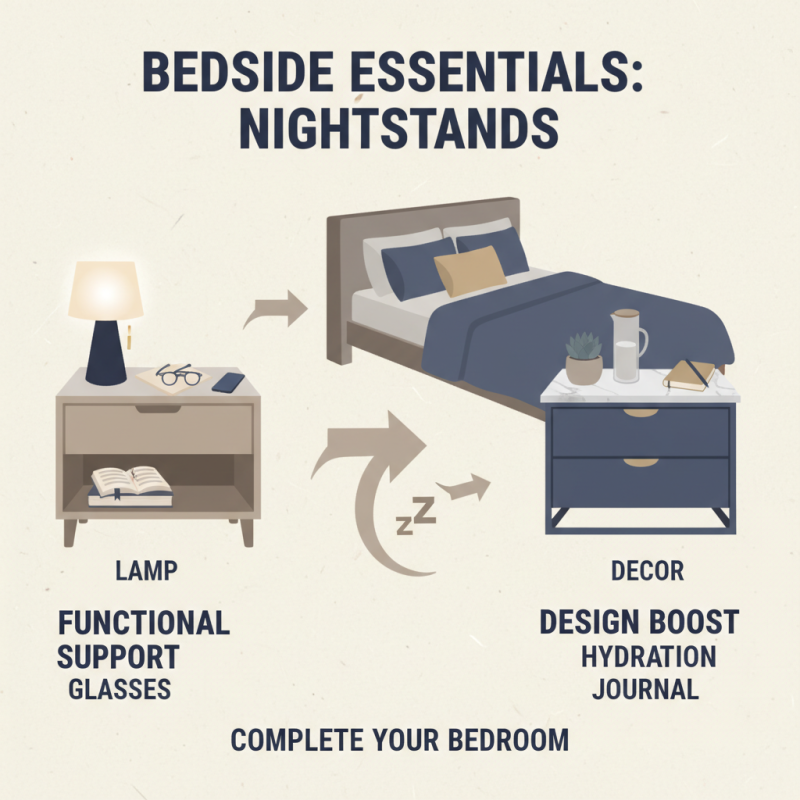
Night stands play a crucial role in bedroom design. They are more than just functional items. They provide essential support for your nighttime essentials. Think of a bedside lamp, a book, or even your glasses. Without them, your bedroom feels incomplete. The chosen night stand can enhance the overall aesthetic of the room.
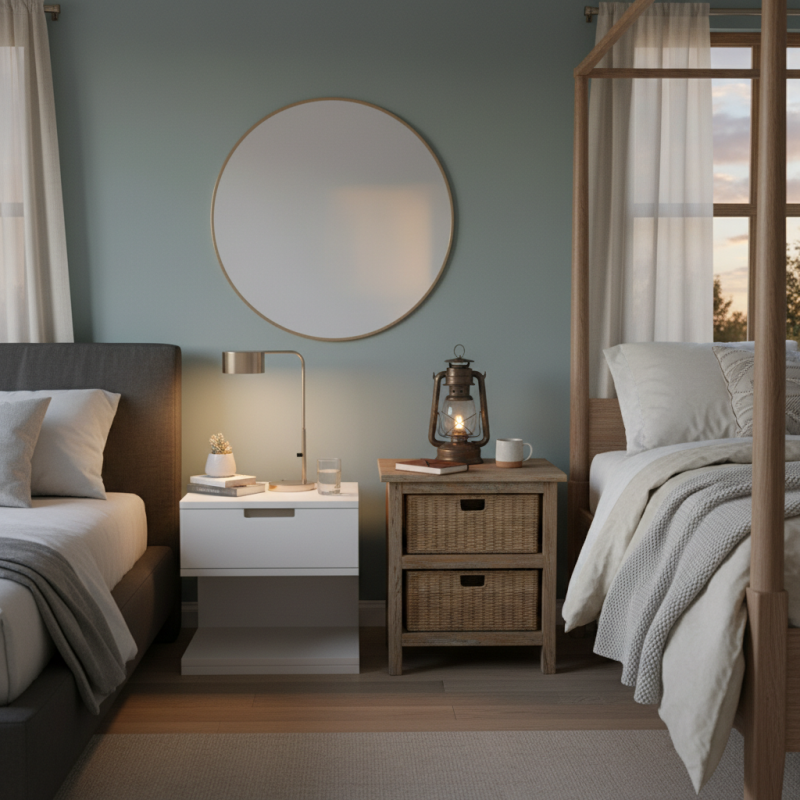
When selecting a night stand, consider the size and style. A large, ornate night stand may overwhelm a small room. A minimalist design can create a sense of space. Color and material also matter. Wood adds warmth, while metal brings a modern touch. Reflect on how each option resonates with the rest of your decor. Will it clash or harmonize?
Don’t forget to think about functionality. Some night stands provide drawers or shelves. These can help reduce clutter, which is often hard to maintain. However, prioritize ease of access. If it’s hard to reach, it becomes useless. The right night stand strikes a balance between beauty and practicality. It should feel personal, yet fitting for the space.
Evaluating Size and Proportions for Your Space
When selecting nightstand side tables, it's crucial to focus on size and proportions. A bulky table can overpower a small space. Conversely, a tiny table may seem lost in a large room. Measure your area carefully. Ensure there’s enough room for movement around the bed. Aim for at least 12 to 18 inches between the bed and the nightstand.
Consider the height of the table as well. It should align with the height of your mattress for easy access. A table too tall or too short can lead to inconvenience. A nightstand can also serve as a visual anchor in your room. Choose a size that complements your bed frame. A narrow table can add elegance, while a wider one offers additional storage.
Reflect on how you use your nightstand. Do you need space for a lamp, books, or personal items? The function will dictate the dimensions you require. Don't overlook the visual balance. If a table is too small, it may disrupt the room's harmony. Take the time to visualize how the table fits in. Adjusting your choice after measuring can lead to better overall design.
Choosing the Right Material for Durability and Aesthetics
When choosing nightstand side tables, material plays a key role in both durability and aesthetics. Wood is a favored choice, offering a classic look. However, quality varies widely. According to a 2022 industry report, 70% of consumers prefer solid wood for long-lasting durability. It can withstand daily use better than alternatives like particle board.
Metal has also gained popularity. It provides an industrial vibe that can complement various decor styles. A study found that metal options can last up to 15 years, significantly outperforming wood composites in some scenarios. Yet, they can be prone to scratches and may require more upkeep.
Considerations like weight and ease of movement matter too. Some lighter materials may shift easily, leading to potential accidents. Transparency around material choices is crucial. Consumers often overlook the environmental impact of their selections. It’s essential to balance aesthetics and sustainability. This means reflecting on how each material aligns with personal values and practical needs.
10 Essential Tips for Choosing Night Stand Side Tables
| Tip |
Material |
Durability |
Aesthetic Appeal |
| Choose the right height |
Wood |
High |
Classic |
| Consider storage options |
Metal |
Medium |
Modern |
| Match with existing furniture |
Glass |
Low |
Elegant |
| Focus on style versatility |
Bamboo |
High |
Natural |
| Evaluate weight capacity |
Plywood |
Medium |
Sleek |
| Think about maintenance |
Composite |
Medium |
Contemporary |
| Prioritize drawer quality |
Hardwood |
Very High |
Timeless |
| Consider budget constraints |
MDF |
Low |
Basic |
| Select color carefully |
Painted Wood |
High |
Vibrant |
| Check for assemble ease |
Particle Board |
Low |
Functional |
Exploring Different Styles to Match Your Bedroom Decor
Choosing the right nightstand side table can enhance your bedroom's overall aesthetic. A 2022 survey revealed that 58% of homeowners prioritize style when selecting furniture. This means that the nightstand should not only be functional but also match your decor. Consider the color, material, and shape of the nightstand to ensure it complements your existing furniture.
Wood, metal, and glass are popular materials. Each brings a unique vibe. Wooden tables offer warmth, while metal can provide a sleek, modern look. Glass nightstands can create an illusion of space. Many prefer a mix of styles. A vintage wooden nightstand can beautifully contrast with a modern bed frame. However, it's essential to keep balance in mind. Too many conflicting styles can make your bedroom feel chaotic.
Color also plays a crucial role. Neutral tones work well for versatility. However, bold colors can add a pop of interest. A report from the Design Institute noted that 72% of consumers feel happier in spaces that reflect their personality. Aim for a cohesive look, but don’t shy away from experimenting with different styles.
Reflect on what resonates with you and your space.
Assessing Functionality: Storage Needs and Accessibility
When selecting nightstand side tables, assessing functionality is crucial. Storage needs vary widely among individuals. Research indicates that over 70% of consumers prefer nightstands with drawers or shelves. These features provide essential space for items like books, medications, and personal devices, ensuring easy access at night.
Accessibility is another key factor. The height and design of your nightstand can influence comfort when reaching for items. A study showed that nightstands should ideally be within two inches of the mattress height for optimal use. However, many forget to consider the layout of their bedroom. A cluttered space can make even the best-functioning nightstand feel inaccessible.
Consider your essential items. What do you use most at night? A lamp, for instance, should be placed within arm’s reach. Yet, while aesthetics matter, functionality often suffers when emphasis is placed solely on style. Reflect on your specific needs and how often you reach for must-have items while in bed. Balancing storage with easy accessibility is vital for the perfect nightstand choice.