Why Choose Led Lights for Your Entertainment Center to Enhance Your Experience
The use of LED lights in entertainment centers is gaining popularity. According to Mark Stevens, a lighting design expert, “LED lights can transform any space into a dynamic experience.” This statement rings true when you think about customizing your viewing environment.
Imagine dimming the lights and creating a cozy atmosphere. LED lights can do this while saving energy. They come in various colors and intensities. Homeowners can match the lighting to movies or games, enhancing immersion. However, some users might find the setup complicated. Correct installation is crucial for achieving the desired effect.
Using LED lights in your entertainment center elevates the viewing experience. The right colors can evoke different moods. Yet, while the benefits are clear, not every design works for everyone. What looks great in one home may not translate well to another. Therefore, personal preference plays a significant role in this choice.
Benefits of LED Lights in Entertainment Centers
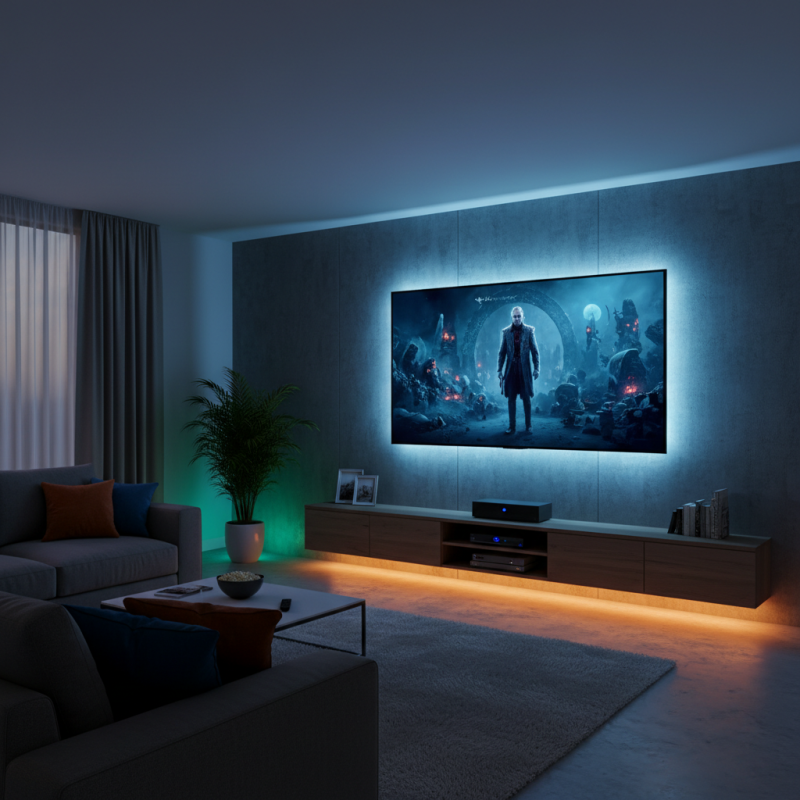
LED lights bring a transformative quality to any entertainment center. One of their greatest benefits is the vibrant colors they emit. You can customize your space with various shades. This flexibility often creates an immersive experience. Imagine watching your favorite movie with a soft blue hue that enhances suspense. Or a warm orange glow during a cozy family game night. It sets the mood perfectly.
Furthermore, energy efficiency is a significant advantage. LED lights consume less power than traditional bulbs. This long-term savings can be a relief for many. They also last longer, which means fewer replacements. However, not every LED light is the same. Some may flicker, causing distractions. It's essential to choose wisely and ensure high quality.
Lastly, installation is generally straightforward. You can even add them to shelves or behind screens. This adds depth and draws the eye. Yet, some may find it tricky to position them effectively. Testing different spots until you find what works can be a trial-and-error process. Embracing these challenges can lead to an ultimately rewarding upgrade to your entertainment center.
How LED Lights Improve Visual Experience and Atmosphere
LED lights can drastically transform your entertainment center. By providing more than just illumination, they enhance the overall experience. The colors emitted by LEDs can sync with your media. Imagine intense scenes in a movie complemented by vibrant light transitions. It adds depth to your viewing.
Atmosphere plays a significant role in entertainment. Soft glows can set a cozy mood for a movie night. Bright colors can energize your gaming sessions. It’s not always perfect, of course. Sometimes the lighting can overwhelm the screen. Finding the right balance is key.
Customizing the lights to fit your taste is part of the fun. You can experiment with different settings. A personal touch contributes to a unique ambiance. But it can be challenging. Some setups don’t translate well visually. It requires adjustment and patience to get it right.
Energy Efficiency of LED Lighting Compared to Traditional Bulbs
LED lighting offers significant energy efficiency compared to traditional bulbs. According to the U.S. Department of Energy, LED lights use up to 75% less energy. This drastic reduction helps lower electricity bills. For instance, replacing a 60-watt incandescent bulb with an 8.5-watt LED can save you about $55 over its lifetime. This savings is impressive, especially for an entertainment center that might use numerous bulbs.
Moreover, LED lights have a longer lifespan. A typical LED bulb lasts about 25,000 hours, while incandescents last only around 1,000 hours. This means fewer replacements and less waste. However, the initial cost of LED lights can be higher, which some may find off-putting. The decision to switch may prompt reflection on long-term investment versus immediate expenses.
Color accuracy and brightness are also key factors when enhancing an entertainment environment. LEDs produce crisp and vibrant colors, making movies and games more immersive. Yet, it might take time to adjust to the intensity of LEDs. While they are energy-efficient, some may need to explore the ideal settings for their specific setups.
Why Choose LED Lights for Your Entertainment Center to Enhance Your Experience
| Criteria |
LED Lights |
Traditional Bulbs |
| Energy Consumption (Watts) |
10 |
60 |
| Lifespan (Hours) |
25,000 |
1,000 |
| Heat Emission |
Low |
High |
| Brightness (Lumens) |
800 |
800 |
| Dimming Capability |
Yes |
Limited |
| Environmental Impact |
Low |
High |
Versatile Installation Options for LED Lights in Entertainment Spaces
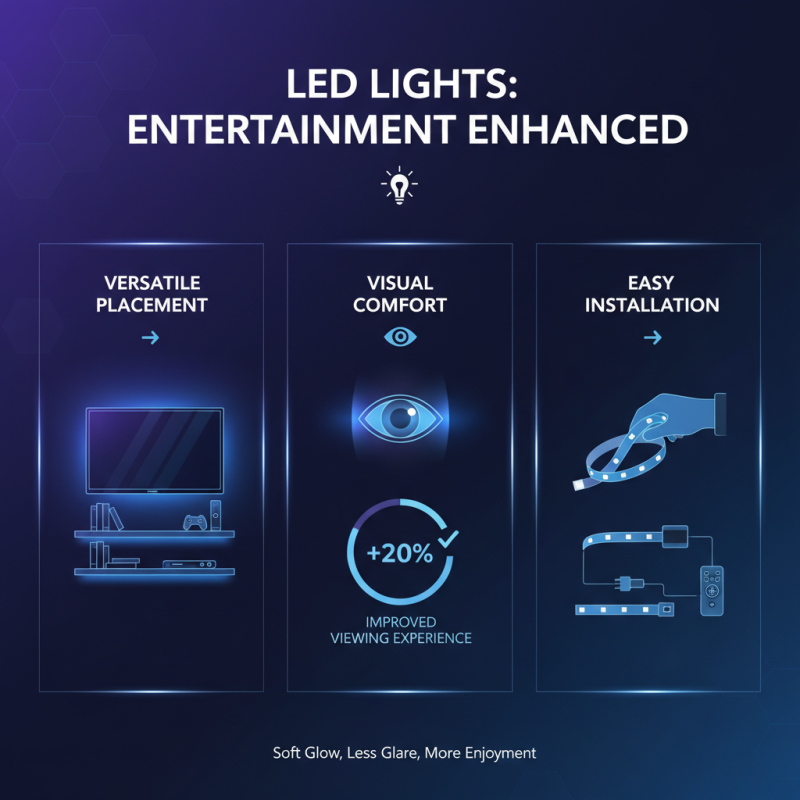
When it comes to enhancing your entertainment space, LED lights offer versatile installation options that cater to various preferences. For instance, you can place LED strips behind your TV or around shelves. This creates a soft glow that draws attention without overwhelming the eye. According to a recent industry report, homes that use LED lighting for entertainment see a 20% improvement in visual comfort. This makes the viewing experience more enjoyable.
The flexible nature of LED lighting allows for creativity. You might choose to install lights in cabinets or along the edges of furniture. This can highlight the design elements of your entertainment center while adding a modern touch. Research suggests that well-placed lighting can increase engagement and immersion during movie nights or gaming sessions. However, it can be tricky to find the ideal placement. Trial and error may be necessary to perfect your setup.
Consider color temperatures as well. Cooler tones create a vibrant ambiance, while warmer shades contribute to relaxation. Yet, selecting the right hue for every occasion can be challenging. Some may find themselves experimenting with colors more than they anticipated. This ongoing exploration may lead to an imperfect collection of preferences, but embracing this journey can ultimately enhance the overall atmosphere of your entertainment space.
Choosing the Right LED Color and Brightness for Your Setup
When setting up your entertainment center, choosing the right LED color and brightness can drastically enhance your viewing experience. Bright white lights may seem ideal, but they can wash out the colors on your screen. Instead, consider warmer tones to create a cozy atmosphere. A soft yellow or soft white can reduce eye strain and add a more inviting vibe.
In addition to color, adjusting brightness is crucial. Too bright can be harsh, while too dim can make the screen hard to see. Experiment with different levels. Try lighting that varies with your movie or gaming sessions. This can add depth to your experience. Don’t hesitate to test various combinations. Some setups might feel unbalanced at first. Your ideal mix may take a bit of trial and error.
It's also beneficial to think about the mood you want to create. Perhaps you want a calm, relaxing environment for a movie night. Bright, vibrant hues may suit an intense gaming session instead. Pay attention to how different colors affect your feelings. Are you energized or relaxed? Finding the perfect balance can make a significant difference in your overall experience.
LED Lights in Entertainment Centers: Color Brightness Preferences