How to Choose the Best Nightstands for Your Bedroom?
Choosing the right nightstands for bedroom is crucial. They are more than just decorative pieces. A good nightstand provides functionality and enhances your room's aesthetic. With countless options in styles and materials, it can be overwhelming.
Consider your space for nightstands for bedroom first. Look at the height and width guidelines. Your nightstands should be similar in height to your bed. This ensures easy access to your essentials. Think about your storage needs. Do you need drawers, or will open shelves suffice?
Nightstands can reflect your personal style. Whether you prefer modern, rustic, or minimalist, there’s a design for you. Yet, it’s essential to find a balance between function and style. Take your time in choosing. Often, the perfect nightstand comes with unexpected choices. Reflect on your daily habits; they can guide your decision effectively.
Factors to Consider When Selecting Nightstands for Your Bedroom
When selecting nightstands for your bedroom, there are several crucial factors to consider. The size of your space is essential. A nightstand should fit harmoniously beside your bed. Ensure there’s enough room to access it easily. If your bedroom is small, consider narrow or wall-mounted options.
Material plays a significant role in the longevity of your nightstand. Wood is classic and sturdy, offering a warm feel. Metal can add a modern touch, while glass provides an airy look. Think about the style that complements your existing furniture. A mismatched nightstand can disrupt the room’s overall aesthetic.
Storage is another critical aspect. Do you need drawer space for personal items? Open shelves can be visually appealing but may lack privacy. Some prefer minimalism, while others require functional storage. Reflect on what best meets your needs. Each choice influences the bedroom's atmosphere. Balancing style and practicality will lead to a more satisfying selection.
Types of Nightstands and Their Features
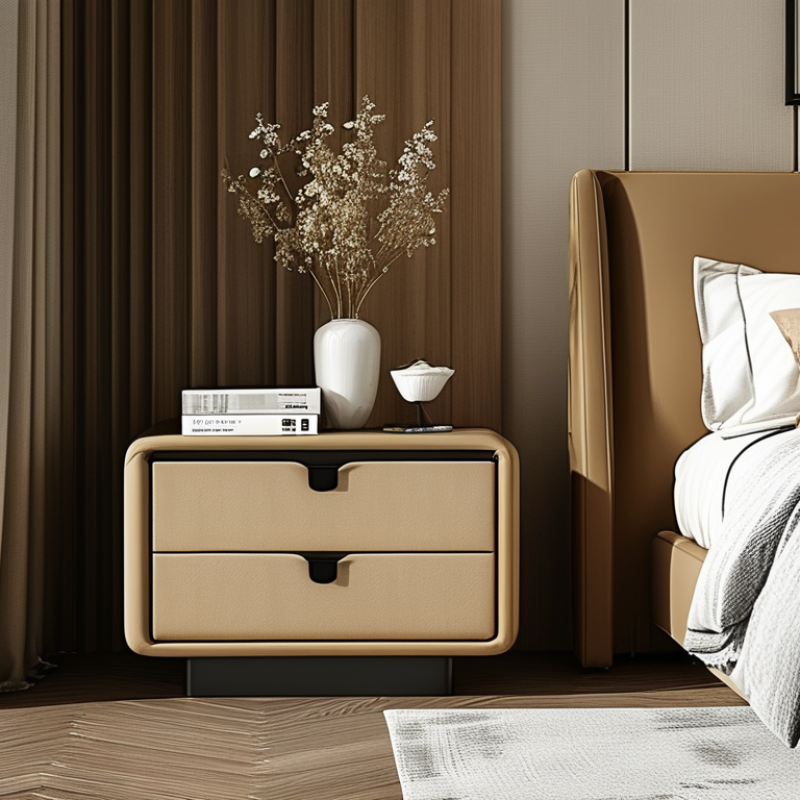
Choosing the right nightstand is crucial for your bedroom's functionality and style. There are several types of nightstands, each with unique features that could enhance your space. For instance, a traditional wooden nightstand offers a classic look. It often includes drawers for storage and a stable surface for a lamp and books. The warmth of wood adds a cozy touch to the room.
In contrast, metal nightstands can provide a modern vibe. They are often sleek and minimalist, making them suitable for smaller spaces. Some have unique designs, which can serve as a statement piece. Additionally, nightstands with built-in charging stations cater to our tech-savvy lifestyle. This feature can eliminate clutter and keep your devices accessible.
Consider your personal needs. A nightstand that’s too tall or too low can disrupt your sleep experience. Assess how much storage you require. A nightstand with drawers might be ideal if you have numerous items. If your style leans toward the eclectic, mix and match styles for a chic, personalized look. Take your time to find what truly fits your bedroom's vibe.
Types of Nightstands and Their Features
| Type |
Features |
Pros |
Cons |
| Traditional Nightstand |
Wood construction, drawers for storage |
Classic style, durable |
Can be bulky, may not fit modern decor |
| Modern Nightstand |
Sleek design, open shelving |
Minimalist appeal, versatile |
Less storage space, may lack warmth |
| Industrial Nightstand |
Metal and reclaimed wood, rugged look |
Sturdy, trendy aesthetic |
Heavy, may not suit all styles |
| Nightstand with Charging Station |
Built-in USB ports, outlets |
Convenient for charging devices |
May require access to power source |
| Floating Nightstand |
Wall-mounted, space-saving |
Saves floor space, modern look |
Limited storage, requires wall space |
Choosing the Right Size for Your Bedroom Space
Choosing the right size for nightstands in your bedroom is crucial. A well-proportioned nightstand enhances the room's aesthetic while providing functional storage. According to the National Sleep Foundation, an organized bedroom contributes significantly to better sleep quality. Typically, nightstands should be about the same height as your mattress for easy access.
A common mistake is selecting nightstands that are too large or too small for the space. Standard nightstands range from 20 to 30 inches in height. However, a smaller bedroom may benefit from nightstands closer to 20 inches tall. This prevents the space from feeling cramped, allowing for better flow. A recent survey indicated that 45% of homeowners regret their furniture choices due to size issues.
Tips for choosing the right size:
1. Measure the space between your mattress and any surrounding furniture.
2. Leave at least 2-3 inches between the nightstand and the bed for comfortable access.
3. Consider the width; a nightstand should ideally be 1/3 the width of your bed.
It is common to overlook these dimensions in pursuit of style. Thoughtful measurements can turn your bedroom into a harmonious retreat. Aim for a balance between function and design; the right size can elevate your space dramatically.
Material and Style Considerations for Nightstands
Choosing the right material and style for your nightstands can greatly impact your bedroom's aesthetics and functionality. Wood remains a popular choice. In fact, studies indicate that about 70% of consumers prefer solid wood furniture for its durability and timeless appeal. It also offers a range of finishes, from natural to stained, allowing for personalization. However, not all wood is created equal. MDF or particleboard options may resemble wood but can fall short in longevity.
When considering style, functionality is key. Modern minimalism emphasizes clean lines and versatility. This accounts for over 45% of nightstand purchases in urban areas. Meanwhile, vintage and rustic styles are favored in suburban homes, often featuring distressed finishes. Each style does have its own weaknesses. Minimalist designs can lack storage, while vintage styles might be harder to pair with contemporary decor.
The color palette should also be considered. Neutral tones work in most settings, yet bold shades can make a statement. Research shows that nearly 60% of buyers choose nightstands based on how well they complement their existing color scheme. Reflecting on your bedroom's overall design can prevent mismatches that feel chaotic. Ultimately, it's about finding a balance between functionality and style that resonates with your personal taste.
Material Preference for Nightstands
Budgeting for Quality Nightstands Without Sacrificing Style
When budgeting for nightstands, it's crucial to balance quality and aesthetics. According to a recent survey by the American Home Furnishings Alliance, a significant 47% of consumers prioritize style over price when selecting bedroom furniture. The idea is to find pieces that enhance your bedroom's decor while remaining functional. Many stylish nightstands can be sourced under $300. Look for affordable options made from durable materials like hardwood or quality composites. Investing in well-constructed furniture means longevity.
Changing trends also call for reflection on previous purchases. A study by Furniture Today found that nearly 60% of consumers regret impulsively buying furniture without considering its fit in their space. This emotion often stems from hasty decisions that prioritize immediate appeal over lasting value. It’s essential to take your time and measure your space accurately before making any commitments. A well-chosen nightstand can provide both storage and a stylish statement, making it a vital part of your bedroom setup.