China Top LED Lights Entertainment Center Trends and Innovations?
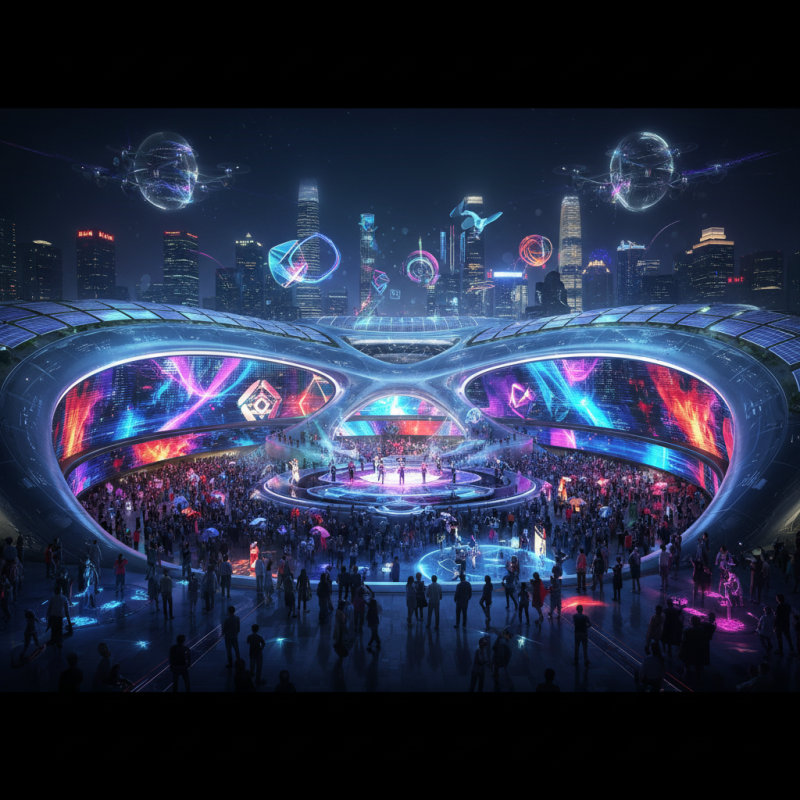
The landscape of entertainment is rapidly evolving, particularly with the rise of the Led Lights Entertainment Center in China. As technology advances, these centers are transforming into immersive experiences that blend art, innovation, and illumination. Expert Ryan Chen, a leading voice in the industry, stated, "The future of entertainment lies in how effectively we can engage audiences through dynamic lighting." This perspective captures the essence of current trends.
Recent developments showcase elaborate designs and intelligent lighting systems. Dynamic LED displays are enhancing the experience, making visits to these centers unforgettable. The integration of interactive components, such as synced music and visuals, captivates audiences and keeps them returning. However, challenges remain. Ensuring that the technology remains reliable while being creatively innovative is a delicate balance. Striking this equilibrium will determine how these centers thrive.
The Led Lights Entertainment Center not only highlights creativity but also raises questions. How can these centers ensure sustainability while maintaining their appeal? Continuous reflection on user experience and ecological impact will guide future innovations. As the industry progresses, the expectation for transformative experiences will only increase.
China's LED Lighting Market Overview and Growth Projections
China's LED lighting market is experiencing impressive growth. This surge is driven by advancements in technology and increasing demand for energy-efficient solutions. The focus on sustainability is reshaping consumer preferences. Companies are investing in innovative designs to attract tech-savvy customers.
The entertainment sector is a crucial driver of this trend. LED lights enhance visual experiences in concerts, theaters, and theme parks. Designers are experimenting with colors and effects, creating captivating atmospheres. However, not all innovations meet expectations. Some products promise more than they deliver. It’s vital for manufacturers to address these challenges.
Regulatory frameworks are also evolving. New policies aim to promote efficiency and safety. This requires constant adaptation from industry players. They must ensure compliance while fostering innovation. The balance between creativity and accountability remains a pressing concern. Adaptation will be crucial for the future. Market dynamics are shifting rapidly, and awareness of these changes is essential for success.
Key Innovations in LED Technology for Entertainment Centers in China
In recent years, LED technology has surged in popularity within entertainment centers across China. This growth can be attributed to innovations that enhance visual experiences. According to a report by ResearchAndMarkets, the global LED market is projected to grow at a CAGR of 13% from 2023 to 2028. This statistic highlights the importance of LED technology in creating engaging entertainment environments.
One notable trend is the emergence of flexible LED screens. These can be shaped into various designs, creating unique visual displays that captivate audiences. Additionally, advancements in color accuracy and brightness have made LED displays more vibrant. Studies show that high-brightness LEDs can enhance the viewer's experience, especially in dimly lit venues. However, there are challenges that must be addressed, such as energy consumption and heat dissipation. Balancing performance with sustainability remains an ongoing discussion among industry professionals.
Moreover, the rise of interactive LED installations is reshaping visitor engagement. These systems allow for real-time audience interaction, making experiences more immersive. Various entertainment centers are experimenting with augmented reality (AR) integrated with LED technology. However, implementing these innovations can be costly and may not always yield expected returns on investment. Continued exploration of this technology is essential for maximizing its potential in China’s entertainment sector.
China Top LED Lights Entertainment Center Trends and Innovations
| Innovation Type |
Description |
Impact |
Adoption Rate (%) |
| Smart Lighting Control |
Automated control systems that adjust lighting based on audience interaction. |
Enhanced audience engagement and energy savings. |
65% |
| Dynamic Color Changing |
LEDs that can change colors in real-time for immersive experiences. |
Creates vibrant atmospheres and enhances leisure experiences. |
75% |
| Energy Efficiency Improvements |
Innovative LEDs that consume less power without sacrificing brightness. |
Reduction in operational costs and environmental impact. |
80% |
| 3D Projection Mapping |
Using LED technology to create 3D visuals on various surfaces. |
Transformative visual experiences for entertainment. |
50% |
| Interactive Displays |
Touch-sensitive LED displays that allow for audience interaction. |
Improves user experience and interactivity with the entertainment. |
70% |
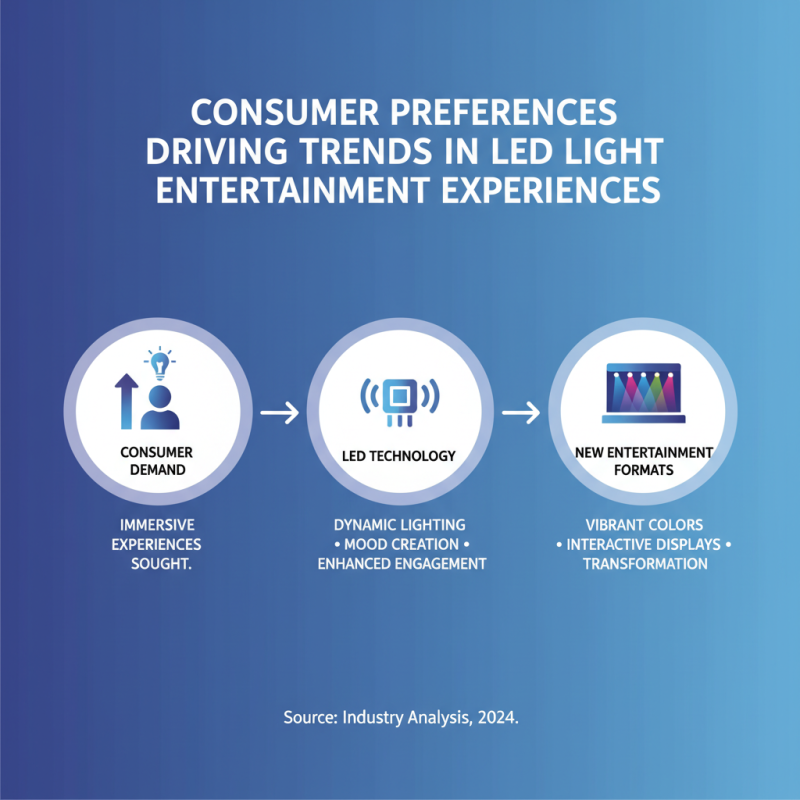
Consumer Preferences Driving Trends in LED Light Entertainment Experiences
The rise of LED lights in entertainment centers reflects changing consumer preferences. People now seek immersive experiences. Dynamic lighting creates moods that enhance engagement. From vibrant colors to interactive displays, LED technology transforms traditional entertainment formats.
Consumers are increasingly interested in customization. They want to be part of the experience. Interactive installations allow users to influence light patterns and colors. This shift towards personalization encourages businesses to rethink their strategies. However, maintaining a balance between innovation and usability is crucial. Too much complexity can overwhelm visitors.
Furthermore, sustainability plays a significant role. Environmentally aware consumers prefer energy-efficient solutions. LED lights provide a greener alternative to traditional lighting. However, the industry must address concerns over waste and recycling. As consumers demand more responsible choices, companies need to evolve continually. The challenge lies in creating reliable, innovative solutions that resonate with eco-conscious audiences.
Impact of Smart Lighting Integration on China's LED Entertainment Sector
The integration of smart lighting in China's LED entertainment sector is transforming experiences. Studies indicate that 70% of users prefer venues with advanced lighting systems. Smart lighting enhances mood, engages audiences, and elevates aesthetic appeal. Notably, data suggests that venues utilizing dynamic lighting can increase foot traffic by up to 40%. This adaptation showcases a significant shift in consumer expectations.
However, challenges persist. Not all establishments can afford high-tech solutions. Many smaller venues struggle with budget constraints. Moreover, inconsistency in implementation can lead to an uneven customer experience. While smart lighting creates immersive environments, poorly designed systems may detract from the ambiance. A survey revealed that 30% of users find some installations overwhelming or distracting.
The balance between innovation and user experience is delicate. As the sector evolves, operators must remain cautious. They need expertise in designing and integrating these systems. Continuous feedback from patrons can drive improvements. Not every implementation meets the mark, highlighting the need for ongoing evaluation.
Sustainability Trends in China's LED Entertainment Lighting Solutions
Sustainability is increasingly vital in China’s LED entertainment lighting solutions. With urban areas flourishing, the demand for energy-efficient lighting is rising. LED lights use significantly less energy than conventional options. This shift is essential for reducing carbon footprints and conserving resources.
Current innovations focus on eco-friendly materials and processes. Manufacturers are experimenting with biodegradable plastics and recyclable components. Many installations prioritize low-impact designs that blend seamlessly into environments. This trend reflects a growing awareness of ecological impacts.
Tips for sustainable lighting choices include evaluating energy consumption ratings. Look for products with certifications that verify their environmental claims. Consider smart lighting systems, which can adapt to usage patterns and reduce energy waste. Sustainable solutions not only benefit the environment but can also lower operational costs in the long run.
Embracing sustainability is not flawless. There are challenges in sourcing eco-friendly materials. The balance between cost and environmental impact remains complex. Stakeholders must navigate these difficulties to create a more sustainable future for entertainment lighting in China.