2026 Best Smart Nightstand Features Buyers Need to Know
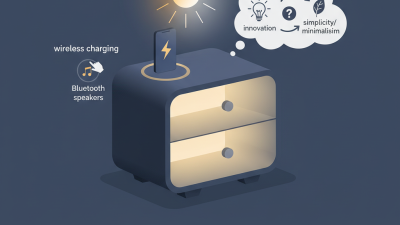
In the ever-evolving world of home technology, the Smart Nightstand has emerged as a must-have for modern bedrooms. These innovative pieces combine functionality and aesthetics, providing convenience at your fingertips. They often feature wireless charging, integrated speakers, and smart assistant compatibility. Such elements enhance the user experience while streamlining night-time routines.
However, not all Smart Nightstands are created equal. Buyers should be cautious about their choices. Some models may prioritize aesthetics over practicality, leading to disappointment. It's essential to find the right balance between technology and usability. Exploring user reviews and expert opinions can clarify which features truly matter.
Moreover, safety is another critical consideration. Will the materials withstand daily use? Are the electronic components reliable? Investing in a Smart Nightstand requires thoughtful reflection. Ensuring that it meets both your needs and promotes a restful environment is paramount. By understanding the features and potential pitfalls, you can make an informed choice that elevates your nightly experience.
Key Features of the Best Smart Nightstands for 2026
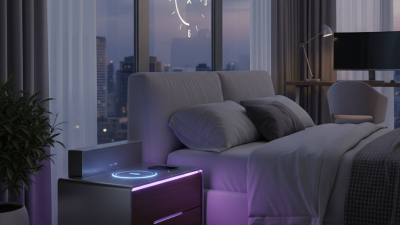
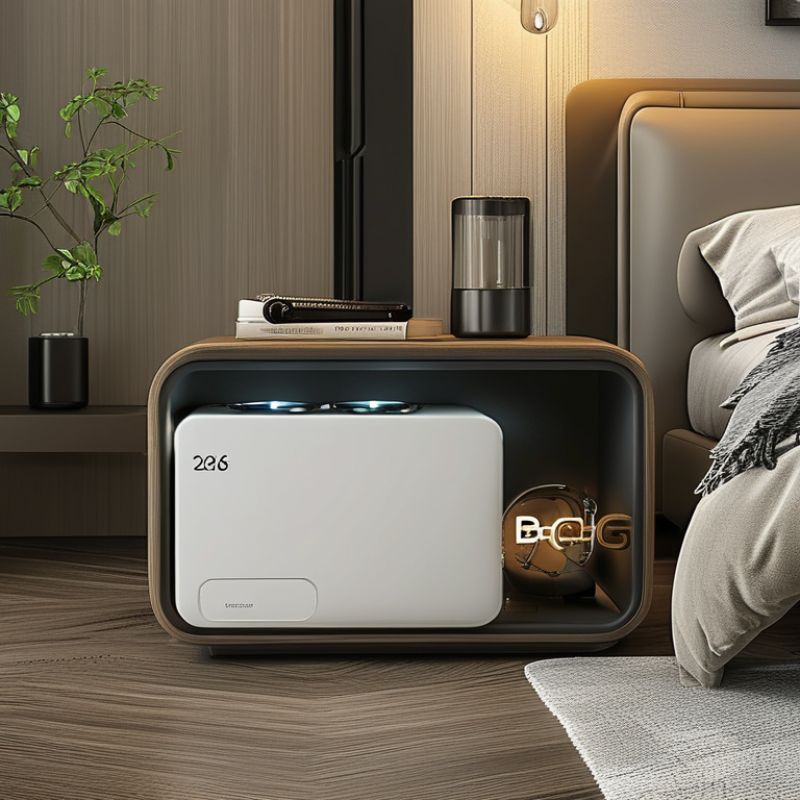
Smart nightstands are evolving rapidly. In 2026, these innovative pieces will redefine our nighttime routines. One key feature to consider is integrated wireless charging. Just place your device on the surface, and it charges without messy cords. This convenience combines technology with practicality.
Another essential feature is smart home integration. Many nightstands can connect to your existing smart devices. This allows you to control lights, alarms, and even your sleep environment. Imagine waking up and adjusting your room's lighting with just your voice. However, not all devices respond seamlessly. Some users experience connectivity issues that require troubleshooting.
Personalization options are also critical. Customizable ambient lighting can create a soothing atmosphere before sleep. Some nightstands offer different color settings and brightness levels. Yet, not everyone finds these features necessary. For many, simpler designs may still hold value. Balancing technology with personal preference remains an ongoing debate. As smart nightstands continue to advance, consumers will need to weigh functionality against simplicity.
Integration with Smart Home Systems: What to Look For
Integrating a smart nightstand into your home involves considering its compatibility with your existing smart home systems. Many users overlook this crucial aspect. It's vital to ensure your nightstand can connect seamlessly to your smart ecosystem. Look for Wi-Fi or Bluetooth connectivity. These features allow for easier integration with voice assistants and smart devices.
Consider the automation capabilities of the nightstand. Does it sync with your smart lights or alarm system? An ideal nightstand should enhance your daily routine without any complications. However, some users report difficulties in managing device connections. A device that seems perfect in a store might not work well in your home setup. Always check for compatibility with devices you've already invested in.
Additionally, ease of use is paramount. A cluttered app interface can frustrate users. Your smart nightstand should simplify your life, not complicate it. Some nightstands offer customizable settings. However, not every user is tech-savvy. Even simple features may need intuitive navigation. Reflecting on these needs can guide you in choosing the right nightstand for your smart home setup.
Charging Solutions: Wireless vs. Wired Options Explained
When considering smart nightstands for 2026, charging options are crucial. Many users often overlook the differences between wireless and wired charging. According to a recent industry report, about 70% of consumers prefer wireless charging for its convenience. Users enjoy simply placing their devices down without fumbling with cables. However, it's important to recognize that wireless charging often delivers slower speeds than wired options.
Wired chargers can typically provide power output of up to 40W. This means quicker charging times, especially for high-capacity devices. Many experts suggest incorporating a hybrid approach. A nightstand that includes both wireless and wired options combines speed with convenience. This flexibility can accommodate various user needs and device types.
In terms of reliability, wired charging seems to have the edge. Wireless charging requires precise alignment and can sometimes produce heat, which may damage some devices over time. Still, many consumers appreciate the ease of use that wireless options provide. Balancing these features will likely shape consumer preferences in the coming years. This interplay of convenience and performance is where buyers need to focus their attention.
Charging Solutions: Wireless vs. Wired Options Explained
User-Friendly Interfaces: Touchscreen vs. Traditional Controls
When choosing a smart nightstand, users face a key decision: touchscreen interfaces versus traditional controls. Touchscreens offer a sleek, modern look. They typically allow for easy access to various settings, including lighting and charging options. According to a recent study by TechInsights, 72% of consumers prefer touch interfaces due to their intuitive nature. Yet, some users find touchscreen sensitivity an issue, especially at night when the skin may not register as accurately.
Conversely, traditional controls provide tactile feedback that many users trust. They often incorporate buttons and knobs, which are easier to navigate in dim lighting. A survey by Home Automation Research found that 58% of users felt more secure using physical controls during nighttime routines. This highlights the importance of personal preference in technology interactions.
Tip: Consider the space and environment where your nightstand will be placed. A touchscreen may seem appealing, but a traditional setup can provide reliability in a dark room. Test both types before making a purchase to see which feels more comfortable for your nightly routine.
Design Aesthetics: Blending Technology with Bedroom Decor
When designing a bedroom, aesthetics play a significant role in creating a harmonious space. A smart nightstand can blend technology seamlessly with decor. Choose a nightstand that complements your existing furniture. Materials like wood or metal can enhance the overall look while incorporating modern technology.
Choose color schemes that match your bedroom palette. This can help create a cohesive design. Consider adjustable lighting features that not only serve a functional purpose but also add a design element. Subtle accents or unique shapes can serve as conversation starters while keeping everything practical.
Tips: Pay attention to the height of your nightstand. It should align with your bed for comfort. Explore items with built-in charging ports without compromising style. Ensure that the design choices reflect your personality. A smart nightstand can enhance both convenience and aesthetic appeal. Balancing functionality with beauty is key in creating a serene bedroom environment.
Conclusion
In 2026, the best Smart Nightstands are characterized by several key features that enhance user convenience and integration with smart home systems. When selecting a Smart Nightstand, it is important to consider its compatibility with existing automation setups, allowing for seamless control and management of bedroom environments. Additionally, the choice between wireless and wired charging solutions can significantly impact functionality and user preference, making it a critical factor in the buying decision.
Another important aspect is the user interface, where options range from intuitive touchscreens to traditional controls, catering to different preferences. Moreover, design aesthetics play a vital role, as these Smart Nightstands should harmoniously blend advanced technology with the overall decor of the bedroom. Lastly, ensuring safety features are incorporated is essential for secure and reliable use, making Smart Nightstands a smart addition to modern living spaces.