2026 Best Coffee Table Designs for Modern Living Spaces?
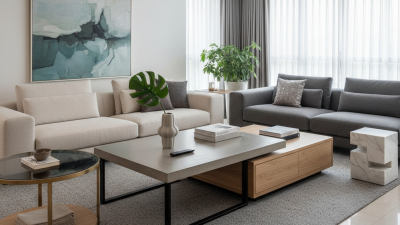
The coffee table serves as a focal point in modern living spaces. It blends functionality with style, enhancing the overall aesthetic of your home. In 2026, the best coffee table designs reflect a mix of artistic flair and practicality.
Many homeowners now prioritize unique materials and innovative shapes. Sleek glass tops, rustic wood, and bold colors are trending. These elements cater to diverse tastes. However, finding the perfect coffee table can be challenging. It's essential to balance your personal style with space limitations and comfort.
Think about how the coffee table fits within your living area. Does it invite conversation? Is it functional for daily use? Reflecting on these questions will guide your choices. Consider how different designs impact the flow of the room. The ideal coffee table not only complements your décor but also enhances your everyday life. Embrace these aspects as you explore the best coffee table designs for modern living in 2026.
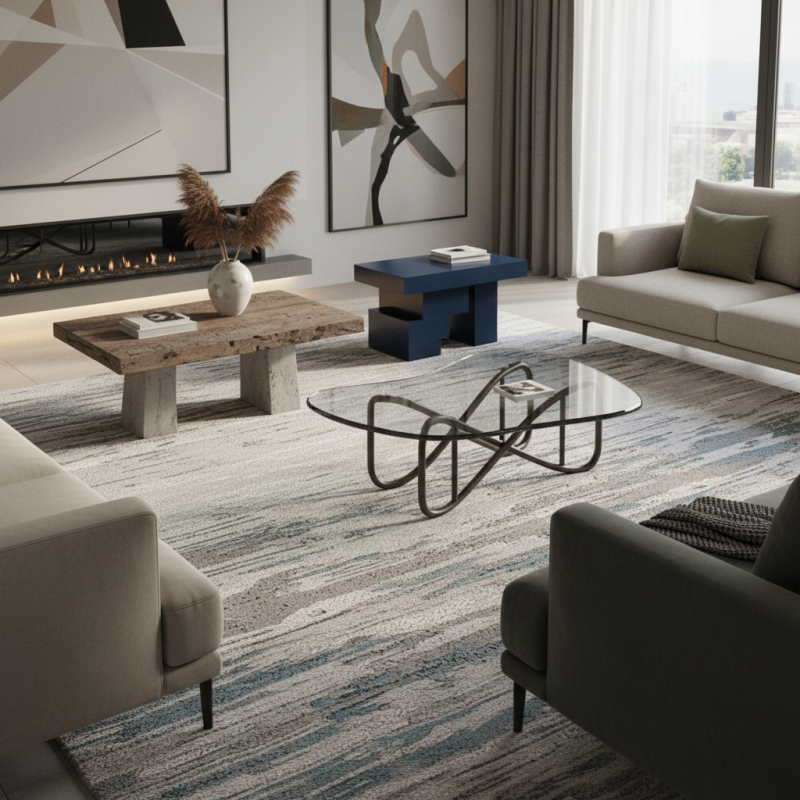
2026 Coffee Table Trends: Key Features for Modern Aesthetics
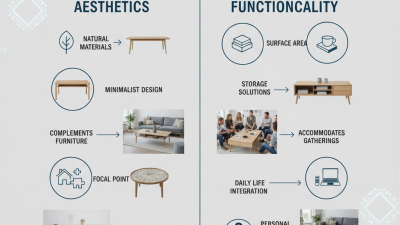
In 2026, coffee table designs reflect a balanced blend of style and functionality. The key feature emerging this year is versatility. According to recent industry reports, multifunctional furniture is gaining traction in modern interiors. Consumers prefer coffee tables that double as storage solutions or workspaces. The rise of remote work has amplified this demand.
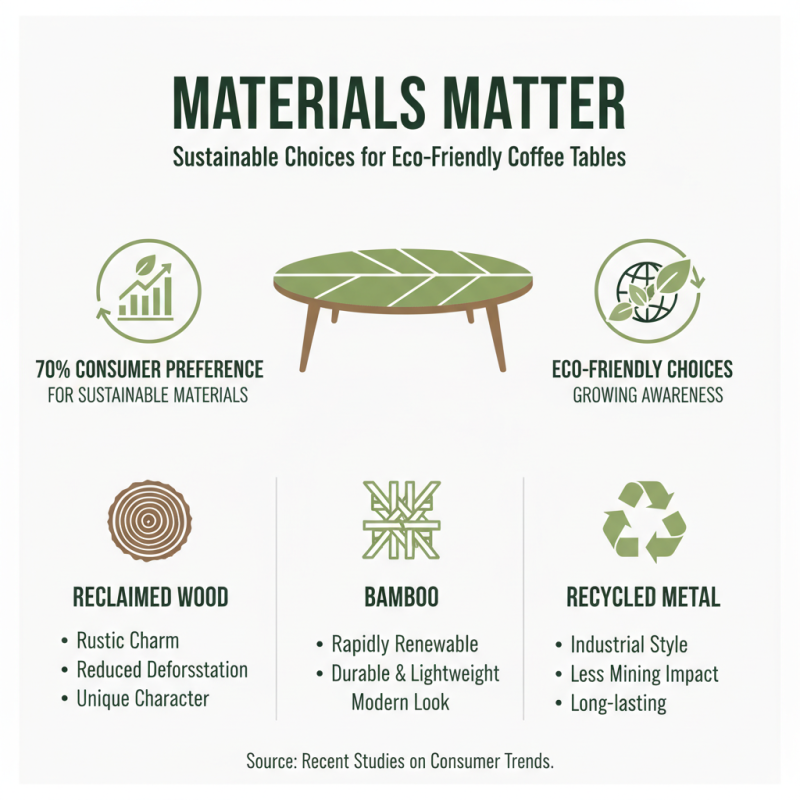
Natural materials are also significant in current trends. Materials like bamboo and recycled wood dominate the scene. A report from the American Home Furnishings Alliance states that 55% of consumers now prioritize sustainability in their choices. This shift has led to the popularity of eco-friendly finishes and textures that enhance modern aesthetics. Color palettes lean towards earthy tones, creating a warm atmosphere.
However, some trends are not without their critiques. For instance, while minimalist designs promote simplicity, they can sometimes feel stark and uninviting. Designers are working to counteract this by incorporating cozy elements, yet this balance remains challenging. Ultimately, the evolving coffee table market in 2026 encourages consumers to reflect on their values in both style and sustainability.
2026 Best Coffee Table Designs for Modern Living Spaces
| Design Style |
Material |
Key Features |
Color Palette |
Size (inches) |
| Mid-Century Modern |
Wood |
Sleek lines, tapered legs |
Warm woods, muted tones |
48 x 24 |
| Industrial |
Metal, Glass |
Raw finishes, minimalist |
Greys, blacks |
42 x 24 |
| Scandinavian |
Light Wood |
Functional, airy design |
White, pastels |
44 x 28 |
| Bohemian |
Mixed Materials |
Eclectic, textured |
Vibrant colors, earth tones |
30 x 30 |
| Contemporary |
Acrylic, Marble |
Bold shapes, high gloss |
Black, White, Metallics |
50 x 30 |
Functionality Meets Style: Multi-Purpose Coffee Tables for Small Spaces
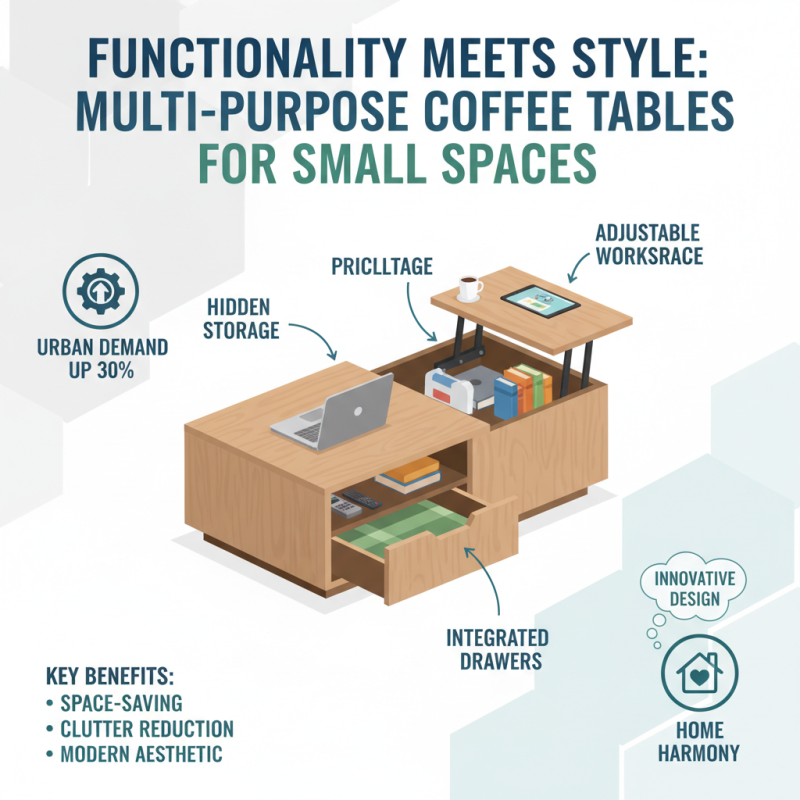
In modern living spaces, multi-purpose coffee tables have become essential. According to a recent market report, the demand for functional furniture has surged by 30% in urban areas. This shift highlights the need for innovative designs that blend style and practicality. Multi-purpose tables serve as artful focal points while providing storage and utility.
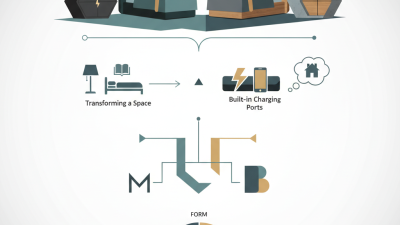
For small spaces, these coffee tables often transform to meet various needs. Some designs include built-in storage, foldable components, or extendable surfaces. The average coffee table now measures between 34 to 48 inches in length, accommodating both aesthetic and spatial considerations. A research study found that 70% of homeowners prioritize functionality in their furniture choices. This trend emphasizes the importance of thoughtful design that fits seamlessly into everyday life.
However, it's crucial to consider individual preferences and lifestyle. Some tables may be too bulky or lack adequate storage. Finding the right balance between style and functionality can be challenging. Interior designers recommend assessing your specific needs before making a purchase. Thoughtful selection ensures that your coffee table enhances your living space rather than detracts from it.
Color Palettes and Finishes: Influencing Modern Living Room Design
Color palettes and finishes play a vital role in modern living room design. They can make or break the atmosphere of your space. A well-thought-out color scheme offers warmth and invites comfort. Bright colors can energize a room, while muted tones bring serenity. The key is balance; too many contrasting shades may overwhelm the senses.
Finishes also add depth to coffee table designs. A glossy finish reflects light and can make a small space appear larger. In contrast, matte surfaces feel more grounded and cozy, creating an intimate vibe. Textures matter, too. The feel of reclaimed wood against smooth glass can spark interesting conversations. Choosing the right materials can enhance the aesthetic and function of your coffee table.
Sometimes, the perfect combination eludes us. A finish may not pair well with your existing furniture. A color may clash with wall paint. These mismatches are opportunities to rethink your approach. Experimentation is crucial in design, allowing for creativity and refinement. Embrace the imperfections and let them guide your choices for a truly modern living space.
Sizing and Proportions: Finding the Perfect Coffee Table for Your Room
Choosing the right coffee table for your living space involves careful consideration of size and proportions. A coffee table should complement your seating arrangement. It should maintain a balance with your sofa and chairs. The height is key—ideally, it should match the seat height of your couches. A table that is too low or high can disrupt the flow of your room.
Width matters as well. An overly wide table may overcrowd the space. Aim for 18 inches of space between the table and seating. This ensures comfort while reaching for snacks or drinks. If the table surpasses this, it can create barriers. Conversely, a table that is too small may lack functionality.
Don't forget about shape. Round tables can soften sharp angles in a room. They are also great for smaller spaces. However, a rectangular table might suit a longer seating arrangement better. Each shape brings its own challenges. Reflect on what fits best in your living area, while also enhancing your lifestyle.