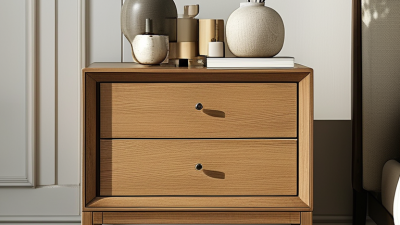
What Are the Benefits of Using a Floating Nightstand?
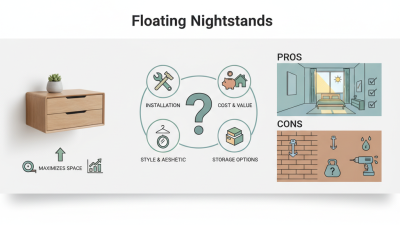
The trend of using a Floating Nightstand is gaining momentum in modern interior design. According to a recent report from the Home Furnishings Association, 63% of consumers prefer furniture that maximizes floor space. The Floating Nightstand addresses this need by providing both function and style. This innovative piece appears to “float,” creating an airy feel in any bedroom.
Expert designer Robert Jenkins emphasizes the practicality of this furniture choice. He states, “A Floating Nightstand not only saves space but also enhances the overall aesthetic of a room.” This versatility is appealing to urban dwellers with limited square footage. However, the installation can pose challenges. Ensuring it is securely mounted requires careful consideration of wall studs and materials.
Additionally, while Floating Nightstands look minimalistic, they can lead to overcrowding if not managed well. Homeowners must be mindful of their accessory choices to avoid clutter. By choosing the right items, they can create a harmonious balance. The advantages of Floating Nightstands are clear, but thoughtful planning is essential for optimal results.
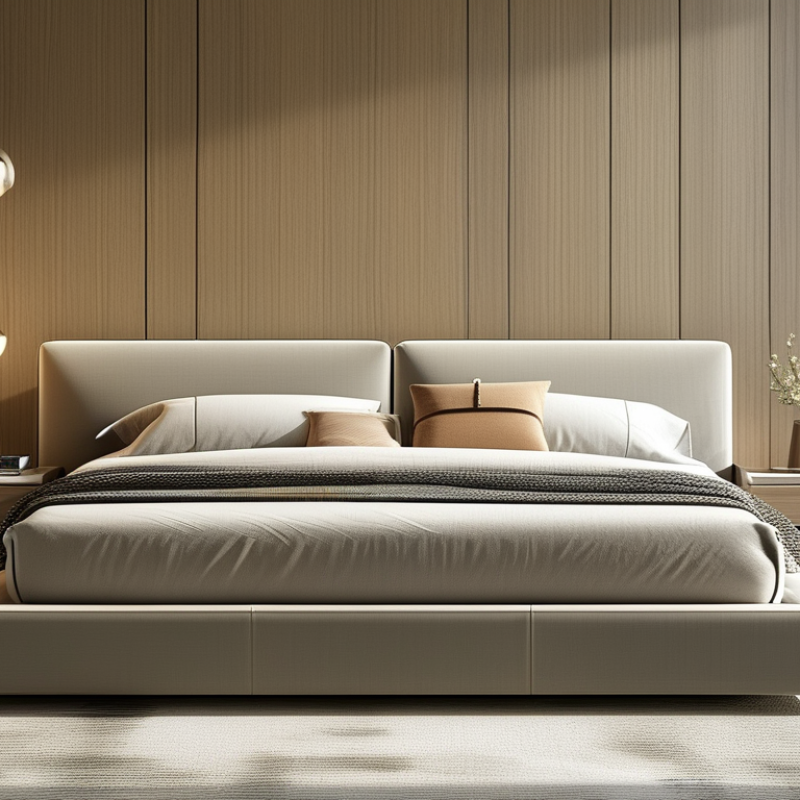
Benefits of Floating Nightstands: Space-Saving Solutions for Modern Homes
Floating nightstands are revolutionizing how we utilize space in modern homes. They are designed to attach directly to the wall, eliminating bulky furniture legs. This design not only maximizes floor space but also creates an illusion of a larger room. According to a recent report by the National Association of Home Builders, such space-saving solutions are increasingly popular among urban dwellers with limited square footage.
Using a floating nightstand can enhance both aesthetics and functionality in any bedroom. These fixtures often come in sleek, minimalist designs that complement contemporary decor. A survey by the American Institute of Architects indicated that 42% of respondents prioritize open and airy spaces in their homes. Additionally, floating nightstands provide a practical way to keep essential items within reach while maintaining a clutter-free environment.
However, it's essential to consider the installation process. Improperly mounted nightstands may lead to safety concerns. Moreover, not all designs support heavy items. A careful assessment of weight capacity and wall material is crucial before installation. Reflecting on these factors can help homeowners make informed decisions that align with their needs and living space.
Maximizing Small Bedrooms with Floating Nightstands: A Practical Approach
Floating nightstands are becoming a
go-to solution for maximizing small bedrooms. They create
an illusion of space while providing essential functionality. According to a recent study from the
National Sleep Foundation, optimizing bedroom design
can enhance sleep quality by 30%. This
makes floating nightstands not just stylish, but a practical choice for compact areas.
One key advantage is that floating nightstands free up floor space.
This is crucial in smaller rooms where every inch counts. Without bulky legs, the area beneath feels
less cramped. Research indicates that clear floor space can lead to
increased feelings of openness and relaxation.
Projects from interior designers show an increase in perceived space when using floating furniture.
Tips for choosing the right floating nightstand include considering height
and storage needs. Ensure it's at a comfortable reach while in bed.
Also, make use of vertical space with shelves above it. This creates a harmonious look and doesn't
overwhelm the room. Remember, a well-organized bedside is not just aesthetic; it speaks to your
personality and habits.
Floating Nightstands and Aesthetic Appeal: Enhancing Room Design
Floating nightstands are more than just functional furniture; they elevate the aesthetic appeal of any bedroom. Their minimalistic design provides an uncluttered look that can make a room feel larger and more airy. According to a report by the National Association of Home Builders, 75% of home buyers prioritize open space. Floating nightstands align with this demand, offering storage without bulky furniture, allowing for a harmonious flow throughout the room.
In addition, these nightstands provide an opportunity for creative expression. You can customize them with various finishes and colors to reflect your personal style. Reports indicate that homes with personalized decor can sell for up to 10% more than those with standard designs. This highlights the importance of aesthetic appeal in real estate, making floating nightstands a smart choice for homeowners looking to enhance their space.
Tip: When choosing a floating nightstand, consider the wall color and overall bedroom theme. This helps create a cohesive design.
Ensure that the height of the nightstand complements your bed. A poorly positioned nightstand can disrupt the visual flow.
Experiment with different mounting heights to find the best fit. The right nightstand can easily become a conversation piece, bringing character to your space.
The Impact of Floating Nightstands on Routine: Accessibility and Functionality
Floating nightstands are more than just stylish decor; they revolutionize bedroom routines. Their elevated design optimizes floor space, making small rooms feel larger. According to a study by the National Sleep Foundation, a clutter-free environment promotes better sleep. This applies to the use of floating nightstands, which reduce visual clutter and enhance accessibility. Items placed within arm’s reach create a streamlined experience, improving nighttime routines.
Functionality is key when considering the impact of floating nightstands. Research from the American Furniture Association indicates that consumers increasingly prefer multifunctional furniture. Floating nightstands often include built-in charging stations and shelving. These features allow users to efficiently manage their nighttime essentials. However, one potential drawback is the limited storage space. Users might find themselves overstuffing the nightstand for convenience, which can lead to quicker disorganization.
The ease of access to belongings during late-night hours is undeniable. A floating nightstand ensures items like books, lamps, and phones are always within reach. However, some may struggle with positioning, needing to balance aesthetics and functionality. Reflection on personal space and how we utilize it can lead to improved organization in our routines.
Sustainability in Furniture: Eco-friendly Materials in Floating Nightstands
Floating nightstands are becoming popular for their modern aesthetic and functional design. However, their sustainability often goes unnoticed. When creating such furniture, eco-friendly materials play a crucial role. Many manufacturers now prioritize using reclaimed wood, bamboo, or recycled metal. These materials reduce the carbon footprint and promote responsible sourcing.
Using sustainable materials does come with challenges. Sourcing reclaimed wood can be labor-intensive. Sometimes, the quality may not meet expectations due to previous wear and tear. Bamboo grows rapidly, but ensuring it is harvested sustainably requires careful monitoring. Consumers should inquire about material sourcing to make informed choices.
Design is also impacted by sustainability. A floating nightstand must balance aesthetics and environmental responsibility. Minimal designs often use fewer materials, which can be a win for the planet. However, this simplicity may not meet everyone's storage needs. A successful floating nightstand combines style with practicality, highlighting the importance of thoughtful design choices.