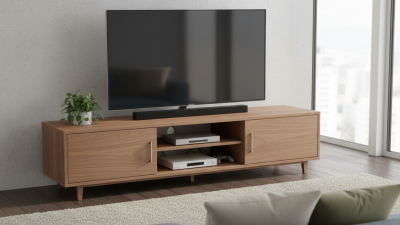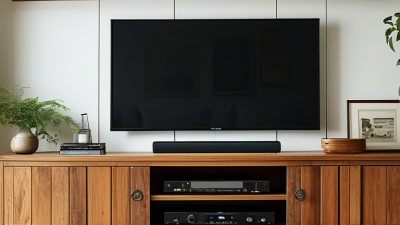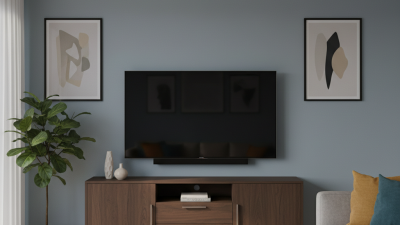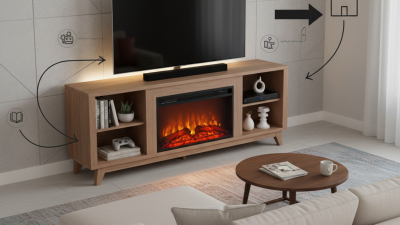
The 2026 Tv Cabinet market is moving beyond simple television storage. It now responds to smaller rooms, larger screens, concealed cables, and connected living. Deloitte’s 2024 Digital Media Trends report found that smart TVs remain central to home entertainment, while Circana’s furniture research continues to show cautious consumer spending and stronger interest in practical value. These findings point toward cabinets that work harder, last longer, and occupy less visual space.
Interior designer Bobby Berk has said, “Your home should rise up to greet you.” That principle fits the next generation of Tv Cabinet design. Buyers increasingly want warm wood finishes, fluted doors, rounded corners, adjustable shelving, and ventilation for streaming devices. Matte walnut may replace glossy white in many interiors. Slim wall-mounted units will also gain attention, especially in apartments where every centimetre matters.
Small details matter.
A 2026 cabinet may hide a soundbar behind acoustic fabric, manage six cables through one rear channel, and include ventilation slots that prevent heat buildup. Recycled panels and repairable hardware should become more visible, supported by circular-design discussions from the Ellen MacArthur Foundation and sustainability guidance from the Sustainable Furnishings Council. Yet the trend is not perfectly clear. Some “eco” materials still lack transparent sourcing, and premium styling can increase costs sharply. Buyers should question vague claims.
The strongest designs will balance appearance, durability, technology, and honest documentation. A beautiful Tv Cabinet is useful. It should also remain adaptable when the next screen becomes thinner, larger, or entirely different.
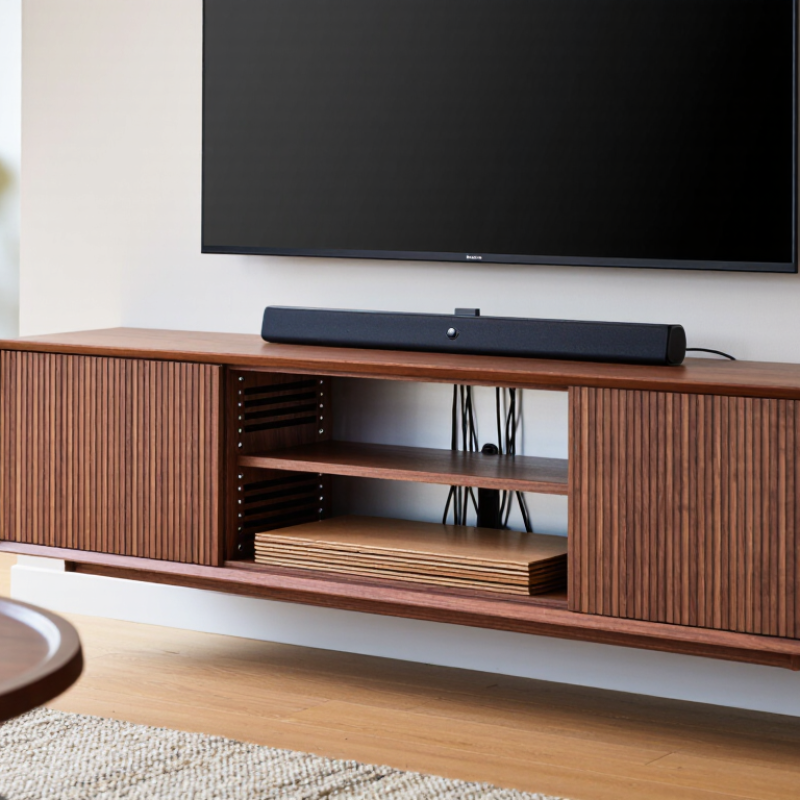
A modern TV cabinet in 2026 does more than hold a screen. It manages technology, storage, airflow, and daily movement. In recent room planning, low-profile cabinets remain popular because they keep the viewing wall visually calm. A height between 45 and 60 centimeters often supports comfortable eye level, depending on the sofa.
Clean cable management now matters as much as appearance. Rear channels, removable panels, and ventilated compartments prevent tangled wires and trapped heat. Devices need breathing space.
Sliding doors can hide controllers, routers, and game systems, but solid panels may weaken remote signals. Perforated fronts or open sections offer a practical compromise. Soft-close hinges also reduce noise in smaller homes.
Materials are becoming more tactile and responsible. Textured wood grain, recycled composite panels, matte surfaces, and repairable hardware add character without excessive decoration.
Modular units help homeowners adjust storage after moving or changing equipment. I have seen beautiful cabinets fail because their shelves could not fit a soundbar or a tall console. That mistake is easy to overlook.
Not every modern cabinet needs hidden technology. Open shelving can make frequently used equipment easier to reach. Rounded corners may improve safety in busy living spaces, especially near children.
Cable openings should align with real socket positions, not showroom symmetry. I still question ultra-minimal designs that sacrifice ventilation for a seamless image.
A cabinet should look quiet, but it must work hard.
What Are the 2026 Top TV Cabinet Trends?
In 2026, TV cabinets are becoming quieter, warmer, and more architectural. Wood veneer remains strong, especially oak, walnut, and smoked ash. Its visible grain adds depth without making a room feel crowded. Grand View Research’s furniture-market analysis projects continued global growth through 2030, supporting demand for durable, design-led storage rather than disposable pieces.
Warm finishes are gaining attention. Expect matte clay, mushroom, sand, and muted olive alongside natural wood. High-gloss surfaces are losing appeal because fingerprints and screen reflections quickly become visible. I have found that a low-sheen finish looks better under evening lighting, although it can show dust more clearly. That detail is easy to overlook.
Material choices are also becoming more practical. Recycled wood composites, bamboo panels, and water-based coatings are appearing more often in industry sustainability assessments. The Ellen MacArthur Foundation reports that circular design can reduce material waste through repair, reuse, and longer product life. For TV cabinets, this means replaceable doors, accessible hinges, and modular shelving may matter as much as appearance. Metal mesh can improve ventilation, while fluted doors hide routers and cables without blocking access. Not every trend deserves adoption. A beautiful cabinet still fails when cables remain exposed or ventilation is restricted.
A practical comparison of leading material, finish, performance, and design directions for TV cabinets in 2026.
| Material / Construction | Trending Finish in 2026 | Typical Visual Effect | Key Performance Data | Sustainability Consideration | Maintenance Level | Best Design Application | 2026 Trend Outlook |
|---|---|---|---|---|---|---|---|
| Wood Veneer over Engineered Board | Natural oak, walnut, smoked wood, and low-sheen matte lacquer | Warm, authentic, and architectural with visible grain | Typical thickness: 16–25 mm Stable panel construction helps reduce movement compared with solid timber |
Look for responsibly sourced veneer and low-emission board products | Low to moderate; use a soft dry cloth and avoid standing moisture | Japandi, contemporary, transitional, and warm minimalist interiors | High |
| Textured MDF or HDF | Fluted, ribbed, slatted, or three-dimensional painted surfaces | Strong tactile interest without adding visual clutter | Common board density: approximately 600–850 kg/m³ Consistent surface suitable for routed detailing |
Efficient use of wood fiber; select low-formaldehyde or certified low-emission boards | Moderate; grooves may collect dust and require regular vacuuming | Feature walls, media consoles, and tone-on-tone interiors | High |
| Recycled or Reclaimed Wood | Brushed, lightly distressed, natural oil, and water-based clear finishes | Distinctive grain, visible character, and an handcrafted appearance | Surface hardness varies by species and previous use Each panel may show natural variation |
Can reduce demand for newly harvested timber when traceability is documented | Moderate; oil finishes may need periodic renewal | Organic modern, rustic contemporary, and biophilic rooms | Growing |
| Painted Engineered Wood | Warm white, clay, olive, charcoal, muted blue, and satin neutrals | Clean, calm, and visually integrated with surrounding cabinetry | Typical finish sheen: matte to satin Uniform color supports coordinated room schemes |
Water-based coatings can reduce solvent emissions compared with solvent-heavy systems | Low; clean with a damp microfiber cloth and mild detergent | Small spaces, built-in storage, and color-coordinated media walls | High |
| Laminate or High-Pressure Laminate | Stone-look, wood-look, soft-touch matte, and ultra-matte finishes | Consistent, practical, and available in many decorative patterns | Typical HPL thickness: approximately 0.7–1.2 mm Good resistance to everyday abrasion and staining |
Long service life can reduce replacement frequency; recycled content depends on specification | Low; generally easy to wipe clean | Family rooms, rental properties, compact apartments, and high-use areas | Steady |
| Sintered Stone or Porcelain Surface | Bookmatched marble, travertine, limestone, and soft mineral patterns | Luxury appearance with a cool, seamless, monolithic character | Typical slab thickness: approximately 6–12 mm Low porosity and strong resistance to heat and scratching |
Durability can support long-term use; production and transport require significant energy | Low; wipe spills promptly and avoid impact on exposed edges | Luxury media walls, floating consoles, and minimalist interiors | High |
| Natural Stone | Honed limestone, travertine, soapstone, and softly veined marble | Organic variation and a premium, furniture-like presence | Typical top thickness: approximately 20–30 mm Weight and porosity vary significantly by stone type |
Highly durable when responsibly quarried; local sourcing can reduce transport impact | Moderate; porous stones may require sealing and careful spill management | Statement consoles and restrained luxury interiors | Growing |
| Rattan, Cane, or Woven Inserts | Natural honey tones, dark-stained cane, and fine-grid woven panels | Lightweight, breathable, and visually softer than solid doors | Suitable primarily for door and drawer fronts Requires protection from prolonged high humidity and direct sunlight |
Plant-based materials can reduce reliance on fully solid panels when responsibly harvested | Moderate; dust woven surfaces gently and avoid excess moisture | Coastal, bohemian, organic modern, and vintage-inspired rooms | Growing |
| Fluted or Reeded Glass | Clear, smoked, bronze, and translucent textured glass | Filters visual clutter while allowing remote-control signal passage | Common safety-glass thickness: approximately 4–6 mm Texture partially conceals equipment without fully blocking visibility |
Glass is recyclable where suitable collection systems are available | Moderate; fingerprints and dust are more visible on dark tones | Contemporary cabinets, compact rooms, and concealed-media storage | High |
| Powder-Coated Steel or Aluminum | Matte black, warm bronze, brushed metal, and muted metallic tones | Precise, slim, and contemporary with a strong structural feel | Typical sheet or frame thickness: approximately 1–3 mm Metal supports narrow profiles and durable frames |
Metal is widely recyclable; recycled content varies by supplier and alloy | Low; use a soft cloth and avoid abrasive cleaners | Industrial, ultra-modern, modular, and wall-mounted designs | Steady |
| Mixed-Material Construction | Wood plus stone, wood plus fluted glass, or matte color plus metal accents | Layered, personalized, and visually balanced | Performance depends on the weakest component Allows separate optimization of structure, storage, and surface finish |
Can combine durable surfaces with renewable or recycled components | Moderate; different surfaces require different cleaning methods | Custom interiors, premium apartments, and multifunctional media walls | High |
Note: Dimensions and performance figures are typical specification ranges and can vary by material grade, manufacturer, construction method, and installation conditions. Trend ratings indicate design relevance for 2026 rather than market-share measurements.
Smart storage is reshaping the 2026 TV cabinet from a simple stand into a compact media system. Deloitte’s 19th Digital Media Trends report found that 54% of consumers regularly use free, ad-supported streaming services. That shift creates more remotes, streaming devices, headphones, and controllers. Cabinets now need dedicated drawers, cable channels, and ventilated compartments.
In practical installations, adjustable shelves matter more than decorative symmetry. A sliding rear panel can hide power strips without blocking airflow. Soft-close drawers protect small electronics from dust and accidental impact.
The Consumer Technology Association’s 2025 U.S. Consumer Technology Ownership Study reported that 78% of households owned a television. This wide ownership base encourages flexible furniture, especially designs supporting different screen sizes and connected devices.
Smart features should remain quiet and useful. Built-in charging docks can reduce cable clutter, while motion-activated lighting helps users find controls in dark rooms. However, integrated technology can age quickly. A cabinet designed around one connector may feel outdated within several years. I have also seen overly sealed compartments trap heat around streaming equipment. Better designs use replaceable panels, open ventilation slots, and standard cable routes. The 2024 Global E-waste Monitor recorded 62 million tonnes of electronic waste worldwide in 2022. Durable, repairable cabinets therefore deserve more attention than novelty features.
In 2026, TV cabinets are becoming more adaptable to real room layouts. A long, low cabinet suits open-plan living rooms with wide viewing walls. Its horizontal shape makes the room feel calmer and less crowded. Choose closed storage for cables, game equipment, and children’s items. Keep the cabinet slightly wider than the screen for better visual balance.
Small rooms need lighter solutions. A wall-mounted cabinet leaves floor space visible, making the room feel larger. Floating drawers work well beneath a wall-mounted television. In narrow rooms, select a shallow cabinet with sliding doors. Avoid deep furniture near walkways. I once chose a cabinet that looked attractive but blocked a door swing. Measurements matter more than photographs. Corner layouts may benefit from a compact angled cabinet, although these designs can reduce storage capacity.
Tips: Measure the wall, viewing distance, door clearance, and power outlet positions first. Leave ventilation space around electronic equipment. Use open shelving carefully; it quickly collects dust and visual clutter. For renters, freestanding cabinets offer flexibility without permanent wall changes. Warm wood tones can soften large rooms, while pale finishes help tight spaces feel brighter. Review your storage habits honestly. A stylish cabinet may fail if everyday items have nowhere to go.
A future-ready TV cabinet should adapt to changing technology, not merely frame today’s screen. In recent room planning, I have found that flexible storage matters more than decorative doors. Choose a unit with adjustable shelves, removable rear panels, and at least two cable routes. These details make upgrades less disruptive. Measure the television, sound equipment, wall, and walking clearance before buying. Measure twice. Small errors become expensive later.
Prioritize ventilation around media players and game consoles. Warm air trapped behind a closed cabinet can shorten equipment life. Slatted doors or discreet ventilation gaps offer a practical solution. Look for strong, level construction, rounded edges, and secure wall anchoring, especially in homes with children or pets. A cabinet around 45 to 60 centimeters high usually supports comfortable viewing, but seating height should decide the final measurement. Comfort beats fashion.
Materials deserve equal attention in 2026. Certified wood, recycled panels, low-emission finishes, and repairable hardware can reduce waste, but labels should be verified through credible documentation. Check hinge quality, load ratings, replacement parts, and cleaning instructions. Smart features may be useful, yet built-in charging ports can become obsolete. A simple removable power module may age better. I still make one mistake: choosing appearance too quickly. A cabinet that looks perfect in a showroom may feel bulky beside a real sofa. Bring room measurements, outlet positions, and a paper screen template before deciding.